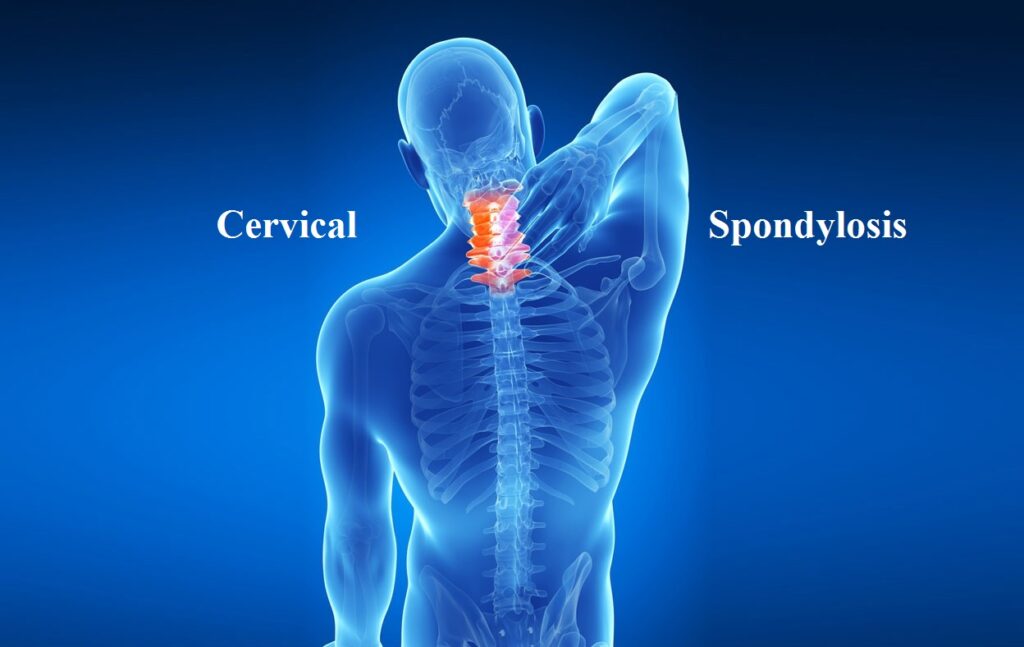
The cervical spine plays a crucial role in supporting the head, protecting the spinal cord, and allowing smooth movement of the neck. When problems occur in this area, they can significantly affect daily life, causing discomfort, limited mobility, and even nerve-related symptoms. Many people ignore early warning signs of cervical spine problems , assuming the pain or stiffness will disappear on its own. However, early detection and proper treatment can prevent the condition from worsening. At 5 Star Clinic Ltd, specialists often see patients who could have avoided severe pain if they had recognised the early symptoms sooner.
Below are seven early signs of cervical spine problems that you should never ignore.
- Persistent Neck Pain
One of the most common and early signs of cervical spine problems is persistent neck pain. While occasional discomfort may occur due to poor posture or sleeping positions, ongoing pain that lasts for several days or weeks could indicate an underlying issue.
Cervical spine pain may be caused by:
- Muscle strain
- Cervical disc degeneration
- Herniated discs
- Poor posture from prolonged screen use
If the pain becomes worse when moving the neck or turning the head, it may suggest inflammation or structural problems within the cervical spine. Seeking professional evaluation early can help prevent long-term complications.
- Stiffness and Reduced Neck Mobility
Do you find it difficult to turn your head fully while driving or looking over your shoulder? Neck stiffness and reduced mobility are early warning signs of cervical spine dysfunction.
When the joints or discs in the neck become inflamed or degenerated, movement can become restricted. People may experience:
- Difficulty turning the head left or right
- Limited ability to tilt the head forward or backward
- Tightness around the neck and shoulders
Ignoring this stiffness can gradually lead to worsening mobility issues. Physiotherapy and targeted treatment at 5 Star Clinic Ltd can help restore flexibility and improve neck function.
- Frequent Headaches
Another early sign of cervical spine problems is frequent headaches, particularly those that start at the base of the skull and spread towards the forehead.
These headaches, often called cervicogenic headaches, occur when neck structures such as muscles, joints, or nerves become irritated. Poor posture, long hours at a desk, or underlying spinal conditions can trigger them.
Common symptoms include:
- Pain starting from the back of the head
- Headaches that worsen with neck movement
- Tightness in the neck and upper shoulders
Addressing cervical spine issues can significantly reduce the frequency and intensity of these headaches.
- Tingling or Numbness in the Arms or Hands
The cervical spine contains nerves that travel from the neck to the shoulders, arms, and hands. When these nerves become compressed or irritated, it can cause tingling, numbness, or a “pins and needles” sensation.
This symptom is often linked to conditions such as:
- Cervical disc herniation
- Nerve compression
- Degenerative cervical spine disease
If you experience tingling that spreads down the arm or into the fingers, it may indicate nerve involvement and should not be ignored. Early assessment at 5 Star Clinic Ltd can help identify the cause and provide effective treatment.
- Shoulder or Upper Back Pain
Many people assume shoulder pain is caused by muscle strain, but it can actually originate from the cervical spine. When spinal nerves become irritated, the pain may radiate into the shoulders or upper back.
Symptoms may include:
- Dull aching in the shoulder
- Pain between the shoulder blades
- Discomfort that worsens with neck movement
Treating the root cause within the cervical spine can relieve these symptoms and prevent chronic pain.
- Weakness in the Arms
Another concerning early sign of cervical spine problems is muscle weakness in the arms or hands. When nerves are compressed in the neck, they may not properly transmit signals to the muscles.
You may notice:
- Difficulty lifting objects
- Reduced grip strength
- Feeling that one arm is weaker than the other
This symptom should be taken seriously because prolonged nerve compression can lead to permanent damage if left untreated.
- Balance Issues or Dizziness
Although less common, balance problems or dizziness can sometimes be related to cervical spine issues. The neck plays an important role in maintaining body posture and coordination.
When cervical joints, muscles, or nerves are affected, it may disrupt signals sent to the brain about body positioning. This can result in:
- Feeling unsteady when walking
- Episodes of dizziness when moving the neck
- Difficulty maintaining balance
If these symptoms occur alongside neck pain or stiffness, it is important to seek professional assessment.
Common Causes of Cervical Spine Problems
Understanding the causes of cervical spine issues can help prevent them. Some of the most common causes include:
- Poor posture while using computers or smartphones
- Prolonged sitting or desk work
- Injuries such as whiplash
- Age-related degeneration of spinal discs
- Lack of physical activity or weak neck muscles
Modern lifestyles, particularly long hours spent looking down at devices, have increased the number of people experiencing cervical spine problems.
When Should You See a Specialist?
If you experience any of the symptoms mentioned above for more than a few days, it is advisable to consult a healthcare professional. Early intervention can prevent minor problems from developing into serious conditions.
Seek professional help immediately if you experience:
- Severe or worsening neck pain
- Numbness spreading to the arms or hands
- Weakness in the limbs
- Persistent headaches related to neck movement
Specialists can perform a proper assessment and recommend treatments such as physiotherapy, posture correction, and manual therapy.
How Physiotherapy Can Help
Physiotherapy is one of the most effective non-surgical treatments for cervical spine problems. Treatment focuses on reducing pain, improving mobility, and strengthening the neck muscles.
Common physiotherapy approaches include:
- Manual therapy techniques
- Posture correction exercises
- Neck strengthening programmes
- Stretching routines to improve flexibility
- Education on proper ergonomics
At 5 Star Clinic Ltd, experienced physiotherapists create personalised treatment plans designed to address the root cause of cervical spine issues and help patients regain normal function.
Final Thoughts
Ignoring the early signs of cervical spine problems can lead to chronic pain, nerve damage, and reduced quality of life. Symptoms such as persistent neck pain, stiffness, headaches, numbness in the arms, and muscle weakness should never be overlooked.
Recognising these warning signs early allows you to take proactive steps toward recovery. If you are experiencing any of these symptoms, seeking professional care can make a significant difference.
At 5 Star Clinic Ltd, patients receive expert assessment and tailored physiotherapy treatments aimed at relieving pain, restoring mobility, and improving overall spinal health. Early care can help you maintain a healthy neck and prevent long-term complications.
FAQs
- What are the most common symptoms of cervical spine problems?
Common symptoms include neck pain, stiffness, headaches, numbness in the arms, and reduced neck mobility.
- Can poor posture cause cervical spine issues?
Yes, prolonged poor posture—especially when using computers or smartphones—can place excessive strain on the cervical spine and lead to pain or stiffness.
- Are cervical spine problems treatable without surgery?
In many cases, yes. Physiotherapy, exercise, posture correction, and manual therapy can effectively manage cervical spine problems without surgery.
- How long does recovery from cervical spine pain take?
Recovery time varies depending on the cause and severity, but many patients see improvement within a few weeks with proper physiotherapy treatment.
- Where can I get treatment for cervical spine pain in Preston?
You can visit 5 Star Clinic Ltd for professional physiotherapy and pain management treatments designed to address cervical spine issues and improve your quality of life.