xr:d:DAFpDuqD9gc:59,j:1686995143648089728,t:23072005
Sikkim, nestled in the Eastern Himalayas, is one of India’s richest biodiversity hotspots. The popular national parks in Sikkim are not just protected areas—they are living museums of Himalayan flora and fauna, offering travelers a chance to experience untouched wilderness, spiritual calm, and thrilling adventure.
Despite being the second smallest state in India, it is home to extraordinary ecosystems ranging from subtropical forests to alpine meadows.
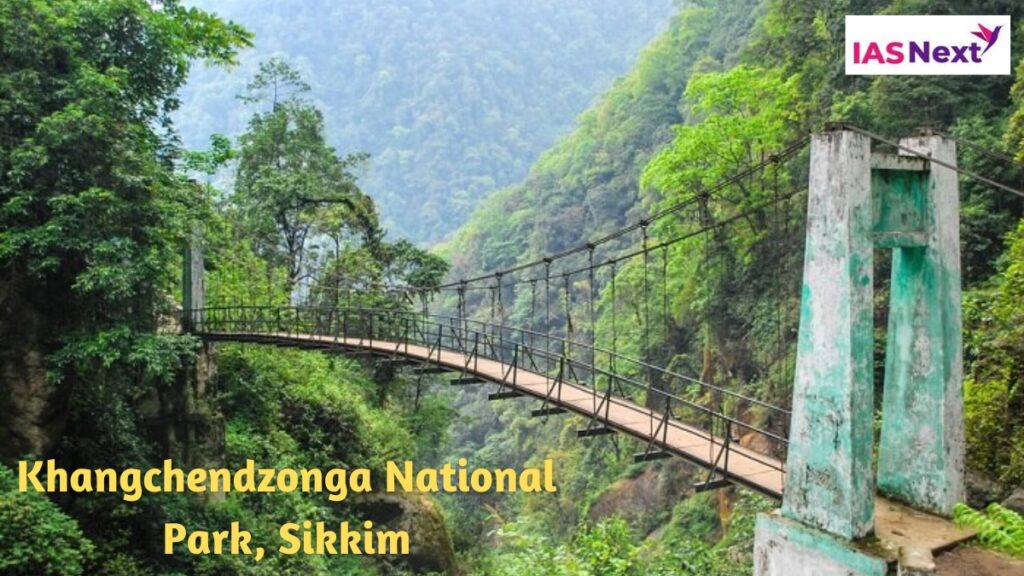
🏞️ Khangchendzonga National Park
- UNESCO World Heritage Site: Declared in 2016 as India’s first “Mixed Heritage” site.
- Location: North Sikkim, covering 1,784 sq km.
- Wildlife: Snow leopard, Himalayan tahr, musk deer, red panda, Tibetan wild ass.
- Flora: Temperate broadleaf forests, alpine meadows, rhododendrons, and conifers.
- Experience: Trekking routes like Dzongri and Goecha La offer breathtaking views of Mt. Kanchenjunga, the third-highest peak in the world.
- Cultural Significance: Sacred landscapes tied to Sikkimese folklore and Buddhist traditions.
🌸 Shingba Rhododendron Sanctuary
- Location: Lachung, North Sikkim.
- Flora: Over 40 species of rhododendrons bloom between April–July.
- Wildlife: Musk deer, Himalayan black bear, pheasants.
- Experience: A paradise for botanists and photographers, especially during spring.
🌳 Fambong Lho Wildlife Sanctuary
- Location: 20 km from Gangtok.
- Wildlife: Red panda, civets, barking deer, Himalayan black bear.
- Birds: Satyr tragopan, hill partridge, sunbirds.
- Experience: Ideal for short treks and birdwatching, accessible for families.
🏔️ Maenam Wildlife Sanctuary
- Location: South Sikkim near Ravangla.
- Wildlife: Red panda, leopard cat, civets, Himalayan black bear.
- Birds: Blood pheasant, magpies, sunbirds.
- Experience: Trekking to Maenam Peak offers panoramic views of the Teesta River and Kanchenjunga.
🌲 Kyongnosla Alpine Sanctuary
- Location: Near Tsomgo Lake, East Sikkim.
- Flora: Rare orchids, rhododendrons, medicinal plants.
- Wildlife: Red panda, Himalayan monal, musk deer.
- Experience: Accessible for tourists visiting Tsomgo Lake and Nathula Pass.
🌿 Pangolakha Wildlife Sanctuary
- Location: East Sikkim, connecting with Bhutan.
- Wildlife: Red panda, Himalayan black bear, leopard, barking deer.
- Birds: Great pied hornbill, Himalayan griffon, pheasants.
- Experience: Known for eco-tourism and village homestays.
🌺 Barsey Rhododendron Sanctuary
- Location: West Sikkim.
- Flora: Famous for rhododendron blooms in spring.
- Wildlife: Red panda, Himalayan langur, black bear.
- Experience: Trekking trails through rhododendron forests are popular among families and nature lovers.
🐾 Wildlife Highlights Across Parks
- Red Panda: State animal of Sikkim, found in Fambong Lho, Maenam, and Barsey.
- Snow Leopard: Rarely spotted in Khangchendzonga National Park.
- Birdlife: Over 550 species including hornbills, tragopans, Himalayan monals.
- Reptiles: Burmese python, mountain pit viper, lizards in lowland forests.
📍 Quick Comparison Table
| National Park / Sanctuary | Location | Famous For | Key Species |
| Khangchendzonga NP | North Sikkim | UNESCO site, trekking | Snow leopard, red panda |
| Shingba Sanctuary | Lachung | Rhododendron blooms | Musk deer, pheasants |
| Fambong Lho | Near Gangtok | Birdwatching | Red panda, black bear |
| Maenam Sanctuary | Ravangla | Trekking | Red panda, leopard cat |
| Kyongnosla Alpine | Near Tsomgo | Orchids, alpine flora | Musk deer, monal |
| Pangolakha Sanctuary | East Sikkim | Eco-tourism | Hornbill, black bear |
| Barsey Sanctuary | West Sikkim | Rhododendron forests | Red panda, langur |
🌍 Best Time to Visit
- March–May: Rhododendrons bloom, pleasant weather.
- October–December: Clear skies, ideal for trekking and wildlife spotting.
- Winter (Jan–Feb): Snowfall in high-altitude parks.
- Monsoon (Jun–Sep): Lush greenery but landslides may occur.
🎭 Activities in National Parks
- Trekking: Kanchenjunga NP, Maenam, and Barsey.
- Birdwatching: Fambong Lho and Pangolakha.
- Botanical Tours: Shingba and Kyongnosla.
- Eco-Tourism: Homestays near Pangolakha and Barsey.
🏨 Accommodation Options
- Luxury Resorts: Gangtok, Pelling, Lachung.
- Eco-Lodges: Near Barsey and Pangolakha.
- Homestays: Authentic Sikkimese hospitality in villages.
- Forest Rest Houses: Limited options in sanctuaries.
🚂 How to Reach
- By Air: Nearest airport is Pakyong (domestic) or Bagdogra (international).
- By Rail: NJP (New Jalpaiguri) is the nearest railway station.
- By Road: Well-connected by taxis and buses from Siliguri and Darjeeling.
🛍️ Shopping & Local Cuisine
- Handicrafts: Thangka paintings, woolen carpets, wooden masks.
- Tea: Temi Tea from South Sikkim.
- Cuisine: Momos, thukpa, fermented dishes like gundruk.
📝 Conclusion
The popular national parks in Sikkim are more than just protected areas—they are living museums of biodiversity. From the UNESCO-listed Khangchendzonga National Park to the rhododendron-rich Barsey Sanctuary, each destination offers unique experiences. Whether you are a trekker, a birdwatcher, or a family seeking eco-friendly holidays, Sikkim’s national parks promise unforgettable memories.
By exploring these parks, travelers not only witness rare species like the red panda and snow leopard but also contribute to conservation and sustainable tourism. Sikkim, with its national parks, truly embodies the harmony between nature and culture.