How a Sunglasses Factory Ensures UV Protection and Durability
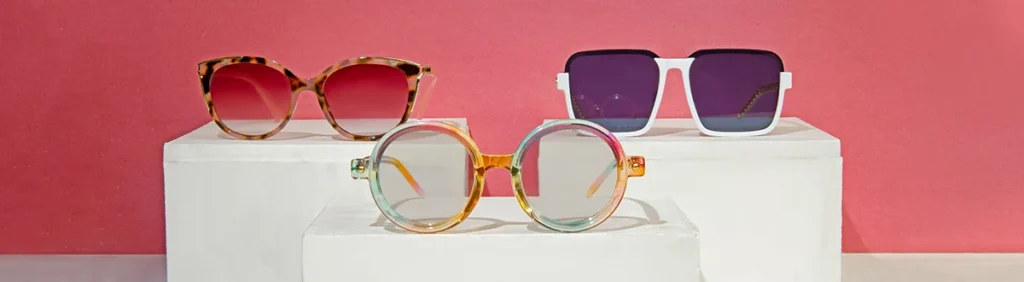
Sunglasses have evolved from being a simple fashion accessory to a vital tool for eye protection. Modern sunglasses are designed to block harmful ultraviolet (UV) rays, reduce glare, and provide durability for everyday use. Ensuring these qualities requires meticulous planning, advanced technology, and strict quality control procedures throughout the manufacturing process. A sunglasses factory integrates these measures to deliver products that are both safe and long-lasting.
UV protection and durability are two of the most critical factors that influence consumer satisfaction and eye health. A high-quality sunglasses product must block 99–100% of UVA and UVB rays while maintaining optical clarity. Durability, on the other hand, ensures that the sunglasses can withstand everyday wear, including accidental drops, exposure to sunlight, and repeated handling. In a modern Sunglasses Factory such as Sunglasses Factory, specialized procedures are followed to guarantee that both these attributes meet international standards, starting from material selection to final product testing.
Material Selection for UV Protection and Strength
The foundation of UV protection and durability lies in the selection of materials for both lenses and frames. Lenses are commonly made from polycarbonate, CR-39, or high-quality nylon. Polycarbonate is particularly valued for its natural UV-blocking properties and impact resistance, making it ideal for sports and outdoor sunglasses. CR-39 lenses offer excellent optical clarity and are lightweight, while nylon lenses are flexible and resistant to temperature changes.
Frames are typically constructed from materials such as acetate, metal alloys, or TR90, which is a thermoplastic polymer known for its strength and flexibility. The choice of frame material directly impacts durability, weight, and comfort. Before production begins, all raw materials are tested for structural integrity, uniformity, and the ability to endure stress, ensuring that the final sunglasses will perform reliably over time.
Lens Manufacturing and Coating Techniques
Once materials are approved, lens production involves precise molding, cutting, and coating procedures. Lenses are shaped using computer-controlled machines that maintain strict dimensional tolerances. Optical quality is verified at this stage to prevent distortions or imperfections that could compromise vision.
UV protection is enhanced through specialized coatings applied to the lenses. Modern sunglasses include multilayer treatments that block harmful UVA and UVB radiation while maintaining light transmission for visual comfort. Anti-reflective coatings and polarization layers are often added to reduce glare from reflective surfaces like water or roads. These coatings are applied in controlled environments to ensure even coverage and long-lasting protection.
Frame Manufacturing and Reinforcement
Frames must complement the durability of lenses by providing structural support and flexibility. Plastic frames are often injection-molded or cut from acetate sheets, then polished and treated for resistance against heat and environmental stress. Metal frames undergo processes like stamping, welding, and electroplating to strengthen joints and prevent corrosion. High-quality hinges and screws are used to enhance frame longevity, allowing temples to open and close repeatedly without loosening.
Some sunglasses are reinforced with flexible materials at stress points to withstand bending or accidental drops. The combination of strong materials, precision engineering, and careful assembly ensures that the frames can endure everyday use while maintaining their shape and comfort.
Quality Control and Testing for UV Protection
Quality control plays a central role in verifying UV protection. Lenses are tested in laboratories using spectrophotometers, which measure the amount of UV light blocked by the lens. Any lens that fails to meet the UV400 standard, which blocks 99–100% of UVA and UVB rays, is rejected. Polarized and photochromic lenses also undergo additional tests to ensure consistent performance across different lighting conditions.
Frames and hinges are subjected to stress tests to simulate real-world wear and tear. Drop tests, hinge opening and closing cycles, and exposure to heat and humidity help manufacturers identify potential weak points. Products that pass these rigorous tests are deemed durable and safe for consumer use.
Final Assembly and Inspection
During final assembly, lenses are carefully fitted into frames, and all components are checked for alignment, stability, and aesthetics. Technicians ensure that lenses sit securely without gaps and that frames are symmetrical. Each pair of sunglasses is then inspected for scratches, defects, or inconsistencies. Packaging and labeling include information on UV protection and care instructions, emphasizing the product’s safety and durability.
Continuous Improvement and Compliance
A modern sunglasses factory continually updates its production techniques and testing protocols to maintain high standards. Feedback from customers, market research, and regulatory changes are analyzed to improve UV protection and frame durability. Compliance with international certifications, such as ISO and ANSI, ensures that products consistently meet global safety standards.
By focusing on material quality, precision manufacturing, advanced coatings, and rigorous testing, sunglasses factories deliver eyewear that not only looks stylish but also provides essential protection and long-lasting durability. These practices guarantee that consumers can enjoy reliable eye protection and comfort in a wide range of environments.