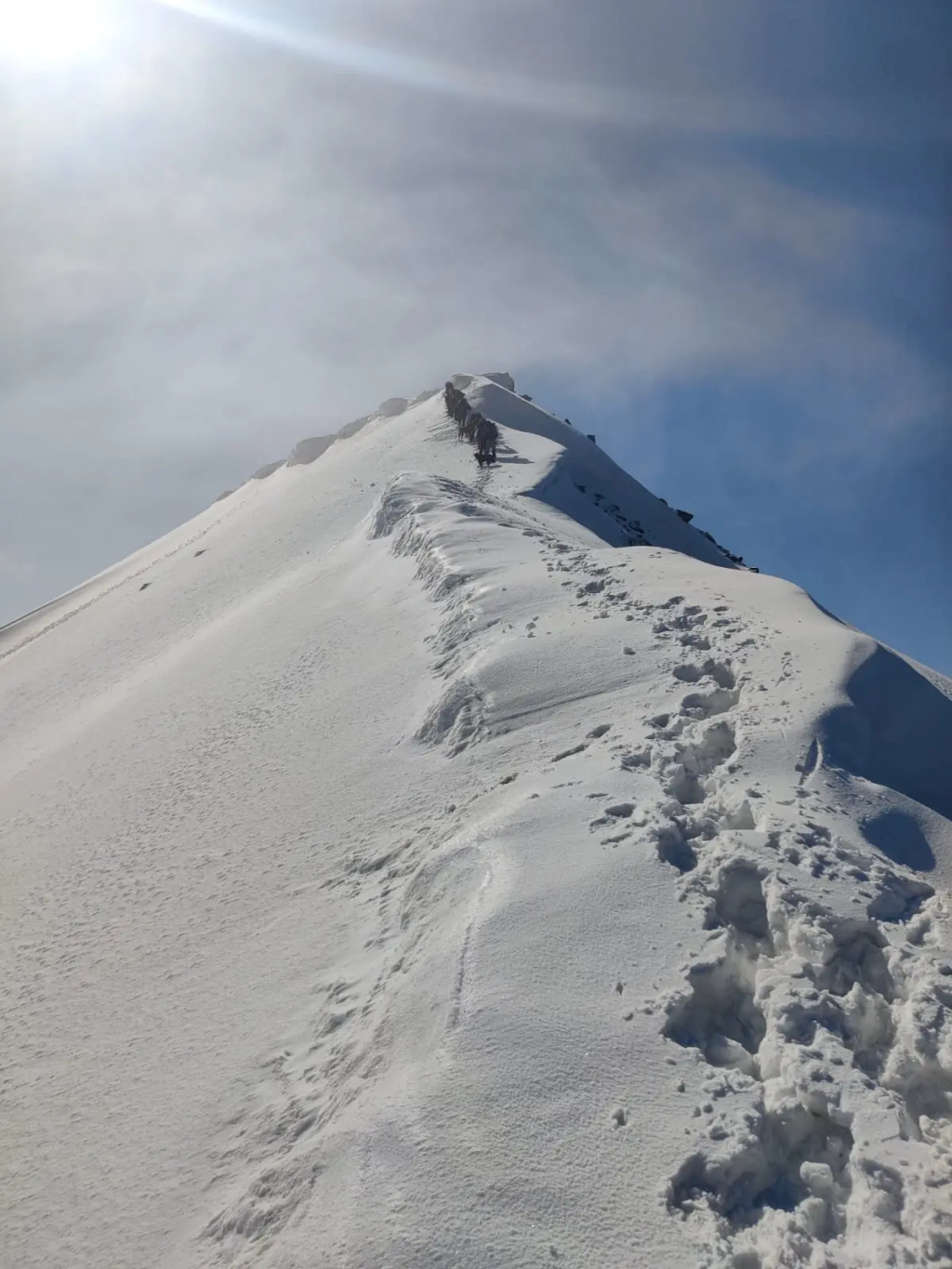
The call of the high Himalayas is unmistakable, and few trails answer it as powerfully as the Bali Pass Trek. This isn’t just a walk; it’s a journey through myth, rugged terrain, and soul-stirring vistas that separate the casual hiker from the dedicated adventurer. Connecting the lush Har Ki Dun valley with the spiritual realm of Yamunotri, the Bali Pass is a legendary traverse that demands respect and preparation.
At Himalayan Daredevils, we’ve guided countless explorers across this magnificent pass. We believe in empowering trekkers with knowledge, which is why we’ve created this definitive guide covering every crucial aspect—from the daunting Bali Pass Trek distance to the technical challenges—to help you plan your journey with confidence.
Why Bali Pass? The Allure of the Challenge
The Bali Pass Trekking experience is a symphony of contrasts. It begins in the emerald meadows of the Har Ki Dun valley, often called the “Valley of Gods,” and ascends to the stark, beautiful, and brutal high-altitude landscape of the pass itself. The reward? Unparalleled 360-degree views of Himalayan giants like Bandarpoonch, Kalanag, and the Swargarohini group, and the profound satisfaction of conquering one of India’s highest and most thrilling mountain passes.
Decoding the Difficulty: Is This Trek For You?
Let’s address the paramount question head-on: the Bali Pass Trek is graded as strenuous. It is designed for experienced trekkers with prior high-altitude exposure.
Three factors define its difficulty:
- Extreme Altitude: At 4,940 meters (16,207 ft), the low oxygen levels are a serious concern. Proper acclimatization isn’t a suggestion; it’s a safety mandate to prevent Acute Mountain Sickness (AMS).
- Technical Terrain: You’ll encounter steep ascents on loose scree, traverse narrow ridges, cross glacial moraines, and likely trek on snow. The final summit push and descent are particularly demanding, potentially requiring basic mountaineering skills.
- Unpredictable Weather: The mountains dictate the terms. Sunshine can turn to snowfall in minutes, making reliable gear and mental preparedness non-negotiable.
If you have a proven track record on treks above 13,000 ft, possess strong endurance, and are prepared for a physical and mental challenge, the Bali Pass awaits.
Understanding the Bali Pass Trek Distance & Itinerary
The total Bali Pass Trek distance is approximately 55-66 km, covered over 8-9 days. This careful pacing is vital for acclimatization. Here’s a snapshot of the classic Himalayan Daredevils itinerary:
- Day 1 & 2: The Gateway. Drive from Dehradun to Sankri (1,920m), the scenic base village. The next day, a drive to Taluka followed by a trek to Seema eases you into the rhythm.
- Day 3 & 4: Into the Heart. Trek alongside the Supin River to Rainbasera and then ascend to the stunning alpine Ruinsara Tal, a glittering lake framed by meadows and peaks.
- Day 5 & 6: The Approach. A short climb to Odari (3,990m) for critical acclimatization, offering the first clear glimpse of your goal. The next day’s trek to the high camp at Bali Col (4,600m) is a stark, beautiful walk on a ridge, setting the stage for summit day.
- Day 7: Summit Day – Bali Pass (4,940m). The pinnacle. A pre-dawn start leads you on a steep, challenging climb to the pass. Standing atop, the vistas are your victory trophy. The long, technical descent to Lower Dhamni is part of the challenge.
- Day 8: Closure & Culture. Descend to Janki Chatti via the sacred Yamunotri temple, completing a profound physical and spiritual circuit, before driving back to Dehradun.
Essential Planning: When to Go and What to Pack
Best Time: The ideal windows are May-June (for clear skies and snow bridges) and September-October (for post-monsoon clarity and autumnal colors). Winters are inaccessible, and monsoons are hazardous.
Packing Non-Negotiables: With Himalayan Daredevils, you get quality camping gear and meals. Your focus should be on personal gear:
- Sturdy, waterproof trekking boots (well broken-in).
- Layered clothing (thermal base, fleece, padded jacket, waterproof shell).
- Accessories: Sunglasses (UV protection), sunhat, balaclava, gloves, trekking poles, headlamp.
- Safety & Health: Personal medication, high-SPF sunscreen, lip balm, water purification tablets, and a small personal first-aid kit.
Why Choose Himalayan Daredevils for Your Bali Pass Trek?
Tackling the Bali Pass requires more than just willpower; it requires a team that knows the mountains intimately. At Himalayan Daredevils, safety is our unwavering priority.
- Expert Local Guides: Our leaders are certified, experienced, and know every crevasse and weather pattern of this route.
- Focus on Acclimatization: Our itineraries are scientifically designed to maximize your body’s adaptation, ensuring a safer and more enjoyable climb.
- Complete Logistical Support: From permits and nutritious meals to quality tents and safety equipment (like ropes and first-aid oxygen), we handle the details so you can focus on the experience.
- Sustainable Practices: We are committed to leaving no trace, ensuring this pristine wilderness remains for generations to come.
FAQs: Bali Pass Trek with Himalayan Daredevils
- What is the total Bali Pass Trek distance and elevation gain?
The trek covers approximately 55-66 km over 8 days. The cumulative elevation gain from Sankri to the summit is nearly 3,000 meters, with the highest point being the Bali Pass at 4,940 meters (16,207 ft). - I’ve done treks like Kedarkantha. Am I ready for Bali Pass?
While a great start, treks like Kedarkantha are moderate. The Bali Pass Trek is significantly more challenging due to its higher altitude, technical terrain, and longer duration. We recommend prior experience on a strenuous high-altitude trek (e.g., Rupin Pass, Kang Yatse II) before attempting Bali Pass. - What safety protocols does Himalayan Daredevils follow?
Our safety framework is comprehensive: It includes mandatory health checks, daily oxygen saturation monitoring, a carefully planned acclimatization schedule, carrying a comprehensive medical kit with portable oxygen, and using qualified guides trained in wilderness first aid. We also have established emergency evacuation protocols. - How cold does it get on the Bali Pass Trek?
Temperatures vary greatly. At high camps (Bali Col), night temperatures can plunge between -5°C to -10°C, even in the summer months. Proper thermal layers and a high-quality sleeping bag (we provide rated -10°C bags) are essential. - Are the summit day and descent very technical?
Yes, summit day is the most technical. The ascent to the pass often involves climbing a steep snow gully requiring careful footwork. The descent on the Yamunotri side is very steep on loose scree and rock. Our guides provide necessary instruction and safety briefing, and use ropes on technical sections for added security.