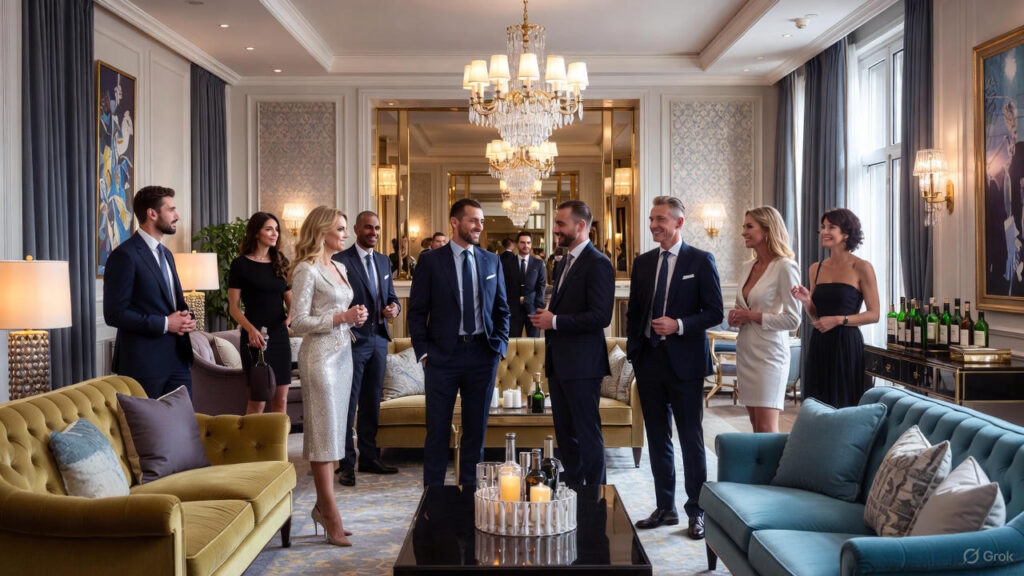
Luxury living is no longer defined by static ownership or traditional hotel stays. A new category is reshaping the premium real estate and lifestyle landscape—luxury hospitality residential living. This hybrid approach blends the services, standards, and experiences of five-star hospitality with the privacy and permanence of residential ownership.
As consumer expectations evolve, hybrid luxury living models are becoming one of the most influential trends shaping the future of luxury real estate worldwide.
The Rise of Hospitality-Driven Residential Living
Luxury hospitality brands have long mastered service, experience, and emotional connection. Residential real estate, on the other hand, has traditionally focused on ownership, location, and physical space.
Hybrid models bring these two worlds together.
Residents today want:
- Hotel-level service without temporary stays
- Seamless lifestyle management
- Experiences embedded into everyday living
This shift reflects deeper changes in how affluent consumers define luxury—not as possession, but as effortless living.
What Are Branded Residences?
At the core of this movement are branded residences luxury developments—homes affiliated with globally recognized hospitality or lifestyle brands.
These residences offer:
- Consistent service standards
- Curated lifestyle experiences
- Brand-led design and amenities
Unlike serviced apartments, branded residences are designed for long-term living, while retaining the operational excellence of hospitality.
This model appeals to buyers who value trust, reputation, and lifestyle continuity.
Why Hybrid Luxury Living Models Are Gaining Popularity
Several macro trends are accelerating the adoption of hybrid luxury living:
1. Experience Over Ownership
High-net-worth individuals increasingly prioritize quality of life over accumulation. Hybrid residences deliver daily experiences once reserved for hotels—concierge, wellness, dining, and security—without sacrificing privacy.
2. Global Mobility
Affluent consumers often live across cities and countries. Hospitality-led residential models provide consistency and familiarity, regardless of location.
3. Time as the Ultimate Luxury
Hybrid living reduces friction. Services are integrated, curated, and managed, allowing residents to focus on life rather than logistics.
Hospitality Services Embedded Into Residential Life
Luxury serviced residences often include:
- 24/7 concierge and lifestyle management
- Housekeeping and maintenance
- Wellness facilities and spa access
- Private dining and event services
These features transform homes into lifestyle ecosystems rather than static properties. Hospitality-driven residential design ensures that luxury feels lived-in, not staged.
Lifestyle-Led Design and Community Building
Hybrid luxury living is not only about services—it’s about community.
Developers now design spaces that encourage:
- Social interaction without intrusion
- Shared experiences with privacy
- Cultural, wellness, and networking events
This approach mirrors how premium brands build emotional loyalty, often supported by strategic partners such as a luxury marketing agency canada that understands how to translate lifestyle into long-term brand value.
Investment Appeal of Hybrid Luxury Developments
From an investment perspective, hybrid models offer distinct advantages:
- Strong brand equity increases resale value
- Hospitality partnerships enhance operational quality
- Lifestyle appeal attracts global buyers
Luxury hospitality real estate often performs well in prime markets, especially when aligned with trusted brands and long-term demand for experiential living.
The Role of Influencers and Brand Perception
Luxury real estate is increasingly discovered through digital storytelling rather than brochures.
Hybrid living developments leverage:
- Lifestyle creators
- Architectural and travel influencers
- Experience-led content
Many developers collaborate with an Influencer marketing agency Canada to position these residences as aspirational lifestyles rather than properties for sale. Storytelling focuses on how it feels to live there, not just what’s included.
Digital Experience and Residential Hospitality
The digital layer of hybrid luxury living is just as important as the physical one.
Residents expect:
- Seamless digital service requests
- Private digital communities
- Integrated lifestyle platforms
To support this, developers often work with an E-Commerce Marketing Agency in Canada or digital specialists to design platforms that manage experiences, services, and engagement—mirroring premium digital commerce standards.
Hybrid Living in the Canadian Luxury Market
Luxury real estate trends in Canada show strong alignment with hybrid models. Canadian luxury buyers value:
- Discretion over excess
- Quality over scale
- Experience over visibility
This makes Canada an ideal market for hospitality-driven residential living that emphasizes calm, wellness, and service rather than spectacle.
Cities with strong cultural, culinary, and wellness ecosystems are especially well-suited for this model.
The Future of Luxury Hospitality Residential Living
The future of luxury living is increasingly hybrid.
We can expect:
- More branded residential partnerships
- Deeper integration of wellness and hospitality
- Technology-enabled service ecosystems
- Long-term lifestyle-focused ownership models
Hybrid luxury living models are not a trend—they are a response to how affluent consumers want to live now and in the future.
Final Thoughts: Living Like a Guest, Owning Like a Resident
Luxury hospitality meeting residential living represents a fundamental shift in how luxury is experienced.
These hybrid models allow residents to:
- Live with ease
- Access services on demand
- Enjoy consistency, comfort, and care
Luxury, in this context, is not about grandeur.
It’s about effortless, elevated living—every single day.