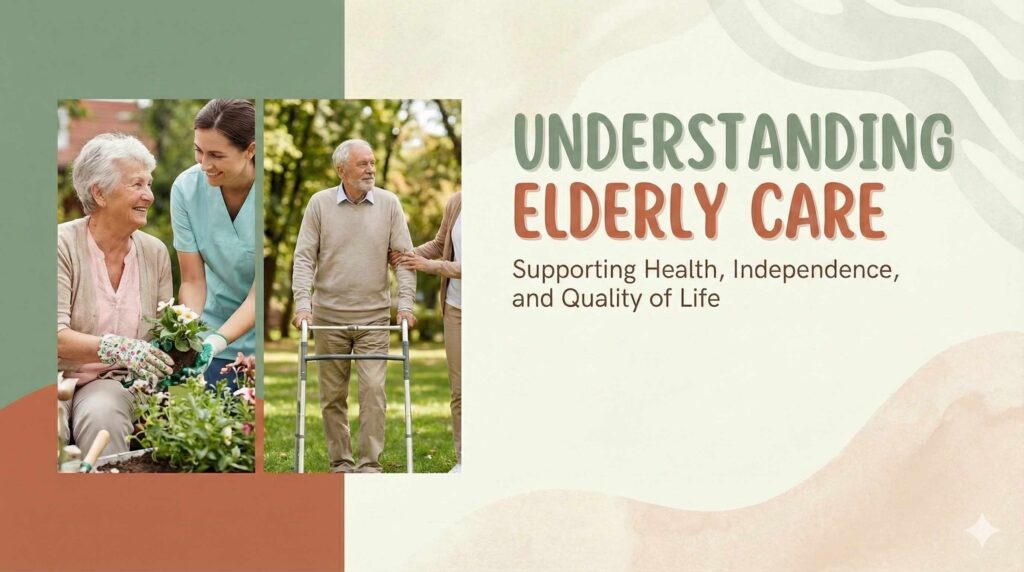
As people age, their needs begin to change—sometimes slowly, sometimes unexpectedly. Physical strength may decline, medical needs may increase, and emotional support can become just as important as medical care. Elderly care focuses on addressing these changes with compassion, respect, and consistency, ensuring seniors continue to live safely and with dignity.
In today’s world, elderly care has evolved beyond hospitals and institutions. With the support of home healthcare services, families can now provide personalized care in the comfort of their loved ones’ homes.
What Does Elderly Care Really Mean?
Elderly care is not just about assisting with daily tasks. It is a holistic approach that supports:
-
Physical health
-
Emotional well-being
-
Safety and mobility
-
Social connection
-
Independence and dignity
The goal of elderly care is to help seniors maintain the best possible quality of life while managing age-related challenges.
Why Elderly Care Is Becoming More Important
Longer life expectancy and changing family structures mean more seniors are living with chronic conditions or limited mobility. At the same time, many families are balancing work and personal responsibilities, making full-time caregiving difficult.
This is where structured elderly care, supported by professional home healthcare services, becomes essential. It allows seniors to receive consistent care without disrupting their familiar routines.
The Role of Home Healthcare Services in Elderly Care
Home healthcare services play a vital role in modern elderly care by bringing professional support directly into the home. These services may include:
-
Assistance with daily activities such as bathing and dressing
-
Medication reminders and health monitoring
-
Mobility and fall prevention support
-
Companionship and emotional care
By receiving care at home, seniors remain connected to their surroundings, routines, and loved ones.
Preserving Independence While Providing Support
One of the biggest concerns for seniors is losing independence. Effective elderly care focuses on support, not control. Care plans are tailored to individual needs, allowing seniors to:
-
Make their own decisions
-
Maintain daily routines
-
Receive help only where needed
This approach boosts confidence and helps seniors feel valued rather than dependent.
Supporting Physical Health and Safety
As mobility decreases, the risk of falls and injuries increases. Elderly care ensures that safety measures are in place and daily activities are performed with care.
With professional home healthcare services, caregivers:
-
Assist with safe movement
-
Monitor health conditions
-
Ensure proper nutrition and hydration
-
Identify early signs of health issues
This proactive care reduces emergencies and hospital visits.
Emotional Well-Being and Companionship
Emotional health is a crucial part of elderly care. Seniors may experience loneliness due to reduced social interaction, loss of loved ones, or limited mobility.
Caregivers provide companionship, conversation, and reassurance, which:
-
Reduces feelings of isolation
-
Improves mood and mental health
-
Encourages social engagement
Emotional stability often leads to better physical health outcomes.
Helping Families Manage Care Responsibilities
Caring for an elderly family member can be overwhelming. Home healthcare services help families by sharing caregiving responsibilities, ensuring seniors receive consistent care while family members avoid burnout.
This support allows families to focus on spending meaningful time together rather than managing medical or daily care tasks.
When Should Families Consider Elderly Care?
Elderly care may become necessary when:
-
Daily tasks become difficult
-
Health conditions require regular monitoring
-
Mobility or balance issues increase
-
Seniors feel lonely or unsafe
-
Family caregivers feel overwhelmed
Early support often leads to smoother transitions and better long-term outcomes.
Elderly Care as a Long-Term Solution
Elderly care is not always a short-term need. Many seniors benefit from ongoing support that adapts as their health and lifestyle change. With flexible home healthcare services, care plans can evolve, ensuring seniors continue to receive the right level of assistance over time.
Conclusion
Elderly care is about more than assistance—it is about enabling seniors to live with comfort, dignity, and confidence. With the support of professional home healthcare services, elderly individuals can remain in familiar surroundings while receiving personalized care tailored to their needs.
By choosing thoughtful and compassionate elderly care, families can ensure their loved ones age safely, comfortably, and with the respect they deserve.