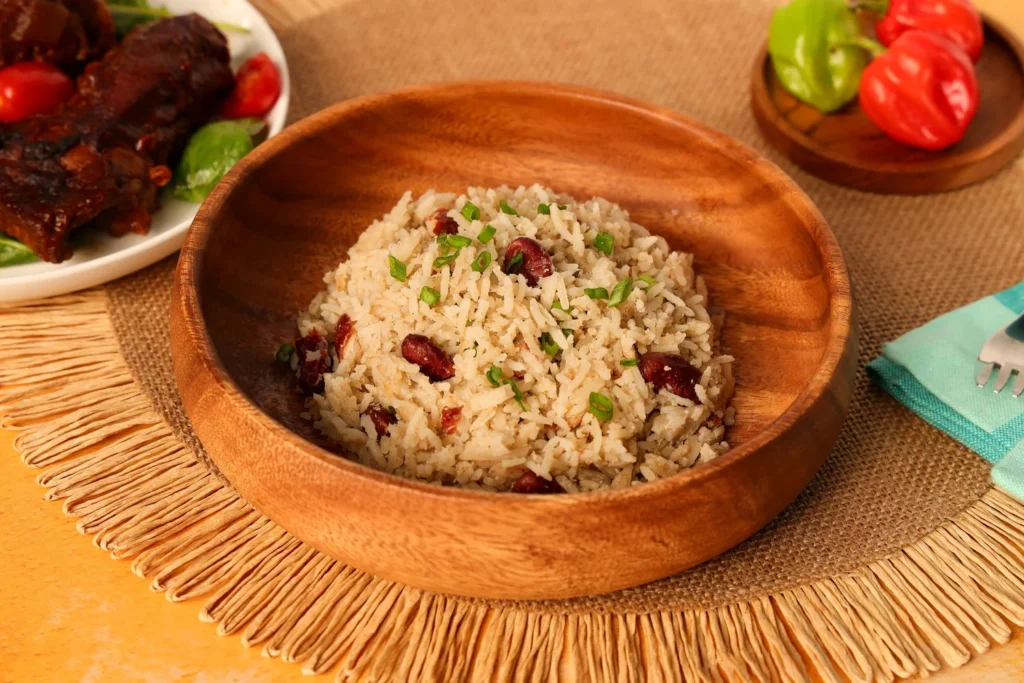
Rice and beans have traveled across continents for centuries, shaped by trade routes, migration, and local agriculture. Among the many combinations, rice and red beans stand out as a comforting, filling, and culturally rich pairing. While the core ingredients remain simple, each region has adapted the dish to reflect its history, climate, and culinary preferences. From slow-simmered stews to spiced everyday meals, the diversity of rice and red beans reveals how one concept can take on countless identities around the world.
The Cultural Roots Of Rice And Red Beans
Starts with soil, ends on plates – rice and red beans found their way into homes worldwide because they were simply there. Easy to grow, rice thrives nearly anywhere; red beans stand out by lasting long and filling bellies. One supports the other, making a pair that feeds people without fuss. Years pass, routines form – what began as necessity turns into something felt deeper, like memory or belonging. Every region adds its touch: spices here, timing there, meaning woven through. Not reinvention – just quiet changes handed down, shaped by hands that knew hunger, celebration, routine.
Caribbean Ways and Island Customs
Out in the islands, people eat rice with red beans just about every day – it means something, not just food. Coconut goes into it, along with fresh herbs and spices you only find where palm trees sway. Simmered low and slow, the beans soften fully, mixing deep flavor into each grain of rice. Often plated center-stage instead of tucked beside meat, it shows how strong this combo stands on its own. Sweetness hums quietly through the dish, heat lingers soft – nothing shouts, everything fits.
Latin America Differences and Local Identities
Every day in places like Central America, people eat rice with red beans just like that. Meals show up on plates where one part tastes bold while the other stays mild. Some cooks take time to spice the beans before mixing them into soft grains. This food fills bellies without costing much, so many rely on it regularly. During big get-togethers, extra touches appear – herbs, heat, slow cooking. What starts plain can turn rich when moments matter more.
African Roots in Classic Cooking Methods
From Africa come many meals built on rice mixed with red beans, a combo rooted in centuries of grain and legume reliance. Onions sizzle first, joined by spices and oils, forming a base where beans soften into richness. That mixture lands beside steamed rice, filling bowls with warmth meant to last from morning chores to evening light. Movement across oceans carried these practices far, shaping how food unfolds in parts of the Americas today. Boldness rules the palate here – spice, depth, earth – all served up in ways that bring people close around one dish. Shared plates become quiet acts of connection, repeating rhythms older than borders.
Asian Variants Meet Modern Ease
Across some Asian regions, meals often build around rice as a staple food. Alongside it, red beans appear in dishes that range from spicy stews to sugary desserts. Though different from what many in the West might expect, the idea shares common ground. Softened by slow simmering, red beans can rest next to steamed white rice, highlighting subtle flavors. With faster living rhythms today, pre-cooked rice options help keep these pairings within reach. Such shifts show tradition adapting quietly, holding on to meaning even as habits change.
Modern Global Flavors Meet Daily Cooking
Rice and red beans shift shape as kitchens borrow from around the world. Spices travel, methods mix, textures change – home meals evolve quietly. Cities embrace the dish not just for taste but how well it fits daily life. Pre-cooked rice appears on shelves, making faraway tastes easier to reach. Through all the shifts, something stays steady – the warmth, the fullness, the quiet echo of home no matter where you are.
Why Rice and Red Beans Are Still Widely Enjoyed
What keeps rice and red beans around so long is how basic they are yet how much you can do with them. Cooked low and slow brings out richness; done fast fits tight schedules – either way works. A bowl might be a weekday dinner or part of a celebration passed down years. Every version carries the mark of someone’s hands, someone’s choices. These ingredients become memories, not only sustenance.
Conclusion
One grain, one legume – this pair shows what happens when basics travel far. Out of island stoves, across dusty trails, into city apartments, it shifts without losing itself. Every region shapes it differently, guided by memory, soil, season. Same elements, endless outcomes. When quick-cook grains enter the scene, the meal bends again, not breaks. It stays close to people who grow older, younger, farther away. Fullness lives here.
FAQs
What makes rice pair often with red beans around the world?
Found nearly everywhere, rice mixed with red beans costs little yet feeds well. Sitting on shelves for ages without spoiling, they take on spices and seasonings like a sponge. Cooks across regions twist them into local dishes without effort.
Are rice and red beans always prepared as savory dishes?
True, many dishes lean salty, yet across certain Asian regions, red beans meet rice in recipes that tilt toward sweet.
What effect does today’s lifestyle have on how people cook rice with red beans?
These days, fast living pushes folks toward faster ways to cook. Ready-made rice slips into meals easily, bringing familiar tastes without long prep. Less time chopping, more time eating what feels like home.
What do rice and red beans represent in culture or tradition?
Folks often link this food to old customs, time with loved ones, maybe even luck – so it means something beyond eating. What stands out isn’t flavor alone but moments shared around the table. Over years, that connection stuck, turning a simple plate into something deeper. Not every dinner carries such weight, yet this one does. Tradition wraps around it like steam around a fresh serving.