Roof projects involve elevated surfaces, heavy materials, and constant exposure to environmental factors, making safety control a core responsibility rather than an optional task. Professional planning, disciplined execution, and trained supervision work together to reduce injuries and property damage while keeping schedules on track. A structured approach supported by a replacement roofing service helps property owners and contractors manage hazards through preparation, controlled workflows, and consistent oversight. Each phase of a roofing project requires attention to detail, from initial inspection through final cleanup, ensuring workers remain protected and the structure remains secure throughout the process.
Conducting a Detailed Site Risk Assessment
Effective roof safety begins with identifying potential hazards present at the job location. Surface slope, roof height, material condition, electrical lines, access points, and nearby structures must be evaluated to determine risk exposure. A documented assessment allows supervisors to plan fall protection methods, select suitable equipment, and assign tasks based on complexity. Site evaluations also help anticipate material placement challenges and movement paths, reducing unnecessary exposure to unstable areas. A thorough assessment establishes a clear safety roadmap that guides all subsequent actions on the project.
Selecting Proper Safety Equipment and Protective Gear
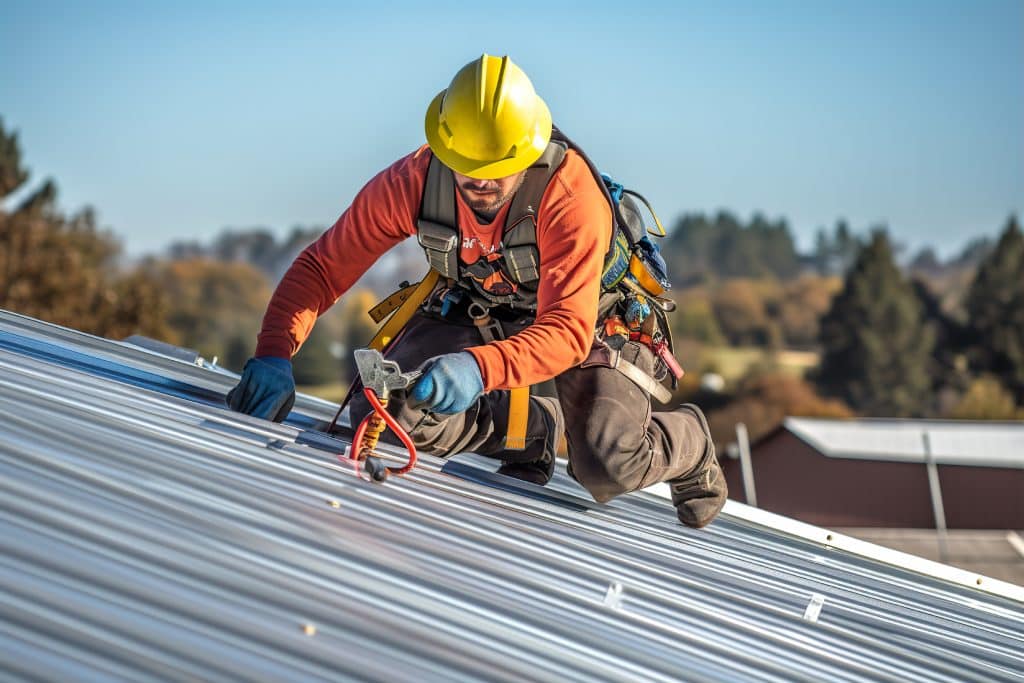
Reliable safety outcomes depend on the correct use of certified equipment designed for roofing environments. Personal protective gear such as helmets, harnesses, non-slip footwear, and eye protection minimizes injury risk during routine tasks. Guardrails, anchor points, and secured ladders provide additional layers of protection for elevated work. Equipment selection should match roof design, material type, and expected weather exposure. Regular inspection of gear ensures functionality and prevents failures that could lead to serious incidents.
Assigning Tasks Based on Training and Experience
Workforce competency directly affects safety performance on roofing projects. Skilled workers handle complex tasks such as steep-slope movement and equipment operation, while less experienced crew members focus on controlled support duties. Structured training programs reinforce safe movement techniques, fall prevention methods, and emergency response awareness. Clear role assignment reduces confusion and prevents unqualified handling of high-risk activities. A trained team operates with greater confidence, consistency, and accountability across all stages of the project.
Implementing Critical On-Site Safety Practices
Consistent daily practices form the backbone of on-site risk control and help maintain safe working conditions throughout roof projects.
- Installation and verification of fall protection systems at all elevated edges
- Controlled access zones to prevent unauthorized entry beneath work areas
- Secure material placement to avoid shifting or falling objects
- Clear communication protocols among crew members during task transitions
- Routine site walkthroughs to identify new or developing hazards
Monitoring Weather Conditions and Environmental Factors
Environmental conditions influence both worker stability and material performance during roofing operations. Wind, moisture, heat, and surface temperature affect traction, visibility, and physical endurance. Active weather monitoring allows supervisors to adjust schedules or pause work to maintain safety standards. Surface inspections help detect moisture buildup or debris accumulation that could increase slip risks. Environmental awareness supports proactive decision-making rather than reactive responses to unsafe conditions.
Maintaining Tools and Equipment for Safe Operation
Tool condition plays a significant role in reducing injuries and ensuring work precision. Power tools, hand tools, and lifting devices require regular inspection to confirm proper operation. Secure storage prevents accidental falls and reduces trip hazards across the work surface. Adhering to manufacturer guidelines ensures tools are used within safe operational limits. Consistent maintenance routines promote reliability and reduce unexpected failures during critical tasks.
Establishing Emergency Preparedness and Response Measures
Preparedness reduces the severity of incidents and supports quick, organized responses during roofing emergencies.
- Accessible first aid kits stocked for common roofing injuries
- Defined evacuation routes tailored to roof layout and access points
- Incident reporting procedures to document and address safety breaches
- Assigned response roles to coordinate immediate action
- Coordination plans with local emergency services for rapid assistance
Enforcing Supervision and Safety Compliance
Active supervision ensures safety policies are applied consistently across all work activities. Supervisors monitor worker behavior, equipment usage, and procedural adherence throughout the project. Immediate correction of unsafe actions prevents minor issues from escalating into serious incidents. Compliance tracking and documentation support accountability and reinforce safety expectations. Ongoing oversight fosters a disciplined work environment focused on risk prevention rather than damage control.
Managing Material Handling and Storage Safely
Roofing materials often involve significant weight and awkward dimensions that increase strain and fall risks. Organized material delivery schedules prevent overcrowding on roof surfaces. Proper lifting techniques and mechanical assistance reduce physical stress on workers. Secure storage locations prevent sliding or collapse caused by uneven placement. Controlled material management supports safer movement and reduces clutter-related hazards.
Completing Final Inspections and Site Cleanup
Project completion requires the same level of attention to safety as initial preparation. Final inspections confirm that no tools, fasteners, or debris remain on the roof surface. Cleanup activities reduce the risk of post-project injuries and protect property occupants. Documentation of safety compliance provides closure and reinforces professional standards. A disciplined finish ensures long-term roof integrity and workplace accountability.
Conclusion
Roof project safety depends on structured planning, trained personnel, disciplined execution, and continuous oversight. Each practice, from risk assessment through final inspection, contributes to minimizing hazards and protecting everyone involved. Safety-focused operations reduce downtime, prevent costly damage, and support consistent project outcomes. A methodical approach transforms roofing from a high-risk activity into a controlled and predictable process that benefits workers, property owners, and contractors alike.
FAQs
Why is fall protection essential during roof projects?
Fall protection systems reduce the risk of serious injuries by preventing uncontrolled drops from elevated surfaces and providing stability during movement.
How does training influence roofing safety outcomes?
Training ensures workers understand safe techniques, equipment usage, and emergency procedures, leading to fewer accidents and better task execution.
What role does supervision play in roofing safety?
Supervision enforces safety standards, corrects unsafe behavior, and maintains compliance throughout the project duration.
Why is weather monitoring necessary for roofing work?
Weather conditions affect surface stability and visibility, making monitoring essential to prevent slips, heat stress, and material damage.