Fire safety is often treated as a “tick-box” requirement rather than a living, breathing part of business operations. Across Norfolk, many businesses genuinely believe they are compliant—yet still carry serious, hidden fire safety gaps that put people, property, and reputations at risk.
At Nelson County Fire, we regularly carry out fire safety risk assessment inspections across offices, retail units, warehouses, hospitality venues, and industrial sites. Time and again, we see the same overlooked issues—many of which could have catastrophic consequences if left unaddressed.
This article explores the most common fire safety gaps Norfolk businesses overlook, why they happen, and how a professional fire risk assessment Norfolk service can help close them before it’s too late.
Why Fire Safety Gaps Are So Common in Norfolk Businesses
Norfolk’s business landscape is diverse, ranging from historic town-centre buildings to modern industrial units and rural commercial sites. While this diversity is a strength, it also introduces unique fire safety challenges:
- Older buildings not designed to modern fire standards
- Multi-use premises with changing layouts
- Seasonal staff and high turnover
- Business growth without updated safety plans
- Over-reliance on outdated assessments
Fire safety isn’t static. As soon as a business changes—new equipment, new staff, new layout—the existing controls may no longer be sufficient. Without regular reviews and professional input, gaps quickly form.
1. Outdated or Generic Fire Risk Assessments
One of the most serious and widespread issues is relying on an old, copied, or generic assessment.
Many Norfolk businesses completed a fire safety risk assessment years ago and assume it remains valid indefinitely. Others download free templates online that don’t reflect their actual risks.
Why This Is Dangerous
- Fire risks evolve as businesses change
- Generic documents miss site-specific hazards
- Old assessments don’t reflect current legislation
- Insurers may invalidate claims after a fire
A legally compliant fire risk assessment services provider evaluates how fire could start, spread, and impact your specific premises—not someone else’s.
At Nelson County Fire, our assessments are tailored, site-specific, and aligned with current UK fire safety legislation.
2. Poor Fire Door Maintenance and Management
Fire doors are one of the most critical life-saving features in a building—yet also one of the most neglected.
Common issues we find during fire risk assessment Norfolk inspections include:
- Fire doors wedged open
- Damaged seals or hinges
- Incorrect glazing
- Doors that don’t close fully
- Uncertified replacements
Why Fire Doors Matter
Fire doors are designed to contain smoke and flames, giving occupants time to escape. A single faulty door can allow fire to spread rapidly through an entire building.
Even a well-maintained fire alarm system cannot compensate for poor compartmentation.
3. Inadequate Staff Fire Safety Training
Fire safety is not just about equipment—it’s about people.
Many Norfolk businesses assume that installing alarms and extinguishers is enough, but fail to properly train staff.
Common Training Gaps
- New starters not trained
- Temporary or seasonal workers overlooked
- No refresher training
- Staff unaware of evacuation routes
- Fire wardens not clearly assigned
In an emergency, confusion costs lives. Employees must know:
- How to raise the alarm
- Where to evacuate
- Who is responsible for checks
- How to assist vulnerable individuals
A professional fire safety risk assessment highlights training gaps and helps build a clear, workable fire safety plan.
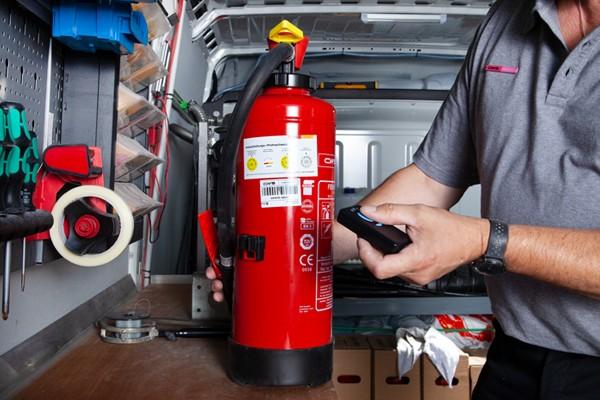
4. Incorrect Placement or Maintenance of Fire Extinguishers
Fire extinguishers are often installed—but rarely reviewed.
During fire risk assessment services, we frequently find:
- Extinguishers blocked by furniture
- Incorrect types for fire risks present
- Units not serviced annually
- Staff unaware of how or when to use them
Why This Is a Problem
Using the wrong extinguisher on the wrong fire can make the situation worse. For example, water extinguishers on electrical fires pose serious risks.
A professional fire risk assessment Norfolk ensures:
- Correct extinguisher types are installed
- Locations meet British Standards
- Servicing schedules are followed
- Staff receive basic extinguisher awareness
5. Overlooked Electrical Fire Risks
Electrical faults remain one of the leading causes of commercial fires—and yet many businesses underestimate the risk.
Common Electrical Hazards
- Overloaded sockets
- Damaged extension leads
- Portable heaters under desks
- Outdated wiring in older buildings
- Lack of Portable Appliance Testing (PAT)
Businesses operating from historic or converted premises in Norfolk are especially vulnerable.
A comprehensive fire safety risk assessment identifies electrical risks and prioritises corrective action before a fault becomes a fire.
6. Poor Housekeeping and Combustible Storage
Fire risk is not always about faulty systems—sometimes it’s about everyday habits.
We regularly observe:
- Cardboard stored near ignition sources
- Waste not removed daily
- Flammable liquids stored incorrectly
- Stock blocking escape routes
Why Housekeeping Matters
Even small ignition sources can escalate rapidly when fuel is readily available. Poor housekeeping increases fire load and accelerates fire spread.
Professional fire risk assessment services include practical recommendations to improve storage, waste management, and daily routines.
7. Blocked or Poorly Maintained Escape Routes
Escape routes are only effective if they are accessible, clearly marked, and well lit.
Yet during fire risk assessment Norfolk visits, we frequently find:
- Corridors used for storage
- Emergency exits locked or obstructed
- Faded or missing signage
- Faulty emergency lighting
The Consequences
In a smoke-filled environment, even familiar buildings become disorienting. Clear escape routes save lives—but only if they are properly maintained.
8. Failure to Consider Vulnerable Occupants
Fire safety planning must consider everyone in the building—not just able-bodied adults.
Many businesses fail to account for:
- Disabled staff or visitors
- Elderly occupants
- Children in educational or care settings
- Lone workers
A compliant fire safety risk assessment includes Personal Emergency Evacuation Plans (PEEPs) where necessary.
This is an area where many Norfolk businesses fall short—and one that regulators take very seriously.
9. Lack of Regular Fire Safety Reviews
Fire safety is not a one-off task.
Businesses often neglect to review their fire risk assessment services after:
- Office refurbishments
- Change of use
- New machinery installation
- Increased occupancy
- Changes in legislation
At Nelson County Fire, we recommend regular reviews to ensure continued compliance and real-world effectiveness.
10. Assuming Compliance Equals Safety
Perhaps the most dangerous gap of all is complacency.
Compliance with minimum legal requirements does not always equal safety. A business can technically “pass” an inspection yet still face serious operational risks during a real fire.
A proactive fire safety risk assessment focuses on prevention, protection, and preparedness—not just paperwork.
How Nelson County Fire Helps Norfolk Businesses Close These Gaps
As a trusted provider of fire risk assessment Norfolk solutions, Nelson County Fire works closely with local businesses to:
- Identify real, site-specific risks
- Provide clear, practical recommendations
- Support legal compliance
- Improve staff awareness
- Reduce insurance and operational risk
Our fire risk assessment services are tailored to your premises, industry, and workforce—never generic, never rushed.
Final Thoughts: Don’t Wait for a Wake-Up Call
Most businesses don’t ignore fire safety intentionally—they simply underestimate how quickly gaps can form.
Fire doesn’t wait for compliance checks or convenient timing. It exploits weaknesses, assumptions, and oversights.