laser cleaning machine
A laser cleaning machine has emerged as a groundbreaking solution in modern industrial applications, transforming the way surfaces are treated and maintained. Unlike traditional methods of cleaning, which rely on chemical agents, abrasives, or high-pressure systems, laser cleaning machines use highly focused light energy to remove contaminants, coatings, rust, and other unwanted materials from surfaces. This technology has redefined efficiency, precision, and control in cleaning processes, making it a central tool for industries ranging from automotive and aerospace to electronics and heritage preservation.
The core principle of a laser cleaning machine lies in the interaction between laser light and surface contaminants. When the laser beam is directed onto a material, the energy absorbed by the impurities causes them to vaporize or detach without affecting the underlying substrate. This process is highly controllable, allowing operators to clean intricate shapes, delicate components, and hard-to-reach areas that traditional cleaning methods cannot reach. The precision offered by a laser cleaning machine ensures that surfaces retain their integrity, making it ideal for industries where both performance and appearance are critical.
Industrial sectors have increasingly adopted laser cleaning machines because of their adaptability. Metal surfaces, for example, benefit from the removal of rust, paint, and oxidation layers, restoring the material to its original state and preparing it for further processing. In the automotive industry, laser cleaning machines are used to clean molds, engine parts, and components with complex geometries, reducing downtime and improving productivity. The aerospace sector relies on this technology for maintenance and repair operations, particularly for removing coatings from turbine blades and other high-value components, where precision is essential.
Laser cleaning machines are also valuable in electronic manufacturing, where contamination or oxidation on sensitive components can affect performance. By using a focused laser beam, manufacturers can clean delicate circuits, connectors, and microchips without causing damage. Similarly, the cultural heritage and restoration industry has leveraged laser cleaning machines to preserve valuable artifacts, sculptures, and monuments. Contaminants and pollutants accumulated over decades or centuries can be removed gently, revealing original details without the risk of chemical damage.
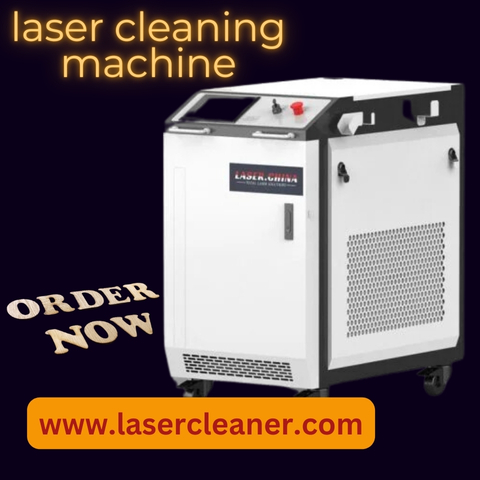
The operation of a laser cleaning machine involves several critical components working together. The laser source generates a beam of concentrated light at a specific wavelength, which is then guided through optical systems to the target surface. The laser’s power, pulse frequency, and scanning speed can be adjusted to match the type and thickness of the material to be cleaned. Operators can control the cleaning process using automated or semi-automated systems, which allows for uniform results and minimizes human error. In addition, advanced machines may include software that maps the surface and adjusts parameters in real-time for optimal performance.
Energy efficiency and environmental impact are increasingly important considerations in industrial operations. Laser cleaning machines offer an eco-friendly alternative to chemical cleaning methods that produce waste and hazardous by-products. Since the process relies on light energy, there is minimal need for consumables, reducing operational costs and environmental impact. Moreover, the absence of abrasive materials or chemical residues ensures safer working conditions for operators, aligning with modern standards of workplace safety and sustainability.
Another aspect of laser cleaning machines that sets them apart is their speed and precision. Traditional cleaning methods often require multiple steps, including the application of chemicals, scrubbing, rinsing, and drying. In contrast, a laser cleaning machine can perform the same task in a fraction of the time, with higher consistency and reduced labor requirements. The focused beam allows for detailed work on small areas or entire surfaces without the risk of uneven cleaning or damage to surrounding areas. This level of control makes it a preferred choice for industries where quality and accuracy are non-negotiable.
Maintenance and operational flexibility further enhance the value of laser cleaning machines. With minimal moving parts and the absence of consumables like brushes or chemical solutions, the machines require lower maintenance and offer a longer operational lifespan. The ability to adjust laser parameters makes it possible to handle a wide range of cleaning tasks, from light surface dust removal to the precise elimination of heavy corrosion or coatings. This versatility means that a single machine can serve multiple purposes, reducing the need for multiple cleaning systems and optimizing industrial workflows.
Innovation in laser cleaning technology continues to expand its applications. Modern machines are integrating robotics, automated conveyors, and AI-assisted control systems, allowing for fully automated cleaning lines that can operate with minimal supervision. These developments enhance productivity and reduce downtime, allowing industries to achieve higher throughput while maintaining consistent quality. In addition, portable and handheld laser cleaning machines have become increasingly popular, providing mobility and ease of use for on-site cleaning tasks, repairs, and restoration projects.
Safety is an essential consideration in any industrial setting, and laser cleaning machines are designed with operator protection in mind. Modern systems include shielding, laser enclosures, and interlocks to prevent accidental exposure to laser beams. Operators are trained to handle the equipment safely, ensuring that the high-energy light is applied precisely and effectively without risk. This focus on safety, combined with efficiency and precision, has made laser cleaning machines a standard tool in environments where human intervention must be carefully managed.
Industries embracing laser cleaning machines often report improved productivity, enhanced surface quality, and a reduction in the environmental footprint of their operations. By streamlining cleaning processes, minimizing chemical use, and offering precise control, laser cleaning machines enable businesses to meet both operational and regulatory standards. Their adaptability, speed, and safety features make them indispensable for modern industrial practices where performance, quality, and sustainability are intertwined.
As technological advancements continue, the potential applications of laser cleaning machines are expected to grow. From cleaning microelectronic components to restoring historic monuments, the versatility and efficiency of this technology position it as a key driver of innovation across multiple sectors. Its role in optimizing industrial operations, protecting delicate materials, and reducing environmental impact highlights the transformative effect a laser cleaning machine can have on contemporary industrial and cultural practices.
The future of surface treatment is increasingly intertwined with laser cleaning technology. By offering precision, efficiency, and adaptability, laser cleaning machine are reshaping expectations of what industrial cleaning can achieve. Industries across the globe are exploring new ways to integrate this technology, whether in manufacturing lines, maintenance workshops, or heritage preservation projects. Its ability to combine high performance with environmental responsibility ensures that laser cleaning machines remain at the forefront of modern surface treatment solutions.