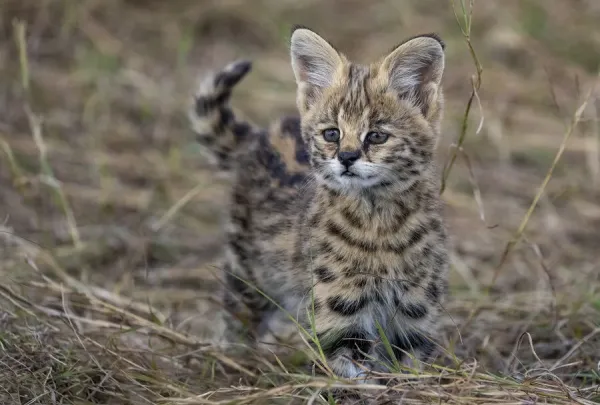
Serval Kitten
Owning a Serval Kitten can be a rewarding experience, but it comes with unique challenges. These wild cats are known for their striking appearance, energetic personality, and strong hunting instincts. To ensure your Serval Kitten grows up happy, healthy, and well-adjusted, it’s essential to understand their specific needs—from diet and housing to socialization and health care. This guide will provide practical tips and advice for responsible Serval Kitten ownership.
1. Understanding Your Serval Kitten
A Serval Kitten is a small wild cat native to Africa. Unlike domestic cats, servals retain many of their natural instincts, including high energy levels, curiosity, and strong hunting behavior. Understanding these traits is crucial for providing a safe and stimulating environment.
These kittens are highly intelligent and require mental and physical stimulation to prevent boredom. Unlike typical house cats, Serval Kittens can jump exceptionally high and explore every corner of your home if given the chance. Owners must provide an environment that satisfies these instincts while maintaining safety.
Socialization is another critical factor. Early exposure to humans, other pets, and various environments helps your Serval Kitten become a confident and well-adjusted adult. Patience, consistency, and gentle handling are key components of this process.
2. Creating the Perfect Home Environment
Your Serval Kitten needs a home that accommodates its unique energy and curiosity. Standard cat furniture might not be sufficient. Vertical spaces such as cat trees, shelves, and climbing structures are essential. Serval Kittens love to jump and climb, so make sure the environment supports their natural behaviors.
Safety is paramount. Remove any hazards, such as toxic plants, small objects they could swallow, or fragile items. Ensure windows and doors are secure because these cats are known for their ability to escape. Outdoor enclosures designed specifically for exotic cats can provide a safe space for exploration while preventing accidental escapes.
Temperature control is also important. Servals are native to warm climates, so maintaining a comfortable indoor temperature is vital for your Serval Kitten’s health.
3. Nutrition and Feeding Tips
Proper nutrition is the cornerstone of your Serval Kitten’s health. These cats are obligate carnivores, meaning they require a diet primarily composed of meat. High-quality raw or commercial exotic cat diets are recommended. Protein should be the main component, with minimal fillers or grains.
Fresh water should always be available. Some Serval Kittens enjoy drinking from running water, so a pet water fountain can encourage hydration. Avoid feeding processed human food, as it can harm their digestive system.
Routine feeding schedules help establish consistency and promote good behavior. Consult your veterinarian for specific dietary recommendations based on your Serval Kitten’s age, weight, and activity level. Trusted institutions like Park Hills Animal Hospital can provide guidance on specialized exotic diets for serval kittens.
4. Health Care and Veterinary Needs
Regular veterinary care is essential for a healthy Serval Kitten. Exotic cats have different needs compared to domestic cats, so finding a vet experienced with wild felines is crucial. Your kitten will require routine vaccinations, parasite prevention, and wellness check-ups.
Early spaying or neutering is often recommended to prevent behavioral issues and contribute to overall health. Monitoring your Serval Kitten for signs of illness—such as changes in appetite, behavior, or coat condition—can prevent minor issues from becoming serious problems.
Grooming is generally minimal but important. Regular brushing keeps the coat healthy, while nail trimming ensures safety for both the cat and household members. Some servals may enjoy bathing, but many prefer minimal water exposure.
5. Behavioral Training and Socialization
Training a Serval Kitten requires patience and understanding of its natural instincts. Positive reinforcement works best. Reward-based training using treats or praise helps shape good behaviors. Start with basic commands like “sit” and “come,” and gradually introduce more complex behaviors.
Socialization is vital for preventing aggression and anxiety. Early exposure to various sounds, environments, and gentle handling helps your Serval Kitten become comfortable with human interaction. Supervised play sessions with other pets can also enhance social skills, but always monitor interactions closely.
Environmental enrichment—like puzzle feeders, toys that mimic prey, and climbing structures—stimulates your kitten mentally and physically. Without proper stimulation, Serval Kittens may develop destructive habits or stress-related behaviors.
6. Exercise and Mental Stimulation
A bored Serval Kitten can quickly become frustrated or destructive. These cats are natural hunters with abundant energy, so daily exercise is essential. Playtime should mimic hunting activities, such as chasing, pouncing, and stalking.
Interactive toys, laser pointers, and feather wands can help meet their physical and mental stimulation needs. Outdoor enclosures, if safe and secure, offer a natural environment for climbing, running, and exploring. Rotating toys regularly prevents boredom and keeps your Serval Kitten engaged.
Exercise also supports healthy growth, weight management, and overall well-being. Neglecting this aspect can result in stress, obesity, or behavioral challenges.
7. Handling and Bonding with Your Serval Kitten
Building a strong bond with your Serval Kitten takes time and patience. Gentle handling from an early age helps establish trust and reduces fear or aggression. Pay attention to your kitten’s body language—ears, tail, and vocalizations provide insights into their mood.
Interactive play and feeding routines strengthen your relationship. Some servals enjoy sitting on shoulders or following owners around the house, while others prefer observing from a distance. Respect your kitten’s preferences while gradually encouraging social interaction.
Consistency in daily routines also provides comfort. Predictable feeding times, play sessions, and rest periods help your Serval Kitten feel secure and happy.
8. Preparing for Long-Term Ownership
Owning a Serval Kitten is a long-term commitment, often spanning over a decade. These cats require ongoing care, attention, and resources. Before bringing a kitten home, ensure you are prepared for the responsibilities, including veterinary care, diet, socialization, and enrichment.
Legal considerations are also important. Some regions require permits to own exotic cats, so always check local laws. Connecting with breeders, rescue organizations, and experienced serval owners can provide guidance and support.
A well-cared-for Serval Kitten can grow into a healthy, confident adult cat. With proper nutrition, health care, socialization, and environmental enrichment, you can enjoy a lifelong bond with one of the most unique feline companions.
Conclusion
Caring for a Serval Kitten requires dedication, knowledge, and patience, but the rewards are immeasurable. By understanding their unique needs, providing proper nutrition, offering mental and physical stimulation, and seeking professional guidance from places like Park Hills Animal Hospital, you can ensure your kitten grows into a happy and healthy exotic cat. With love, attention, and responsible care, your Serval Kitten will thrive as a remarkable and cherished member of your family.