Laser Dental Cleaning vs Traditional Cleaning: What’s Better?
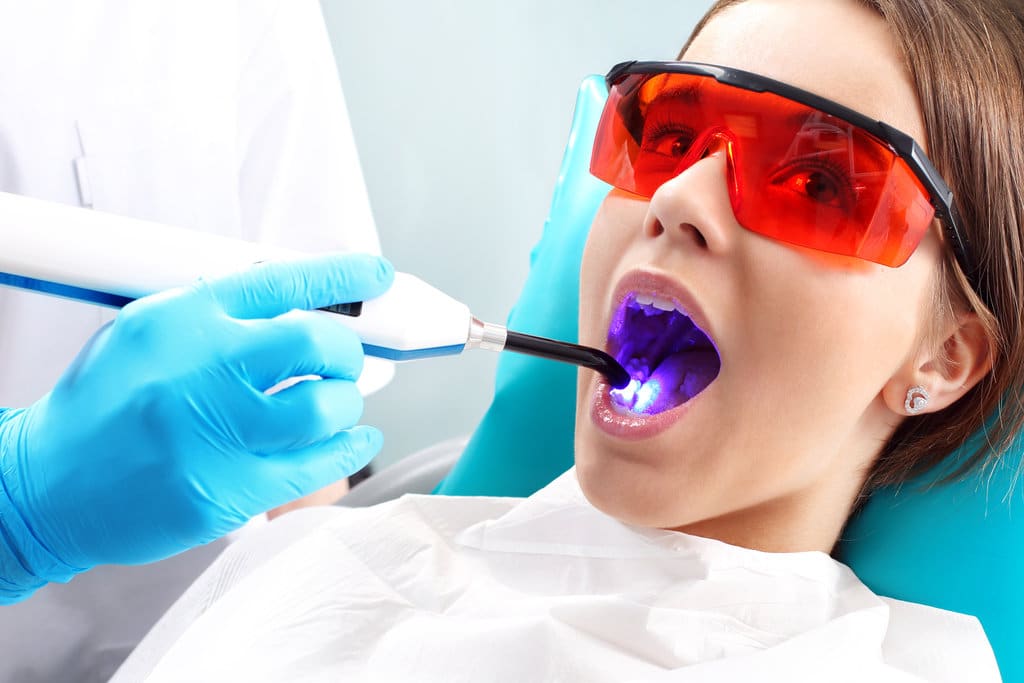
Maintaining oral health starts with professional dental cleanings, but modern dentistry now offers more than one way to achieve that fresh, healthy smile. Patients today often find themselves choosing between Laser Dental Cleaning and traditional dental cleaning methods. Both aim to remove plaque, tartar, and bacteria, yet they differ significantly in technique, comfort, and outcomes. Understanding these differences can help you make an informed decision that aligns with your dental needs, comfort level, and long-term oral health goals.
Below, we’ll break down both options in detail, compare their benefits and limitations, and help you decide which approach may be better for you.
Introduction to Dental Cleaning Methods
Dental cleanings are a cornerstone of preventive oral care. They help remove plaque buildup, prevent gum disease, reduce bad breath, and protect tooth enamel. Traditionally, dentists have relied on manual tools and ultrasonic scalers to clean teeth and gums. In recent years, Laser Dental Cleaning has emerged as a modern alternative that uses advanced laser technology to target bacteria and diseased tissue with precision.
Both methods are effective when performed correctly, but they offer very different patient experiences. Some patients prioritize comfort and minimal invasiveness, while others focus on cost and familiarity. Knowing how each method works is the first step toward choosing the right one for your smile.
What Is Laser Dental Cleaning?
Laser Dental Cleaning is an advanced dental procedure that uses focused light energy to remove plaque, tartar, and harmful bacteria from teeth and below the gum line. Unlike traditional tools that physically scrape the tooth surface, lasers work by targeting pigmented bacteria and infected tissue without direct contact.
One of the biggest advantages of Laser Dental Cleaning is precision. The laser can distinguish between healthy and unhealthy tissue, allowing dentists to treat problem areas while preserving surrounding gums. This approach often results in less bleeding, reduced swelling, and faster healing times.
Additionally, Laser Dental Cleaning is known for being quieter and more comfortable, which makes it especially appealing for patients with dental anxiety. Many people report little to no discomfort during the procedure, and in some cases, anesthesia may not even be necessary.
What Is Traditional Dental Cleaning?
Traditional dental cleaning is the method most people are familiar with. It involves the use of manual hand instruments and ultrasonic scalers to physically remove plaque and tartar from the tooth surface and around the gums. This approach has been used for decades and remains widely practiced in clinics such as Broadway Family Dentistry.
While traditional cleaning is highly effective, it can sometimes cause mild discomfort, especially for patients with sensitive teeth or gum inflammation. The scraping sensation and vibration from ultrasonic tools may lead to temporary gum tenderness or bleeding.
That said, traditional cleaning is a proven, reliable method. It is often more accessible and generally less expensive than laser-based options, making it a practical choice for routine maintenance in patients with good overall oral health.
Technology and Technique Differences
The core difference between these two methods lies in the technology used. Laser Dental Cleaning relies on advanced dental lasers that emit specific wavelengths designed to eliminate bacteria and diseased tissue. This technology allows for a minimally invasive approach that reduces trauma to the gums.
Traditional cleaning, on the other hand, depends on mechanical action. Dentists manually scale teeth to remove hardened tartar, followed by polishing to smooth the tooth surface. While effective, this method can be less selective, sometimes affecting healthy tissue along with problem areas.
From a technical standpoint, Laser Dental Cleaning represents a shift toward precision-based dentistry, whereas traditional cleaning reflects a time-tested, hands-on approach.
Comfort, Pain, and Patient Experience
For many patients, comfort is a deciding factor. Laser Dental Cleaning is often associated with a more pleasant experience due to its gentle nature. The absence of scraping sounds and reduced gum irritation can significantly lower anxiety, especially for those who fear dental procedures.
Traditional cleaning may cause mild discomfort, particularly if there is significant plaque buildup or gum disease. Some patients experience sensitivity during and after the procedure, although this usually subsides quickly.
Overall, patients who value comfort, minimal bleeding, and faster recovery often lean toward Laser Dental Cleaning, while those accustomed to conventional methods may find traditional cleaning perfectly manageable.
Effectiveness for Gum Health and Plaque Removal
When it comes to effectiveness, both methods can deliver excellent results. Laser Dental Cleaning is particularly effective for patients with gum disease, as the laser can penetrate deeper into periodontal pockets and target bacteria that traditional tools may miss.
Traditional cleaning is highly effective for removing surface plaque and tartar, especially in patients with healthy gums. It plays a crucial role in preventing cavities and maintaining enamel integrity.
In cases of moderate to advanced gum disease, Laser Dental Cleaning may offer added benefits by promoting gum reattachment and reducing bacterial regrowth. However, for routine cleanings, traditional methods remain a strong and dependable option.
Safety, Side Effects, and Suitability
Safety is a top concern for any dental procedure. Laser Dental Cleaning is considered safe when performed by trained professionals using approved equipment. The precision of lasers minimizes damage to healthy tissue, and side effects are generally mild, such as slight sensitivity.
Traditional cleaning is also very safe, with decades of clinical use supporting its effectiveness. Some patients may experience temporary gum soreness or bleeding, particularly if they have existing inflammation.
Suitability depends on individual needs. Laser Dental Cleaning may not be recommended for patients with certain medical conditions or specific dental restorations. A professional dental evaluation is essential to determine the best approach.
Cost, Availability, and Final Verdict
Cost and accessibility often influence the final decision. Laser Dental Cleaning typically costs more due to specialized equipment and training. It may not be available in all dental practices, and insurance coverage can vary.
Traditional cleaning is generally more affordable and widely available, making it the most common choice for routine dental care. For patients with healthy gums and minimal buildup, it offers excellent value.
So, what’s better? The answer depends on your oral health needs, comfort preferences, and budget. Laser Dental Cleaning stands out for precision, comfort, and advanced gum care, while traditional cleaning remains a reliable, cost-effective standard. Consulting with your dentist will help you choose the option that best supports your long-term smile health.