Spine Problem
Long hours of sitting have become a routine part of modern work and daily life. Office-based roles, screen-heavy tasks and reduced physical movement place constant stress on the spine. Many people notice mild discomfort but continue their routines without making any changes. Over time, this strain can affect posture, muscle balance and spinal alignment. A sedentary lifestyle does not cause sudden damage, but its cumulative impact often leads to persistent spine problems that interfere with comfort, mobility and daily functioning. Understanding these effects helps individuals recognise risks early and take practical steps to protect spine health.
How Sedentary Habits Affect the Spine?
The spine depends on regular movement to remain flexible and well supported. Physical activity keeps muscles strong and allows joints and discs to function properly. When movement decreases, muscles that stabilise the spine weaken, and joints begin to stiffen. Prolonged sitting also promotes poor posture, increasing pressure on specific spinal regions. A key factor to consider is that the spine is not designed to function for long periods in fixed positions. Sitting reduces circulation around spinal tissues and limits the natural movement that keeps discs healthy. Over time, this creates an imbalance in stress, increasing the likelihood of pain and stiffness.
Lower Back Pain and Prolonged Sitting
Lower back pain remains one of the most common complaints associated with sedentary lifestyles. Long hours of sitting shorten the hip flexors and weaken the core, shifting more load to the lumbar spine. This imbalance places strain on muscles and ligaments that support everyday movement. Discomfort often begins as stiffness at the end of the day or after long meetings. Without corrective changes, the pain may become more frequent and harder to ignore. Early guidance from a spine specialist in Delhi can help determine whether the issue relates to posture, muscle imbalance or early structural stress.
Disc Problems Caused by Reduced Movement
Spinal discs act as shock absorbers between vertebrae. They rely on movement to receive nutrients and maintain flexibility. A sedentary lifestyle limits this process and increases disc pressure, especially in the lower back.
Slipped or Herniated Discs
When discs weaken, they may bulge or herniate and irritate nearby nerves. This condition often causes pain that spreads to the legs or arms, depending on the affected area. Sitting for long periods increases pressure on the discs, which worsens symptoms over time. Seeking assessment from a spine specialist at an early stage helps confirm the cause of symptoms and supports timely management before nerve irritation becomes severe.
Neck Pain and Postural Stress
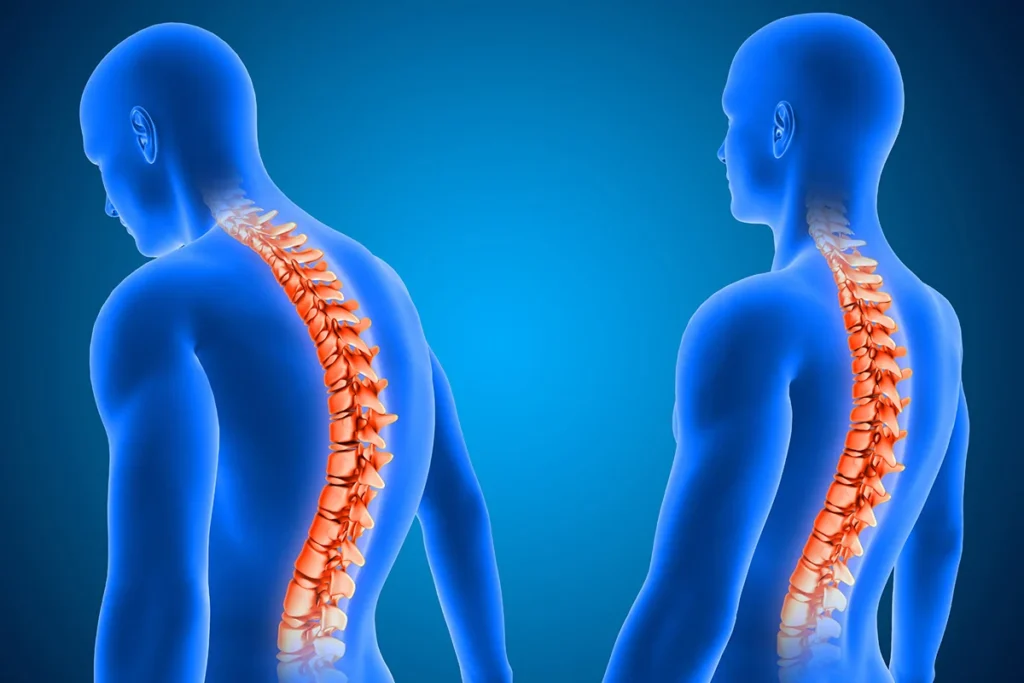
Neck pain frequently develops among people who work on computers or mobile devices for extended hours. Forward head posture places additional strain on the cervical spine and surrounding muscles. This posture increases muscle tension and reduces neck and shoulder flexibility. Over time, persistent neck strain may contribute to headaches, shoulder discomfort, or tingling sensations in the arms. Addressing posture and movement habits early helps reduce ongoing stress on the cervical spine and supports better comfort during daily tasks.
Spinal Stiffness and Limited Flexibility
Reduced physical activity impairs joint mobility and soft-tissue flexibility around the spine. Stiffness often develops gradually and can make bending, twisting, or standing uncomfortable. Many people notice a reduced range of motion after sitting for long periods without breaks. Limited flexibility also increases the risk of injury during sudden movements. Controlled stretching, regular movement and posture correction support gradual improvement. Individuals with ongoing stiffness may benefit from personalised advice from a spine specialist based in cities like Delhi, especially when daily activities become difficult.
Early Symptoms That Need Attention
Spine-related problems linked to inactivity rarely appear suddenly. Symptoms usually develop gradually and may worsen if left untreated. Common signs include:
- Persistent back or neck discomfort
- Stiffness after long sitting periods
- Pain that spreads to the arms or legs
- Muscle tightness around the spine
- Reduced ability to bend or rotate comfortably
Recognising these symptoms early allows individuals to take corrective action before the condition progresses.
Practical Steps to Support Spine Health
Protecting the spine does not require intense exercise or major lifestyle changes. Small, consistent adjustments reduce strain and support recovery. Helpful measures include:
- Taking short movement breaks during long sitting hours
- Adjusting seating to support natural spinal alignment
- Strengthening core and back muscles gradually
- Maintaining a neutral posture while working or using screens
These steps help distribute spinal load more evenly and improve long-term comfort.
When is a Professional Evaluation Important
Pain that persists despite posture changes and movement adjustments requires professional assessment. Symptoms such as numbness, weakness or sharp, radiating pain may indicate nerve involvement and should not be ignored. Early assessment helps identify the cause accurately and prevents unnecessary progression of spine problems.
Conclusion
Sedentary lifestyles place continuous stress on the spine through reduced movement, prolonged sitting and poor posture. Over time, these habits contribute to lower back pain, disc issues, neck strain and reduced flexibility. Recognising early symptoms and understanding the underlying causes allows individuals to take timely steps to protect spinal health. Simple daily adjustments, combined with professional guidance when required, help maintain mobility, comfort, and overall quality of life while reducing the long-term impact of inactivity.