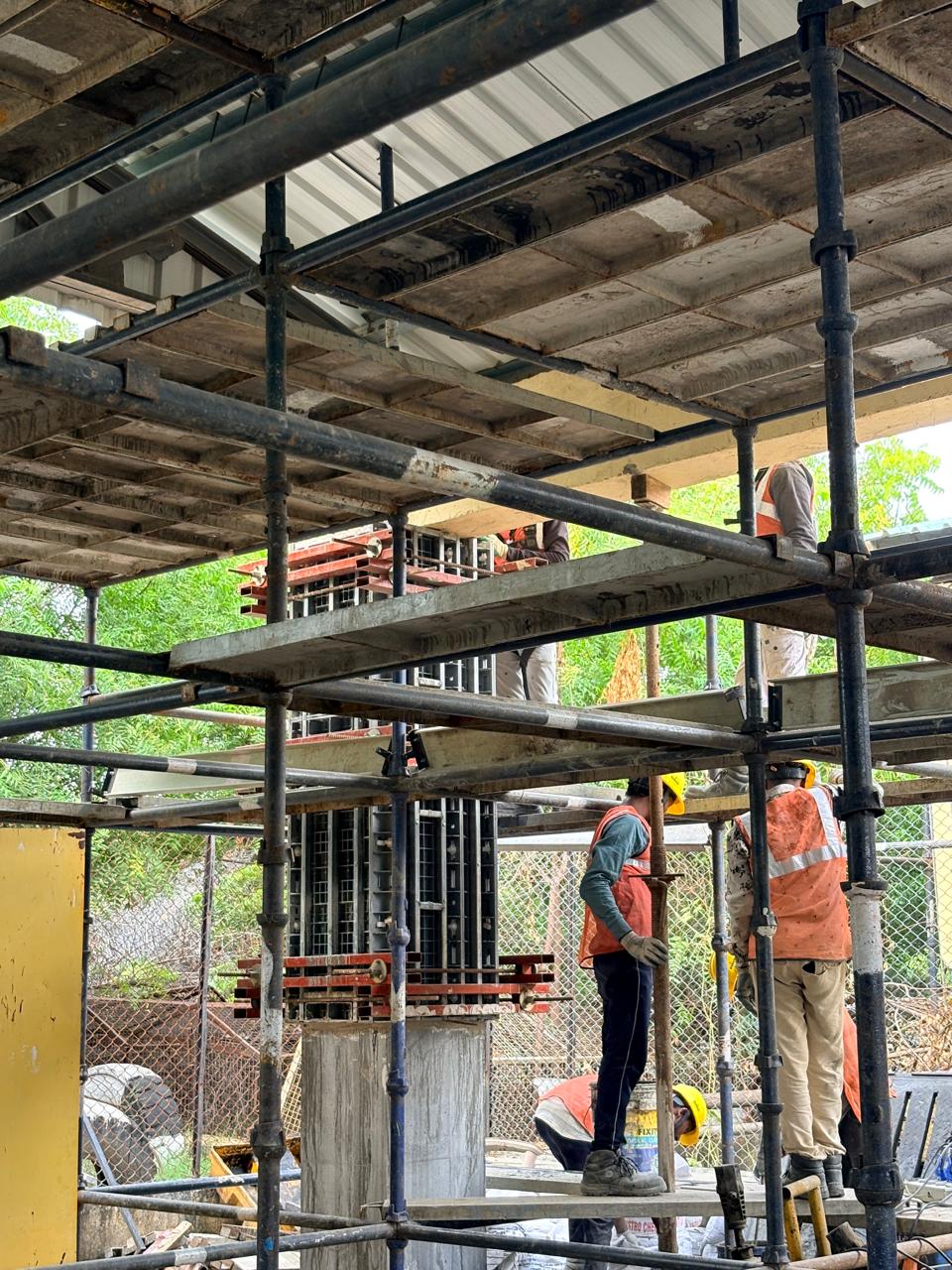
Buildings age over time due to weather exposure, material fatigue, poor construction practices, and changing load conditions. Small cracks or damp patches may look harmless initially but often signal deeper structural concerns. Timely structural repair services protects occupants, extends building life, and prevents costly failures. Property owners today actively search for reliable solutions that focus on safety, compliance, and long-term performance rather than quick cosmetic fixes.
What Structural Repair Contractors Actually Do
Structural repair contractors specialize in identifying and restoring damaged load-bearing elements in buildings. Their work goes beyond surface-level patching and focuses on strengthening columns, beams, slabs, and foundations. They study structural drawings, assess damage patterns, and apply engineered repair methods. These professionals ensure the building regains its original strength while meeting current safety standards and usage requirements.
Common Causes of Structural Damage in Buildings
Structural damage usually develops due to water seepage, corrosion of reinforcement, foundation settlement, seismic activity, and overloading. In coastal and high-humidity areas, chloride-induced corrosion accelerates RCC deterioration. Poor drainage systems and neglected maintenance further weaken structures. Over time, these factors reduce load capacity, making early diagnosis and planned repair essential for residential, commercial, and industrial buildings.
Early Warning Signs You Should Never Ignore
Cracks widening over time, exposed reinforcement bars, sagging slabs, uneven floors, and persistent leakage are strong warning signs. Doors or windows that suddenly stop aligning can also indicate movement within the structure. Ignoring these symptoms often leads to extensive damage and higher repair costs. Early consultation with experienced professionals helps prevent minor issues from becoming structural failures.
Importance of Structural Audits Before Repairs
A structural audit is the foundation of any effective repair strategy. It involves visual inspections, non-destructive testing, and material evaluation. The goal is to identify root causes rather than treat symptoms. A proper audit helps define the repair scope, estimate lifespan improvement, and choose suitable materials. This step ensures repairs are technically sound and economically justified.
Understanding RCC Structural Repairs
RCC structural repairs focus on restoring reinforced cement concrete elements affected by cracks, corrosion, or spalling. Techniques include micro-concreting, epoxy injection, polymer-modified mortars, and reinforcement treatment. The repair approach depends on damage severity and load requirements. Proper RCC repair improves durability, restores load-bearing capacity, and protects steel reinforcement from future corrosion.
Difference Between Structural Repair and Cosmetic Repair
Cosmetic repairs improve appearance but do not address structural integrity. Structural repairs, on the other hand, restore strength and stability. Painting over cracks or plastering damaged areas may hide problems temporarily. Without proper structural treatment, damage continues beneath the surface. Understanding this difference helps property owners make informed decisions and avoid repeated repair expenses.
Role of Engineering Design in Structural Repairs
Engineering design plays a critical role in successful structural rehabilitation. Repair solutions are calculated based on load distribution, material compatibility, and future usage. Structural engineers design repair systems that integrate with existing elements without overstressing them. This ensures repairs do not create new weaknesses and that the structure performs safely for years to come.
Modern Materials Used in Structural Repair Works
Advanced materials have transformed the repair industry. Epoxy resins, fiber-reinforced polymers, corrosion inhibitors, and shrinkage-compensated grouts offer superior strength and durability. These materials improve bonding, reduce downtime, and enhance structural performance. Choosing the right material depends on exposure conditions, structural role, and expected service life of the building.
Why Timely Building Structural Repair Saves Money
Delaying Building structural repair increases damage spread and repair complexity. Early intervention limits deterioration, reduces material consumption, and avoids large-scale retrofitting. Planned repairs are always more cost-effective than emergency restoration. Property owners who act early also reduce safety risks and maintain asset value, especially in high-occupancy or commercial buildings.
Structural Repair for Residential Buildings
Residential buildings face structural issues due to aging, water leakage, and poor waterproofing. Timely repair ensures occupant safety and compliance with housing regulations. Strengthening balconies, slabs, and columns improves overall building health. Well-maintained structures also retain market value, making structural repair an essential part of long-term property ownership.
Structural Repair Solutions for Commercial Properties
Commercial buildings carry higher loads and experience constant usage. Structural damage can disrupt operations and pose serious safety risks. Repairs in such buildings require careful planning to minimize downtime. Techniques like phased repairs and rapid-setting materials help restore strength while keeping business activities functional during the repair process.
Industrial Structural Repair Requirements
Industrial structures are exposed to heavy machinery loads, vibrations, chemicals, and thermal stress. Structural repair in industrial environments demands specialized methods and materials. Strengthening foundations, machine supports, and slabs ensures operational safety. Repairs must align with industrial standards and future expansion plans to maintain uninterrupted productivity.
Waterproofing as a Supporting Structural Measure
Waterproofing plays a vital supporting role in structural longevity. Water ingress accelerates steel corrosion and concrete deterioration. Integrating waterproofing with structural repair protects restored areas from future damage. This combined approach significantly extends repair life and reduces recurring maintenance issues caused by moisture penetration.
Compliance and Safety Standards in Structural Repair
Structural repair work must comply with local building codes and safety regulations. Proper documentation, testing, and quality control ensure legal compliance and occupant safety. Contractors following standard practices deliver repairs that withstand inspections and audits. Compliance also provides peace of mind to owners and stakeholders.
How Structural Repair Extends Building Lifespan
Well-executed structural repairs can extend a building’s lifespan by decades. Strengthened elements perform closer to original design capacity. Repairs also slow down future deterioration by addressing root causes. This approach delays redevelopment needs and supports sustainable construction by maximizing the use of existing structures.
Choosing the Right Structural Repair Approach
Each building requires a customized repair strategy. Factors such as age, usage, damage extent, and environmental exposure influence the chosen method. A tailored approach avoids over-repairing or under-repairing. Proper planning ensures durability, safety, and cost efficiency while aligning repairs with long-term building goals.
Challenges Faced During Structural Repair Projects
Structural repairs often involve limited access, occupied buildings, and hidden damage. Unexpected findings during execution may require design adjustments. Experienced planning and skilled workmanship help manage these challenges. Clear communication between engineers, contractors, and owners ensures smooth execution and quality outcomes.
Preventive Maintenance After Structural Repairs
Post-repair maintenance is essential to preserve restored strength. Regular inspections, drainage checks, and waterproofing upkeep prevent recurrence of damage. Preventive maintenance reduces long-term costs and helps detect early signs of stress. Buildings that follow maintenance schedules perform better and require fewer major repairs over time.
Long-Term Benefits of Professional Structural Repair
Professional structural repair enhances safety, compliance, and durability. It improves structural performance while protecting occupants and investments. Quality repairs reduce future repair frequency and improve confidence in building reliability. Over time, these benefits far outweigh the initial repair cost, making structural repair a strategic decision.
Future of Structural Repair and Rehabilitation
The future of structural repair lies in smart diagnostics, advanced materials, and sustainable practices. Non-destructive testing and data-driven assessments improve accuracy. Eco-friendly repair solutions support green construction goals. As cities grow denser, structural repair will play a key role in extending the life of existing buildings safely.
Structural repair is not just about fixing visible damage but about restoring confidence in a building’s safety and performance. With proper assessment, engineered solutions, and quality execution, buildings can remain functional and secure for decades. Understanding repair processes helps property owners make informed, timely decisions that protect both lives and investments.