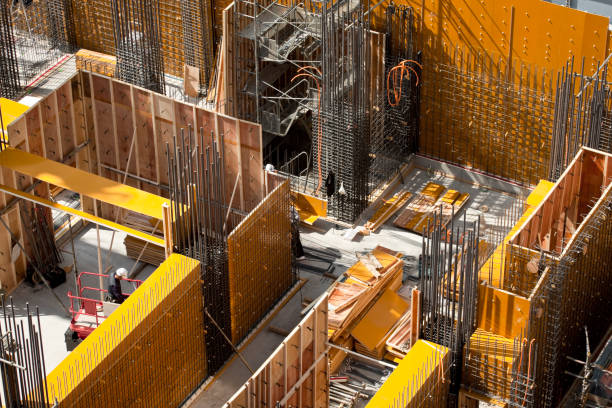
Intricate steel frameworks are a defining feature of modern superstructure construction projects.
Superstructure Construction: 9 Essential Stages for Safe Structures
Superstructure construction is the phase of building work that forms the visible and usable part of a structure above ground level. It plays a major role in determining how safe, stable, and durable a building will be over time. Careful planning and correct sequencing during this stage help ensure that structural loads are transferred efficiently and that the building performs well under everyday use and environmental stress.
This article explains the nine essential stages involved in developing safe and reliable structures, focusing on practical execution and quality control.
What Is Superstructure Construction?
Superstructure construction refers to all structural elements built above the plinth level of a building. These elements include columns, beams, slabs, walls, staircases, and roof systems. Together, they create functional spaces while safely transferring loads to the foundation.
A clear understanding of this phase helps reduce construction errors, supports better coordination between trades, and improves overall structural performance during and after construction.
Why This Stage Is Critical in Building Projects
The above-ground structural phase is critical because it:
-
Supports dead loads from the structure itself
-
Carries live loads from occupants, furniture, and equipment
-
Resists wind, seismic, and environmental forces
-
Maintains alignment and balance throughout the building
Mistakes made during this stage may lead to cracking, deflection, moisture issues, or long-term safety concerns that are costly to repair.
Superstructure Construction: 9 Essential Stages
1. Column Formation
Columns act as vertical load-bearing members that transfer loads from upper floors to the foundation. Accurate alignment, correct reinforcement detailing, and good concrete quality are essential to prevent uneven load distribution and structural weakness.
2. Beam Installation
Beams connect columns and distribute loads horizontally across the structure. Proper formwork, reinforcement placement, and curing ensure structural integrity and prevent bending or shear failure over time.
3. Slab Development
Slabs form floors and roof surfaces. Adequate thickness, reinforcement spacing, and curing practices help slabs withstand live loads without excessive deflection or cracking.
4. Wall Assembly
Walls may be load-bearing or act as partitions depending on design requirements. Good masonry practices improve strength, thermal performance, sound insulation, and long-term durability.
5. Staircase Construction
Staircases allow safe vertical movement between floors. Proper rise and tread proportions, reinforcement detailing, and surface finishing enhance usability, comfort, and safety.
6. Lintel and Sunshade Placement
Lintels support masonry above doors and windows, while sunshades protect openings from weather exposure. These elements help distribute loads effectively and reduce direct impact from rain and sunlight.
7. Roof System Development
Roof structures complete the main load-bearing framework. They must withstand weather conditions such as wind and rainfall while ensuring proper drainage and thermal performance.
8. Surface Finishing Works
Plastering and surface protection help prevent moisture penetration, surface deterioration, and minor cracks. This stage also prepares the structure for further interior and exterior finishes.
9. Inspection and Quality Control
Final inspections verify alignment, reinforcement placement, curing quality, and material compliance. Regular checks at this stage ensure the structure meets safety standards and design specifications.
Structural Systems Used Above Ground
Buildings may use reinforced concrete frames, steel structures, or masonry systems depending on design requirements and load conditions. A detailed explanation of components and classifications is available in this resource on types, components, and importance of the building superstructure, which provides helpful technical insight without promotional intent.
Compliance and Industry Requirements
Construction projects must also follow safety regulations, labor rules, and taxation guidelines. Understanding processes such as Construction Industry Scheme registration helps professionals remain compliant throughout project execution and documentation.
Conclusion
Superstructure construction directly influences the safety, strength, and lifespan of a building. By following the nine essential stages in the correct sequence and maintaining consistent quality checks, construction professionals can reduce structural risks and ensure long-lasting performance. Careful execution during this phase forms the backbone of safe and dependable structures.