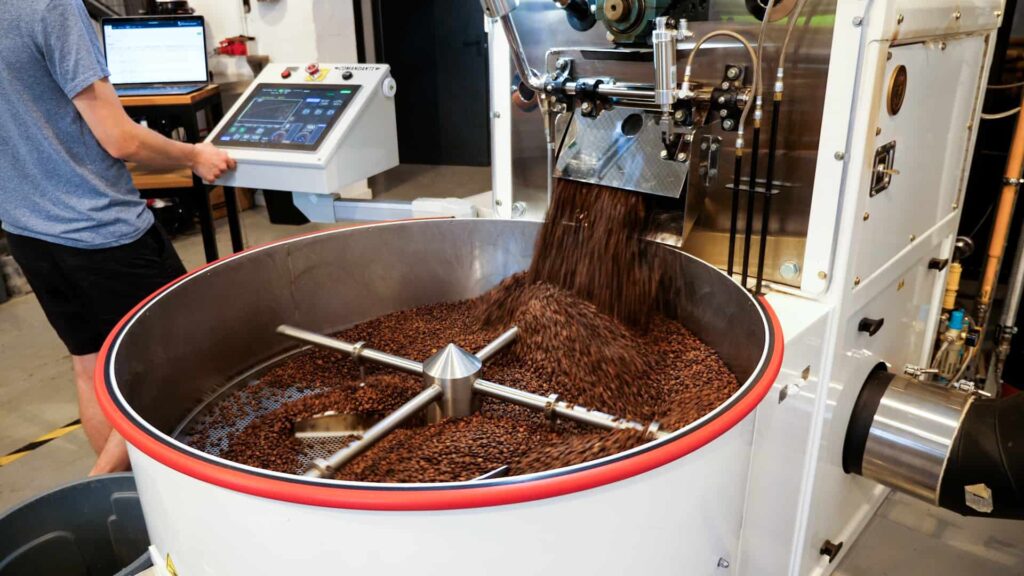
When most people think of coffee, they imagine dark brown beans, rich aroma, and a comforting cup that fuels their mornings. But before coffee reaches your mug, it begins its journey as something far more extraordinary—green coffee beans. These raw, unroasted seeds hold unique benefits, fascinating natural qualities, and a rising popularity in both wellness and specialty coffee industries. From their nutritional potential to their role in sustainability, green coffee beans are reshaping the way we understand and experience coffee.
This article explores what makes green coffee beans so special, why the world is paying more attention to them, and how they could influence the future of both health and coffee culture.
What Are Green Coffee Beans?
Green coffee beans are simply unroasted coffee beans, harvested from the coffee plant while still in their raw, natural state. Unlike roasted beans—where heat transforms flavor, aroma, and color—green beans maintain their original chemical composition.
Why They Matter
- They are rich in chlorogenic acids, powerful antioxidants.
- They are the starting point for all specialty coffee flavor profiles.
- Their raw form is essential for anyone exploring coffee roasting at home or commercially.
- They play a crucial role in global coffee trade, determining flavor outcomes long before roasting.
Understanding green coffee beans means understanding coffee at its purest level.
The Nutritional Power of Green Coffee Beans
One of the biggest reasons green coffee beans are receiving global attention lies in their nutritional value.
High Level of Chlorogenic Acids
Chlorogenic acids (CGAs) are antioxidants believed to:
- Help reduce inflammation
- Support metabolism
- Improve glucose regulation
- Potentially assist in weight management
While roasting reduces the level of CGAs, green coffee beans preserve them naturally.
Lower Caffeine Content
Green coffee beans have slightly lower caffeine levels compared to roasted coffee, making them appealing for people who want the benefits of coffee without excessive stimulation.
Natural Anti-Inflammatory Properties
Many wellness experts point to green coffee beans as a natural anti-inflammatory source, making them popular in supplements, teas, and extract-based products.
The Global Boom: Why Everyone Is Talking About Green Coffee Beans
The wellness market has ignited a surge in demand for green coffee beans, especially due to their use in dietary supplements. But beyond health trends, there are deeper reasons behind their growing popularity.
1. Rising Interest in Home Roasting
Coffee lovers want to explore the craft behind their brew. Green beans give home roasters:
- Control over flavor development
- The ability to experiment with roast profiles
- Beans that stay fresh longer than roasted ones
2. Sustainability and Transparency
Green coffee beans reflect the origin story of coffee. More consumers care about:
- Fair trade
- Ethical farming
- Environmental sustainability
Green beans make it easier for buyers to identify origins, farming practices, and freshness.
3. Specialty Coffee Movement
Cafés and roasters worldwide are highlighting:
- Single-origin green beans
- Rare bean varieties
- Unique flavor profiles based on soil and climate
Green beans allow for unmatched flavor customization that roasted beans alone cannot provide.
How Green Coffee Beans Are Processed
Before green coffee beans arrive at roasters or consumers, they go through a detailed journey:
1. Harvesting
Typically hand-picked for quality control, cherries are selected when perfectly ripe.
2. Processing Methods
Different processing methods directly impact flavor:
- Washed: Clean, bright acidity
- Natural: Fruity, sweet, fuller body
- Honey: Balanced sweetness and acidity
3. Drying
Beans are dried under the sun or in mechanical dryers, reducing moisture to safe levels.
4. Sorting and Grading
Beans are evaluated for:
- Size
- Density
- Color
- Defects
This grading process is crucial, as it determines quality and price in the global market.
Understanding these steps reveals how green coffee beans influence the final cup long before roasting.
Using Green Coffee Beans: More Than Just for Roasting
1. Green Coffee Extract
Green coffee extract is widely used in supplements because of its:
- Antioxidants
- Chlorogenic acids
- Potential metabolic benefits
It’s commonly consumed in capsule or powdered form.
2. Green Coffee Tea
Steeping green coffee beans or crushed raw beans creates a light, herbal beverage with:
- Mild caffeine
- Antioxidant properties
- A refreshing, earthy flavor
3. Cosmetic and Skincare Use
Green coffee bean oil is gaining popularity in skincare products due to its:
- Anti-aging properties
- Anti-inflammatory effects
- Natural moisturizing ability
Choosing High-Quality Green Coffee Beans
If you want the best results—whether roasting or consuming—quality matters. Consider:
Origin
Different regions produce different flavor notes:
- Ethiopia: fruity, floral
- Colombia: balanced, bright
- Brazil: nutty, chocolatey
- Vietnam: earthy, bold
Freshness
Green beans stay fresh longer but still degrade over time. Look for beans harvested recently.
Moisture Content
Ideal moisture is about 10–12% for proper roasting.
Smell and Appearance
Avoid beans with:
- Mold
- Uneven color
- Cracked or broken pieces
Sourcing
Choose reputable suppliers focused on:
- Fair wages
- Sustainable farming
- Transparent supply chains
How to Roast Green Coffee Beans at Home
Home roasting is becoming a global trend because it turns anyone into a coffee artist.
Basic Steps
- Choose your beans based on origin and flavor preference.
- Heat your roaster or skillet to the right temperature.
- Roast until desired level (light, medium, dark).
- Cool the beans to stop roasting.
- Store them properly in an airtight container.
Flavor Control
- Light roasts highlight acidity and floral notes.
- Medium roasts create balance and sweetness.
- Dark roasts are bold, rich, and smoky.
Green coffee beans let you decide exactly how your coffee should taste.
A Thought-Provoking Look Ahead: The Future of Green Coffee Beans
As the world faces climate change, evolving tastes, and increasing interest in wellness, green coffee beans may become more essential than ever. They represent more than an ingredient—they embody the beginning of a journey that connects farmers, roasters, innovators, and consumers.
With rising demand for transparency, health-driven choices, and sustainable sourcing, green coffee beans could shape the next chapter of global coffee culture. Their potential stretches far beyond the roasting process—they may lead to agricultural innovations, healthier beverage trends, and a stronger focus on ethical trade.
Perhaps the biggest question moving forward is this:
How can we protect and maintain the quality of green coffee beans in a rapidly changing world while continuing to enjoy the coffee we love?
Only time will tell, but one thing is clear—green coffee beans hold the future of coffee in their raw, powerful form.