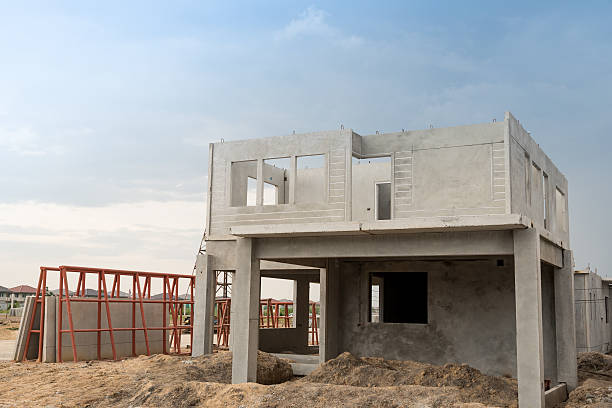
Building a house sounds exciting. New walls. Fresh paint. A kitchen that doesn’t smell like the last owner’s fish curry. But once the dust starts flying, reality hits. Delays. Confusion. Decisions you didn’t think you’d have to make. And people telling you, “Trust the process.” That’s where most homeowners mess up. Trusting blindly. If you’re working with home building companies in Houston residents often turn to, quality doesn’t come from luck. It comes from watching closely and speaking up. Early. And often.
Set Expectations Before the First Nail Goes In
Quality starts way before construction. It starts with conversations. Clear ones. If your builder says, “We’ll handle everything,” ask what that actually means. Materials. Timeline. Inspections. Who shows up every day? You want details, not promises wrapped in nice words. Write everything down. Not just the price. The scope. The finishes. The kind of windows. The brand of plumbing fixtures. This stuff matters later when someone says, “That wasn’t included.” And you’re standing there thinking… yes, it was. I remember saying it out loud. Not my proudest moment. Good builders don’t mind questions. Bad ones rush past them.
Don’t Assume Inspections Mean Perfect Work
City inspections are important. But they’re not personal. Inspectors look for code compliance, not craftsmanship. Big difference. A wall can be legal and still crooked. Wiring can pass and still be sloppy. You need your own checks. Hire an independent inspector during key phases. Foundation. Framing. Pre-drywall. Final walk-through. It costs extra, yes. But fixing mistakes later costs more. And more stress. You don’t want to discover problems after moving your couch in. Quality control is not rude. It’s responsible.
Walk the Site Often (Even If It’s Awkward)
If you can, visit the site regularly. Not to hover. Just to look. Notice patterns. Are workers rushing? Is trash piling up? Are materials sitting uncovered in the rain? These small things tell you a lot. Ask simple questions. “What’s going on here?” “Is that temporary?” You don’t need to sound like an engineer. Curiosity keeps everyone honest. Most crews respect homeowners who show interest. Silence can look like permission. And yes, sometimes it feels awkward. Do it anyway.
Know the Materials, Not Just the Look
A countertop isn’t just a countertop. Same with flooring, insulation, and roofing. There’s cheap, and then there’s durable. Learn the difference. Not every upgrade is worth it, but some are. Structural things. Things behind the walls. Things you can’t change easily later. Builders might push what’s easiest for them. You need what’s best for your life. Kids? Pets? Weather? These choices should match your reality, not a showroom display. Quality homes aren’t just pretty. They age well.
Communication Beats Conflict Every Time
Most problems start small. A missed outlet. A wrong paint shade. A door opening the wrong way. If you wait too long, it becomes a fight. Speak early. Calmly. Direct. Say what you see. Not what you feel. “This doesn’t match the plan.” works better than “You messed this up.” Builders are human. Crews change. Mistakes happen. The difference is how fast they get corrected. Weekly check-ins help. Even a short call. Keeps things from drifting off track.
Document Everything (Yes, Even the Boring Stuff)
Photos. Emails. Notes. Keep them. Label them. You’ll forget things later. Everyone does. Memory gets fuzzy when stress shows up. Take pictures of wiring before drywall. Plumbing lines. Insulation. If something leaks a year later, you’ll know where to look. Documentation protects both sides. It keeps arguments shorter and solutions faster. It’s not about distrust. It’s about clarity.
Quality Isn’t Just for New Builds
Here’s something people overlook. The same standards apply if you’re remodeling part of your home. Especially kitchens. This is where shortcuts hide easily. Cabinets look fine until doors sag. The tile looks nice until the grout cracks. If you’re doing a kitchen renovation in Houston, TX, quality checks matter just as much as with new construction. Maybe more. Old homes bring surprises. Pipes where you don’t expect them. Floors that aren’t level. A good contractor slows down here. A rushed one covers problems and moves on. That’s how “small projects” become big regrets.
Final Walkthrough: Slow Down
The final walkthrough is not a celebration. It’s an inspection. Take your time. Open every door. Turn on every light. Run water in every sink. Look at corners. Look at seams. Look under sinks. Bring your contract and checklist. If something feels off, write it down. Don’t accept vague answers. Fixes should be scheduled, not promised casually. This is your leverage moment. Use it kindly, but firmly. A rushed final walk leads to long-term frustration.
Conclusion
Ensuring quality during the home-building process isn’t about being difficult. It’s about being involved. Asking questions. Paying attention. Making decisions with your eyes open. Builders do their job. Homeowners must do theirs, too. The best homes come from partnership, not blind trust.Whether you’re overseeing a full build or a kitchen renovation in Houston TX, you don’t need to micromanage every screw. But you do need to care. Show up. Speak up. And remember, this is your house. You’ll live with the results long after the crew packs up and leaves.

