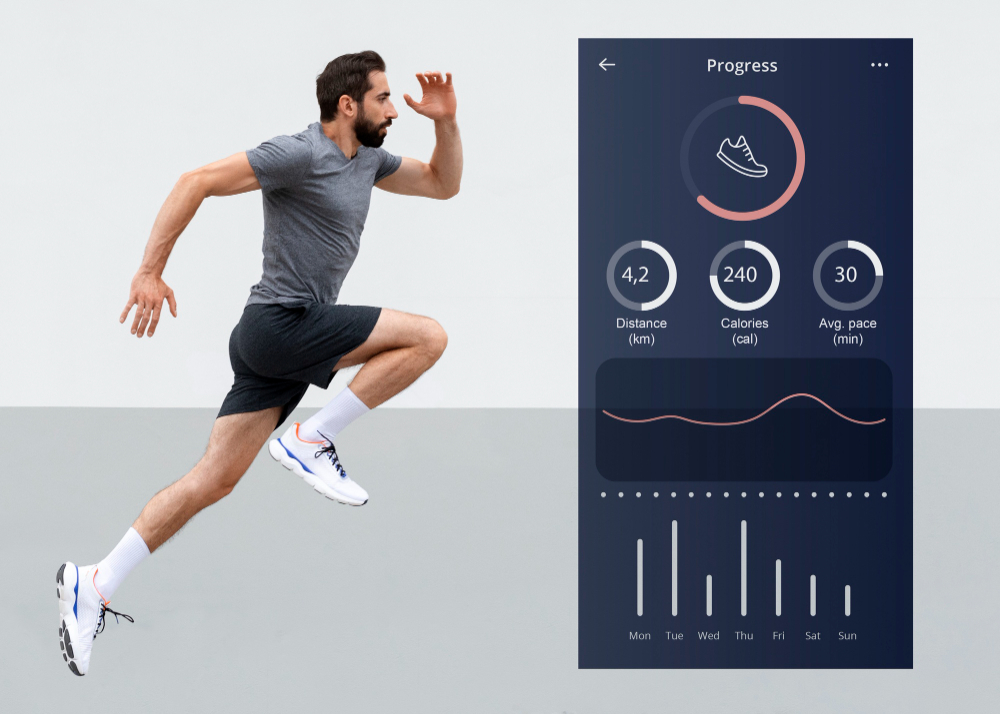
The global sports industry is undergoing a structural digital transformation. From real-time match analytics to AI-driven fan engagement and immersive streaming, mobile applications are now at the center of how audiences consume sports content. Recent market analyses show that sports tech investments continue to grow at double-digit rates, fueled by fantasy platforms, direct-to-consumer streaming, wearable integrations, and data monetization strategies.
For founders, sports organizations, and CTOs evaluating digital expansion, sports mobile app development is no longer optional—it is a strategic asset. Whether you are building a fantasy league platform, a live score app, a team management solution, or a large-scale event platform, success depends on choosing the right features, architecture, and monetization model.
This comprehensive guide breaks down:
-
Market potential and investment viability
-
Essential and advanced features
-
Development lifecycle and best practices
-
Recommended tech stack
-
Cost breakdown and scalability planning
-
Monetization strategies
-
How to build an advanced Olympic sporting event tool
The objective is to provide a decision-grade blueprint—not just high-level advice.
Sports Mobile App Development: Market Overview & Business Potential
The sports technology ecosystem has evolved beyond simple score-tracking apps. Today’s market includes fantasy sports platforms, sports betting ecosystems, AI analytics engines, wearable performance trackers, AR/VR fan engagement experiences, and event management systems.
The commercial opportunity is substantial. Mobile-first consumption habits have reshaped fan behavior:
-
Fans expect instant updates and interactive content
-
Teams want direct digital engagement channels
-
Sponsors seek measurable ROI through in-app advertising
-
Broadcasters aim for integrated streaming experiences
The rise of subscription-based sports media and data licensing agreements further increases long-term revenue potential.
From a business standpoint, sports mobile app development allows organizations to:
-
Own their audience relationship
-
Collect first-party user data
-
Monetize engagement through subscriptions and ads
-
Reduce reliance on third-party platforms
Investors particularly value sports apps with strong retention metrics because sports fandom typically exhibits long-term loyalty. Unlike many verticals, sports engagement is recurring and event-driven, providing predictable spikes in user activity.
Also Read – Sports Betting App Development UAE: Complete Legal & Tech Guide
Types of Sports Mobile Applications
Understanding the category you are building for is critical because architecture, compliance, and monetization vary significantly.
Live Score Applications focus on delivering real-time updates with minimal latency. These platforms rely heavily on data APIs and WebSocket implementations.
Fantasy Sports Applications require user account systems, wallet integrations, prediction engines, and complex scoring algorithms. Regulatory compliance may apply depending on the region.
Sports Betting Applications demand robust security layers, fraud detection systems, payment gateway integrations, and strict legal adherence.
Team Management Applications serve coaches, academies, and leagues. They prioritize scheduling, roster management, and communication tools.
Fitness and Training Applications integrate wearable devices, performance tracking dashboards, and AI-based recommendations.
Ticket Booking and Event Apps combine seat selection systems, payment gateways, QR ticket validation, and crowd analytics.
AR/VR Sports Applications focus on immersive experiences, requiring advanced graphics engines and high-performance backend support.
Each category influences development complexity and cost structure.
Must-Have Features in a Sports Mobile App
Features determine user retention. Modern sports audiences expect more than static information—they expect interactive and intelligent experiences.
Core features must include user authentication, personalized dashboards, real-time score updates, push notifications, and search functionality. These provide baseline usability and ensure recurring engagement.
Advanced engagement features dramatically increase stickiness. AI-powered match predictions, gamification modules, leaderboard systems, and social community integration transform passive viewers into active participants. Data analytics tools also allow users to compare performance metrics and historical results.
Premium revenue features include subscription models, in-app purchases, live streaming integration, and dynamic advertising placements. These features directly impact ROI and require early-stage planning during architecture design.
Security and performance features are equally important. Real-time updates must be delivered with minimal latency. Payment processing must comply with PCI DSS standards. Cloud infrastructure should auto-scale during high-traffic events.
Feature prioritization should follow a phased rollout model:
-
MVP with core functionality
-
Phase 2 with engagement features
-
Phase 3 with monetization optimization
This prevents over-investment before market validation.
Step-by-Step Sports App Development Process
A structured development lifecycle reduces risk and improves time-to-market. Successful sports app development projects follow a strategic framework rather than jumping directly into coding.
Market research and competitor analysis come first. Analyze leading platforms, user reviews, feature gaps, and monetization models. Identify underserved segments.
UI/UX design is critical in sports apps because information density can overwhelm users. Dashboards must be intuitive, with clear visual hierarchies and real-time refresh capabilities.
Backend architecture planning determines scalability. Sports apps experience traffic spikes during live events. Designing for peak load, not average load, is essential.
Development typically follows Agile methodology. Sprints allow iterative improvements and feature validation.
Testing must include performance testing under simulated traffic spikes. Real-time synchronization must be validated under stress.
Deployment requires App Store Optimization (ASO) strategies and monitoring tools for crash reporting and analytics.
Post-launch maintenance involves API updates, bug fixes, performance optimization, and feature expansion.
Sports app development is not a one-time project—it is an evolving digital product.
Technology Stack for Sports App Development
Selecting the right technology stack influences performance, scalability, and cost efficiency.
For frontend development, Swift remains optimal for native iOS apps due to performance and security advantages. Kotlin is preferred for Android development. Cross-platform frameworks such as Flutter and React Native reduce development time but may require additional optimization for real-time features.
Backend technologies often include Node.js for event-driven architecture, Python frameworks for data-heavy applications, or Ruby on Rails for rapid deployment.
Real-time functionality relies on WebSockets, Firebase Realtime Database, or Socket.IO implementations. Sports data APIs such as Opta or SportRadar provide licensed match statistics and analytics.
Cloud infrastructure typically involves AWS, Google Cloud, or Microsoft Azure. Auto-scaling groups and content delivery networks (CDNs) are mandatory for handling peak traffic.
Security layers include encryption protocols, OAuth authentication, multi-factor authentication, and compliance measures like GDPR.
Below is a simplified tech stack comparison:
| Layer | Recommended Technologies | Purpose |
|---|---|---|
| Frontend | Swift, Kotlin, Flutter | User interface |
| Backend | Node.js, Django | Data processing |
| Database | PostgreSQL, MongoDB | Data storage |
| Real-Time | WebSockets, Firebase | Live updates |
| Cloud | AWS, GCP | Scalability |
| Security | SSL, OAuth 2.0 | Data protection |
Choosing the correct stack requires alignment with long-term product goals.
How Much Does Sports App Development Cost?
Cost estimation depends on complexity, feature set, and infrastructure requirements.
A basic sports app with live scores and user profiles may range between $20,000 and $40,000. Mid-level apps with real-time data integration and subscription systems often cost between $40,000 and $80,000. Advanced platforms with streaming, AI analytics, and betting integrations can exceed $150,000.
Key cost factors include:
Feature complexity significantly impacts development hours.
Real-time data integration requires licensed APIs.
Streaming capabilities demand high-performance infrastructure.
UI/UX customization increases design time.
Security compliance adds development layers.
Ongoing costs must also be budgeted. These include cloud hosting, API subscriptions, maintenance updates, marketing campaigns, and app store fees.
Many founders underestimate infrastructure costs during major sporting events. Auto-scaling and CDN usage may significantly increase operational expenses during peak periods.
Strategic budgeting requires a total cost of ownership (TCO) model rather than focusing solely on initial build cost.
Monetization Strategies for Sports Apps
Revenue generation determines long-term sustainability. Sports apps commonly implement multiple monetization channels simultaneously.
Subscription models provide predictable recurring revenue. Freemium tiers allow users to access basic features while charging for premium analytics or ad-free experiences.
Advertising and sponsorship placements generate revenue during live events. Dynamic ad insertion increases advertiser ROI.
Affiliate partnerships with ticket vendors, merchandise retailers, or streaming platforms create additional revenue streams.
Emerging monetization methods include digital collectibles and NFT-based fan engagement programs.
The most successful platforms align monetization strategy with user behavior rather than forcing intrusive revenue models.
Click – Get a better result by choosing us as your source
Challenges in Sports App Development and How to Overcome Them
Real-time latency remains the most significant technical challenge. Implementing efficient caching strategies and WebSocket connections reduces delay.
Traffic spikes during major matches can overload servers. Cloud auto-scaling solutions mitigate this risk.
Licensing restrictions for sports data and streaming rights require legal consultation.
Security threats such as DDoS attacks demand proactive monitoring and firewall protection.
Scalability planning should be incorporated at the architectural level rather than retrofitted later.
Experienced development teams anticipate these challenges early and design accordingly.
Case Study Insights from Successful Sports Apps
High-performing sports platforms share common characteristics. They prioritize user engagement metrics, invest heavily in performance optimization, and continuously release feature updates.
Fantasy platforms typically integrate gamification elements that encourage daily interaction.
Live score apps emphasize speed and minimal interface clutter.
Fitness sports apps leverage AI analytics to personalize training programs.
The underlying lesson is consistent: feature alignment with audience expectations drives retention.
Building an Olympic Sporting Event Tool: Key Considerations
An olympic sporting event tool differs from standard sports applications due to its scale and complexity. It must manage multiple sports disciplines, time zones, languages, and global audiences simultaneously.
Core features include real-time medal tally tracking, athlete performance analytics, event scheduling, venue maps, and streaming synchronization.
Scalability requirements are significantly higher because traffic spikes occur globally and unpredictably.
Infrastructure must incorporate CDN networks, auto-scaling cloud clusters, and multi-region redundancy.
Security becomes mission-critical due to international exposure.
Planning such a tool requires enterprise-level architecture and strategic vendor partnerships.
Future Trends in Sports Mobile Applications
Artificial intelligence will continue transforming sports analytics and fan personalization. Predictive analytics models are already enhancing engagement rates.
AR and VR technologies will create immersive match-viewing experiences.
Blockchain ticketing will reduce fraud and enhance transparency.
Wearable integrations will generate real-time athlete data streams.
Hyper-personalization using machine learning will tailor content feeds to individual preferences.
Sports mobile app development is entering an era where data, interactivity, and immersion converge.
Strategic Planning Framework for Long-Term Sports App Success
Building a sports application is not purely a technical initiative; it is a long-term product strategy decision. Many platforms fail not because of poor development, but because of inadequate product-market alignment and weak retention planning. In the context of sports mobile app development, strategic foresight separates scalable platforms from short-lived launches.
The first strategic layer involves audience segmentation. A fantasy sports audience behaves differently from a casual score-checking audience. Power users demand advanced analytics dashboards, while casual fans prioritize simplicity and speed. Understanding engagement depth influences both feature prioritization and monetization design.
The second layer is lifecycle monetization mapping. Rather than relying solely on subscriptions, successful platforms structure multi-layer revenue funnels. For example, a free tier may drive mass acquisition, a mid-tier subscription unlocks predictive analytics, and premium event access integrates live streaming or exclusive content. This layered model increases Average Revenue Per User (ARPU) while minimizing churn.
The third strategic pillar is retention engineering. Sports apps operate in cyclical engagement waves based on seasons and tournaments. Implementing automated push notification workflows, AI-personalized content feeds, and predictive re-engagement campaigns helps maintain activity during off-seasons.
Data governance must also be embedded in early planning. Collecting user behavioral data enables advanced personalization, but compliance with GDPR and regional data protection laws must be structured into backend design. Failing to address compliance early often leads to expensive architectural revisions later.
From an investor perspective, metrics such as Monthly Active Users (MAU), Daily Active Users (DAU), session length, and retention curves heavily influence valuation. Sports platforms that demonstrate stable engagement during off-season periods are particularly attractive because they signal durable user habits rather than event-driven spikes.
Performance Optimization and Scalability Engineering
One of the most underestimated components of sports app development is performance engineering under peak load conditions. A championship match or international tournament can multiply traffic volume by ten or more within minutes. Applications that crash during critical events lose user trust permanently.
To mitigate this risk, backend architecture should implement horizontal scaling using containerized environments such as Docker and orchestration systems like Kubernetes. Auto-scaling groups in cloud platforms dynamically allocate resources based on traffic metrics.
Caching strategies are equally critical. Implementing Redis or Memcached reduces database query load during heavy traffic periods. For live score systems, edge caching through CDNs ensures geographically distributed performance optimization.
Database selection impacts scalability as well. Relational databases like PostgreSQL offer reliability and structured integrity, while NoSQL databases like MongoDB provide flexibility for high-volume, semi-structured sports data.
Load testing must simulate worst-case event conditions rather than average usage. Stress testing tools can replicate concurrent users at scale, identifying bottlenecks before public release.
In enterprise-grade builds, redundancy across multiple geographic regions prevents single-point failures. Multi-region deployment ensures continuity even if one server cluster fails.
Regulatory and Licensing Considerations
Sports platforms that integrate betting, fantasy gaming, or official data feeds must navigate complex regulatory frameworks. Licensing agreements for official sports data can significantly increase operational costs but improve credibility and accuracy.
For fantasy and betting platforms, regional gambling laws may require geolocation verification, identity checks, and compliance audits. Failure to adhere to local regulations can result in penalties or app store removal.
Intellectual property considerations also arise when using team logos, player images, and event branding. Securing proper licensing rights is essential for long-term sustainability.
When building an olympic sporting event tool, additional compliance requirements may apply due to international broadcasting rights and trademark protections. Large-scale event organizers often mandate strict cybersecurity protocols and infrastructure audits.
Legal due diligence should be integrated into the pre-development planning phase to avoid costly revisions.
Building a Competitive Advantage in Sports Tech
The sports technology market is competitive, but differentiation is achievable through innovation and execution quality. Platforms that leverage AI for predictive analytics, real-time personalization, and intelligent notifications consistently outperform static competitors.
Community-building features are another strong differentiator. Integrating discussion forums, in-app messaging, and social leaderboards enhances engagement depth.
Strategic partnerships also create competitive moats. Collaborating with sports leagues, broadcasters, or merchandise vendors increases brand authority and monetization opportunities.
Ultimately, sports mobile app development should be approached as a product ecosystem rather than a standalone application. Integration with wearables, streaming services, and data analytics platforms strengthens long-term viability.
Organizations that combine technical excellence, regulatory compliance, and user-centric innovation position themselves for sustained growth in the evolving sports digital landscape.
Conclusion: Is Sports App Development Worth the Investment?
For organizations operating in the sports ecosystem, mobile applications are now strategic infrastructure rather than optional digital assets.
The ROI potential is strong when development is approached systematically. Successful sports mobile app development requires:
Clear market positioning
Strategic feature prioritization
Scalable technology stack
Robust monetization planning
When executed properly, a sports app becomes a long-term digital asset capable of driving engagement, revenue, and brand authority.
If your goal is to build a scalable sports platform or an advanced olympic sporting event tool, investing in experienced development partners and enterprise-grade architecture will significantly reduce risk and increase your probability of success.
FAQs
1. How can AI increase revenue in sports mobile app development?
AI boosts monetization by enabling predictive analytics, dynamic ads, personalized content feeds, churn prediction, and smart subscription upselling. It increases engagement, retention, and ARPU through data-driven automation and behavioral targeting.
2. What technologies are best for building a scalable sports app?
Cloud-native architecture using AWS or GCP, Node.js backend, WebSockets for real-time updates, and Flutter or Swift for frontend ensures scalability. Kubernetes-based auto-scaling and CDN integration handle peak event traffic efficiently.
3. Is investing in sports app development commercially viable in 2026?
Yes. With rising digital sports consumption, subscription models, fantasy gaming, and data monetization, sports app development offers strong ROI. Recurring fan engagement creates predictable revenue streams for investors.
4. How does AI improve user engagement in sports applications?
AI personalizes match alerts, recommends content, predicts outcomes, analyzes player stats, and automates notifications. This enhances user stickiness and increases session duration across seasonal cycles.
5. Can an olympic sporting event tool leverage advanced technology?
Absolutely. It can integrate AI analytics, multilingual NLP engines, real-time dashboards, global CDN scaling, and cybersecurity frameworks to support international audiences and high-traffic live events securely.