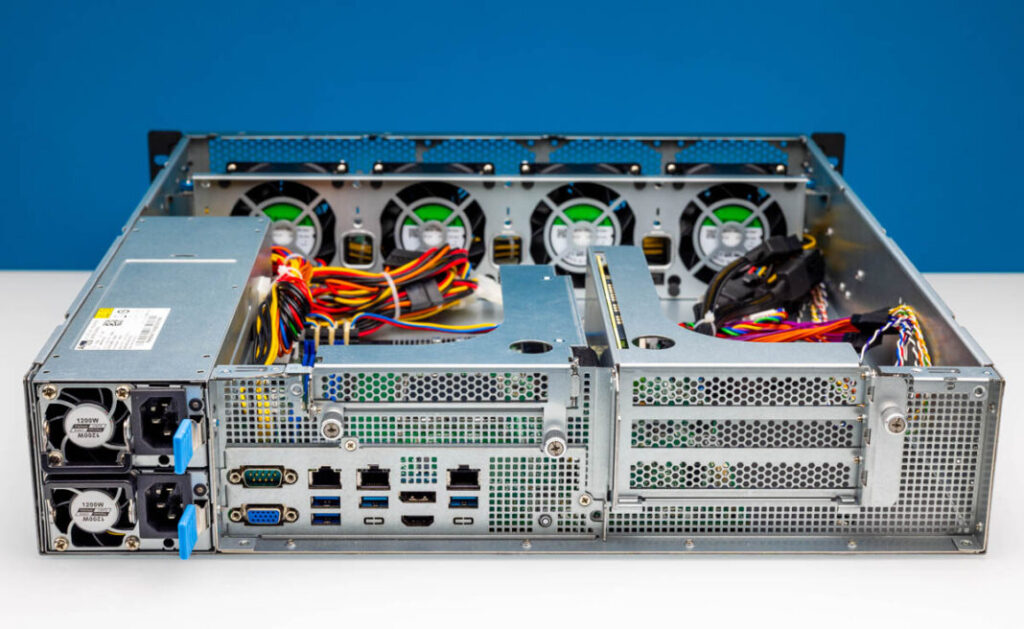
Modern IT environments are under constant pressure to deliver more performance with fewer resources. Businesses rely on servers to run applications, host virtual machines, process data, and manage cloud workloads. At the same time, organizations want to reduce energy consumption, lower operational costs, and maintain long-term reliability.
Efficiency in IT systems is no longer optional. It directly impacts productivity, scalability, and competitiveness. The choice of server hardware plays a major role in achieving this balance. ASRock is increasingly recognized for delivering optimized performance while supporting energy efficiency and streamlined management in modern infrastructures.
Optimized Processing for Demanding Workloads
Workloads today vary from simple file sharing to advanced data analytics and virtualization clusters. Efficient server hardware must be capable of handling fluctuating demands without unnecessary resource waste.
ASRock Servers are built to support powerful multi-core processors that balance performance and energy usage. By enabling efficient CPU utilization, these servers ensure that computing power is distributed intelligently across applications. This prevents bottlenecks and keeps systems responsive even during peak workloads.
An efficient processor architecture also reduces idle power consumption. When demand drops, the system adjusts accordingly, helping organizations conserve energy without sacrificing availability.
Smart Memory and Storage Configuration
Memory and storage play a central role in overall system efficiency. Insufficient RAM or slow storage drives can create delays that ripple across the entire IT environment. On the other hand, overprovisioning resources can lead to unnecessary expenses.
ASRock supports scalable memory configurations, allowing businesses to deploy the exact capacity required for their operations. Advanced memory technologies help maintain stability and prevent data errors, ensuring consistent performance over time.
Storage flexibility further enhances efficiency. Support for high-speed NVMe drives, SATA configurations, and RAID setups enables optimized data access speeds. Faster data retrieval reduces application latency and improves the performance of databases, virtual machines, and enterprise software.
By combining scalable memory with adaptable storage solutions, organizations can tailor systems to match their precise workload demands.
Energy-Efficient Hardware Design
Power consumption is a major concern in data centers and server rooms. Rising energy costs and environmental considerations make efficiency a priority for IT managers.
ASRock are engineered with energy-efficient components and intelligent power management features. These systems adjust power usage dynamically based on real-time workload activity. Instead of running at maximum capacity constantly, the hardware scales its energy draw according to demand.
Efficient cooling systems also contribute to lower energy consumption. Optimized airflow design ensures proper temperature regulation while minimizing the need for excessive fan speeds. Reduced heat output means less strain on cooling infrastructure, which translates to measurable cost savings over time.
Virtualization and Consolidation Benefits
Virtualization allows multiple workloads to run on a single physical server, maximizing resource utilization. However, virtualization environments can quickly become inefficient if the hardware cannot manage resource allocation effectively.
ASRock Server Systems are designed to support virtualization platforms with strong processing capabilities and high memory capacity. This makes it possible to consolidate multiple servers into fewer physical machines without compromising performance.
Server consolidation reduces hardware footprint, energy consumption, and maintenance requirements. By running more virtual machines on optimized hardware, businesses can improve operational efficiency while simplifying infrastructure management.
For organizations transitioning toward private or hybrid cloud models, efficient server hardware provides the stability needed to support scalable and flexible IT strategies.
Reliability That Supports Long-Term Efficiency
Efficiency is not only about speed or energy savings. System reliability plays an equally important role. Frequent downtime, hardware failures, or performance instability can undermine even the most advanced IT strategies.
ASRock includes enterprise-grade features such as remote management tools, monitoring systems, and redundant component options. These capabilities allow administrators to oversee system health and address issues proactively.
Hot-swappable components minimize service interruptions during maintenance. Remote monitoring tools provide visibility into temperature, power usage, and performance metrics. Early detection of irregularities prevents small issues from escalating into costly downtime.
Stable systems reduce emergency repairs and unplanned outages, which ultimately improve overall operational efficiency.
Scalability for Growing Businesses
Modern organizations must adapt quickly to changing demands. Whether expanding data storage, adding new applications, or scaling cloud services, server infrastructure must evolve without requiring complete replacement.
ASRock support modular upgrades, allowing additional storage drives, memory modules, and expansion cards to be integrated as needed. This flexibility helps businesses grow their infrastructure gradually and cost-effectively.
Scalability ensures that systems remain efficient as workloads increase. Instead of overinvesting in hardware upfront, organizations can align resources with actual growth patterns.
Simplified Management for IT Teams
Efficiency also depends on how easily systems can be managed. Complex hardware configurations and limited monitoring tools can slow down IT operations.
Integrated management interfaces in ASRock allow centralized control over system settings, firmware updates, and diagnostics. Administrators can monitor performance remotely and apply updates without physical intervention.
This streamlined management approach saves time and reduces the workload on IT teams. Automated alerts and performance tracking tools support proactive maintenance strategies, further enhancing efficiency.
Supporting Diverse Industry Needs
Different industries have unique IT requirements. Healthcare organizations rely on secure data storage, financial institutions depend on stable transaction processing, and technology companies require high-performance computing.
ASRock offers versatile configurations suitable for a wide range of use cases. Their adaptable architecture makes them appropriate for small businesses as well as enterprise environments.
By delivering balanced performance, energy efficiency, and scalability, these servers provide a dependable foundation for modern digital operations.
Final Thought
Efficiency in modern IT systems is about more than raw performance. It requires a combination of intelligent hardware design, scalable architecture, reliable components, and simplified management tools. Servers that strike this balance help organizations reduce costs, improve stability, and support long-term growth. For businesses evaluating infrastructure upgrades or planning new deployments, exploring solutions through Cloud Ninjas can provide valuable insight and direction. The right server choice today can shape a more efficient and resilient IT environment for years to come.