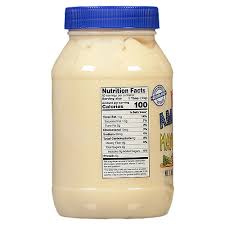
Mayo Nutrition Facts
Understanding what goes into your food is the first step toward smarter choices. When it comes to condiments, mayonnaise often sparks debate. Is it healthy? Is it fattening? Or can it fit into a balanced diet? In this detailed guide, we’ll break down Mayo Nutrition Facts so you can make informed decisions without confusion.
Mayonnaise is a popular spread used in sandwiches, salads, burgers, and dips. While it adds creaminess and flavor, many people worry about its calorie and fat content. By exploring Mayo Nutrition Facts, you’ll gain clarity on ingredients, calories, fats, vitamins, and healthier alternatives.
What Is Mayonnaise Made Of?
Before diving into Mayo Nutrition Facts, it’s important to understand what mayonnaise actually contains. Traditional mayonnaise is made from a simple combination of:
-
Egg yolks
-
Oil (such as soybean or canola oil)
-
Vinegar or lemon juice
-
Mustard (optional)
-
Salt
The key ingredient that shapes most Mayo Nutrition Facts is oil. Since oil is high in fat, mayonnaise becomes calorie-dense. Egg yolks contribute cholesterol and small amounts of vitamins like vitamin A and vitamin D.
Commercial brands may also include preservatives, sugar, or stabilizers. Always read the label carefully if you’re concerned about additives or sodium levels.
Calories and Serving Size Breakdown
When reviewing Mayo Nutrition Facts, serving size plays a major role. A standard serving of mayonnaise is typically one tablespoon (about 13–14 grams).
On average, one tablespoon contains:
-
90–100 calories
-
10–11 grams of fat
-
0–1 gram of carbohydrates
-
0 grams of protein
Because mayonnaise is mostly oil, nearly all calories come from fat. That’s why portion control is essential when considering Mayo Nutrition Facts in your daily diet.
Many people unknowingly use two or three tablespoons in sandwiches or salads, which can quickly double or triple calorie intake. Measuring your portion can help you stay mindful without giving up flavor.
Fat Content: The Good and the Bad
One of the most discussed parts of Mayo Nutrition Facts is fat content. Traditional mayonnaise is high in total fat, but not all fats are created equal.
Most store-bought mayonnaise contains unsaturated fats from vegetable oils. These fats can support heart health when consumed in moderation. However, some brands may include small amounts of saturated fats.
It’s important to read reliable sources and trusted Health And Wellness Articles to understand the difference between healthy fats and harmful trans fats. Thankfully, most modern mayonnaise brands no longer contain trans fats due to regulatory changes.
If you’re monitoring your fat intake, light or reduced-fat mayonnaise options may offer fewer calories and less fat per serving.
Cholesterol and Sodium Levels
Another important factor in Mayo Nutrition Facts is cholesterol. Since mayonnaise contains egg yolks, it naturally includes cholesterol. A tablespoon may contain around 5–10 milligrams.
For most healthy individuals, moderate cholesterol intake from foods like mayonnaise is not a major concern. However, those with heart conditions should consult a healthcare professional.
Sodium is another consideration. Regular mayonnaise typically contains 70–90 milligrams of sodium per tablespoon. While not extremely high, it can add up when combined with other processed foods.
Understanding these aspects of Mayo Nutrition Facts helps you balance your overall daily sodium and cholesterol intake.
Vitamins and Nutritional Benefits
Although mayonnaise is often criticized, reviewing Mayo Nutrition Facts reveals some small nutritional benefits.
Egg yolks provide:
-
Vitamin A
-
Vitamin D
-
Vitamin E
-
Vitamin K
Vegetable oils used in mayonnaise may also contribute vitamin E, an antioxidant that helps protect cells from damage.
While mayonnaise isn’t considered a nutrient-dense superfood, moderate consumption can fit into a balanced eating plan. The key is not to rely on it as a primary nutrient source but rather as a flavor enhancer.
Looking closely at Mayo Nutrition Facts shows that even high-fat foods can have some beneficial components when consumed wisely.
Light, Low-Fat, and Vegan Alternatives
As consumer demand shifts toward healthier choices, many brands now offer alternative options. When comparing Mayo Nutrition Facts, you’ll notice significant differences among varieties.
Light Mayonnaise
-
About 35–50 calories per tablespoon
-
Reduced fat
-
Slightly higher sugar or additives to maintain flavor
Olive Oil Mayonnaise
-
Similar calorie content
-
Different fat profile
-
Slightly richer taste
Vegan Mayonnaise
-
Made without eggs
-
Uses plant-based ingredients
-
Often similar calorie content
Reviewing labels carefully helps you compare Mayo Nutrition Facts across brands and select the one that aligns with your health goals.
How Mayo Fits into a Balanced Diet
Many people assume mayonnaise must be eliminated entirely from a healthy diet. However, examining Mayo Nutrition Facts shows that moderation is the true key.
Here are smart ways to include mayo responsibly:
-
Use one measured tablespoon instead of spreading freely
-
Mix mayo with Greek yogurt to reduce fat content
-
Add herbs and spices for flavor without extra calories
-
Choose light versions when appropriate
Understanding Mayo Nutrition Facts empowers you to make practical substitutions instead of extreme restrictions.
Pair mayonnaise with nutrient-rich foods like whole-grain bread, lean proteins, and fresh vegetables to maintain balance. Smart eating isn’t about cutting out foods you love—it’s about mindful choices.
Common Myths About Mayo Nutrition Facts
There are many misconceptions surrounding Mayo Nutrition Facts. Let’s clear up a few:
Myth 1: Mayo Is Purely Unhealthy
While high in calories, mayonnaise contains mostly unsaturated fats. In moderation, it can fit into a balanced diet.
Myth 2: Low-Fat Mayo Is Always Better
Some low-fat versions contain added sugars or starches. Always compare Mayo Nutrition Facts labels before assuming one is healthier.
Myth 3: Mayo Causes Weight Gain Automatically
Weight gain occurs from overall calorie surplus, not a single food item. Portion size is what truly matters when analyzing Mayo Nutrition Facts.
Understanding the truth helps eliminate unnecessary fear and promotes smarter food decisions.
Smart Label Reading Tips
To fully understand Mayo Nutrition Facts, you must know how to read nutrition labels effectively.
Here’s what to check:
-
Serving size
-
Total calories
-
Total fat and saturated fat
-
Sodium content
-
Ingredient list
Ingredients are listed in descending order by weight. If oil appears first (which it usually does), that confirms why the calorie content is high.
By reviewing Mayo Nutrition Facts carefully, you can compare brands and make confident grocery choices.
Final Thoughts on Mayo Nutrition Facts
Mayonnaise is often misunderstood. While it is calorie-dense and high in fat, it also contains beneficial unsaturated fats and small amounts of vitamins. The key takeaway from analyzing Mayo Nutrition Facts is moderation and awareness.
Instead of avoiding mayonnaise entirely, focus on portion control and balanced meals. Choose quality brands, compare nutrition labels, and experiment with lighter alternatives when necessary.
Smart eating doesn’t mean sacrificing flavor—it means understanding what you consume. By learning the real story behind Mayo Nutrition Facts, you empower yourself to enjoy your favorite foods responsibly and confidently.
In the end, knowledge leads to healthier choices. And when you make informed decisions, every meal becomes an opportunity for better living.