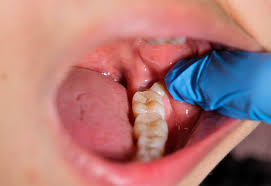
Wisdom Teeth Healing
The journey of wisdom teeth healing can be tricky if not approached with care. Many patients face complications due to common mistakes made during recovery. By understanding what to avoid, you can ensure a smoother healing process and reduce discomfort, swelling, or infection. This article explores the top mistakes to avoid, along with practical advice to promote faster and safer recovery.
Ignoring Post-Operative Instructions
One of the biggest mistakes during wisdom teeth healing is ignoring the instructions given by your dentist or oral surgeon. Post-operative guidelines are designed to minimize infection risk, swelling, and other complications. Failing to follow instructions regarding medication, oral hygiene, and diet can significantly delay recovery.
For example, dentists often prescribe pain relievers or antibiotics. Skipping doses or taking the wrong dosage can cause prolonged pain or even infection. Similarly, instructions about cold compresses, rest, and avoiding strenuous activities are essential. Even if you feel fine, these measures help your body heal efficiently.
Pro tip: Keep your follow-up appointments. They allow your dentist to monitor your healing progress and catch any complications early.
Eating Hard or Crunchy Foods Too Soon
Eating the wrong foods too soon after surgery is a common pitfall in wisdom teeth healing. Hard, crunchy, or spicy foods can irritate the extraction site, dislodge blood clots, or even cause dry socket, a painful complication.
During the first few days, stick to soft foods like yogurt, mashed potatoes, and smoothies. Avoid straws as sucking can dislodge clots. Gradually introduce solid foods as your mouth heals, following your dentist’s guidance.
Remember, what you eat directly affects your healing speed. Being cautious now can prevent a lot of unnecessary pain later.
Neglecting Dental Care Tips for Oral Hygiene
Maintaining proper oral hygiene is crucial for successful wisdom teeth healing, yet many patients underestimate its importance. While aggressive brushing is discouraged near the extraction site, gentle cleaning and rinsing are necessary to prevent infection.
Dentists often recommend using a soft-bristled toothbrush and saltwater rinses starting 24 hours after surgery. This helps remove debris and bacteria without disturbing the healing tissues. Avoid alcohol-based mouthwashes or excessive spitting, as these actions can impede the healing process.
By following these dental care tips, you support your body’s natural recovery and reduce the risk of complications like swelling, infection, or delayed tissue regeneration.
Smoking or Using Tobacco Products
Smoking is a major mistake to avoid during wisdom teeth healing. Tobacco products reduce blood flow, slow down tissue repair, and significantly increase the risk of dry socket.
Even a few cigarettes in the first week post-surgery can delay recovery. If quitting completely isn’t feasible, consider postponing tobacco use until your dentist confirms the extraction site is fully healed.
Neglecting Pain Management
Pain management plays a crucial role in wisdom teeth healing. Ignoring pain or avoiding prescribed medication can lead to unnecessary discomfort and stress.
Follow the pain management plan recommended by your dentist. Over-the-counter medications like ibuprofen can help reduce swelling, while prescribed painkillers may be necessary for more severe cases. Applying ice packs intermittently also helps minimize swelling and discomfort.
Overexerting Yourself Physically
Many patients underestimate how much energy their body uses for wisdom teeth healing. Engaging in heavy physical activities too soon can increase blood pressure and disrupt the healing site.
Rest is essential, especially during the first few days. Limit exercise, avoid lifting heavy objects, and keep your head elevated while sleeping to reduce swelling. Your body needs this time to focus on repairing tissues and preventing complications.
Delaying Follow-Up Appointments
Skipping or delaying follow-up visits is another mistake that can prolong wisdom teeth healing. Dentists monitor your recovery, remove stitches if necessary, and address any early signs of infection or dry socket.
Even if you feel fine, a check-up ensures there are no hidden issues. These appointments can make a significant difference in preventing long-term problems and promoting faster healing.
Ignoring Signs of Complications
Finally, ignoring signs of complications is a critical mistake during wisdom teeth healing. Persistent pain, swelling, bleeding, or fever may indicate infection or other issues that require prompt attention.
Do not hesitate to contact your dentist if you notice any of these symptoms. Early intervention can prevent serious complications and ensure your recovery stays on track.
Conclusion
Wisdom teeth healing requires patience, attention, and proper care. Avoiding these common mistakes—ignoring post-operative instructions, eating hard foods too soon, neglecting dental care tips, smoking, poor pain management, overexertion, delaying follow-ups, and ignoring warning signs—can make your recovery smoother and faster.
By following these guidelines, you not only protect your oral health but also support your body’s natural healing process. Remember, proper care during this period ensures that you emerge from surgery with minimal discomfort and long-term dental health benefits.