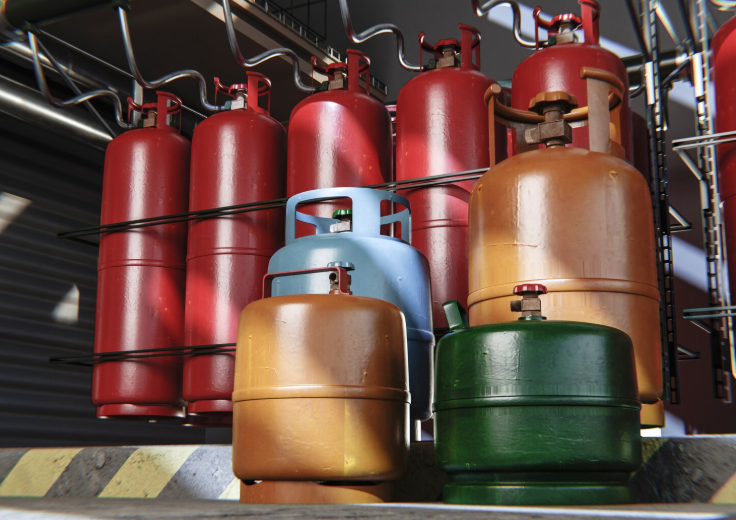
Gas cylinders play a vital role in industries, laboratories, healthcare facilities, construction sites, and even residential settings. From oxygen used in hospitals to liquefied petroleum gas (LPG) in homes, compressed gases are essential for daily operations. However, improper gas cylinder storage and handling can lead to severe accidents, including fires, explosions, toxic leaks, and serious injuries.
This complete guide to gas cylinder storage and handling regulations will help you understand legal requirements, safety standards, best practices, and compliance measures to ensure a safe working environment.
Why Gas Cylinder Storage and Handling Regulations Matter
Gas cylinders contain gases under high pressure. Even a minor mistake in storage or transportation can cause catastrophic damage. Regulatory bodies across the world have established strict guidelines to:
-
Prevent workplace accidents
-
Protect employees and the public
-
Reduce environmental hazards
-
Ensure proper transportation and labeling
-
Standardize safe storage practices
Compliance with gas cylinder safety regulations is not just about avoiding fines; it is about protecting lives and property.
Understanding Types of Gas Cylinders
Before discussing regulations, it is essential to understand the different types of gas cylinders.
1. Compressed Gas Cylinders
These contain gases stored under high pressure, such as oxygen, nitrogen, and carbon dioxide.
2. Liquefied Gas Cylinders
These contain gases that become liquid under pressure, such as LPG and ammonia.
3. Dissolved Gas Cylinders
Acetylene is the most common example, dissolved in a solvent under pressure.
Each type has specific storage and handling requirements based on its chemical properties and hazards.
General Gas Cylinder Storage Regulations
1. Proper Ventilation
Gas cylinders must be stored in well-ventilated areas. Poor ventilation can lead to gas buildup, which increases the risk of fire or suffocation.
-
Outdoor storage is often preferred.
-
Indoor storage must include mechanical ventilation if natural airflow is insufficient.
2. Temperature Control
Cylinders should not be exposed to extreme heat or direct sunlight.
-
Storage temperature typically should not exceed 50°C (122°F).
-
Avoid placing cylinders near furnaces, boilers, or electrical equipment.
High temperatures can increase internal pressure, potentially causing cylinder rupture.
3. Secure Positioning
All cylinders must be stored upright and secured with chains, straps, or cylinder stands to prevent tipping.
-
Valve protection caps must be in place when not in use.
-
Never store cylinders horizontally unless specifically designed for that purpose.
4. Separation of Incompatible Gases
Certain gases must be stored separately to prevent dangerous reactions.
-
Oxygen must be kept away from flammable gases.
-
Fuel gases should be stored at a safe distance from oxidizers.
-
Toxic gases should be isolated in designated areas.
Regulations often require a minimum separation distance or a fire-rated barrier between incompatible gases.
Labeling and Identification Requirements
Proper labeling is a critical part of gas cylinder safety regulations.
Each cylinder must:
-
Be clearly marked with the gas name
-
Display hazard warnings
-
Include manufacturer details
-
Show inspection and test dates
Never rely solely on cylinder color for identification. Color coding may vary by country and manufacturer. Always read the label before use.
Inspection and Maintenance Regulations
Routine inspection ensures cylinders remain safe for use.
Visual Inspections
Before use, check for:
-
Rust or corrosion
-
Dents or cracks
-
Leaking valves
-
Damaged regulators
Any cylinder showing signs of damage must be removed from service immediately.
Periodic Testing
Most regulations require hydrostatic testing at regular intervals (often every 5 to 10 years).
-
Testing ensures cylinder integrity under pressure.
-
Test dates are stamped on the cylinder body.
Using an out-of-test cylinder is a serious regulatory violation.
Safe Handling Practices
Handling compressed gas cylinders improperly is one of the most common causes of accidents.
1. Use Proper Equipment
-
Use cylinder carts for transportation.
-
Never drag, roll, or drop cylinders.
-
Avoid lifting cylinders by the valve cap.
2. Open Valves Slowly
Rapid opening can cause pressure shock, damaging regulators and increasing risk.
3. Use Compatible Regulators
Each gas requires a specific regulator type. Using incorrect equipment may lead to leaks or explosions.
4. Close Valves After Use
Always close cylinder valves when not in use, even if the cylinder is empty.
Transportation Regulations for Gas Cylinders
Transporting gas cylinders involves additional legal requirements.
Vehicle Requirements
-
Cylinders must be secured upright.
-
Vehicles must be well-ventilated.
-
No smoking signs must be displayed.
Documentation
Transporting hazardous gases typically requires:
-
Safety Data Sheets (SDS)
-
Hazard labels
-
Shipping documentation
Driver Training
Drivers transporting hazardous gas cylinders may need specialized certification depending on local laws.
Workplace Safety and Training Requirements
Employers are responsible for ensuring workers understand gas cylinder handling regulations.
Mandatory Training Includes:
-
Hazard recognition
-
Emergency procedures
-
Proper storage techniques
-
Leak detection methods
-
Fire safety protocols
Training should be documented and refreshed regularly.
Emergency Response and Fire Safety Regulations
Preparation is key to minimizing damage during emergencies.
Fire Protection Measures
-
Install fire extinguishers near storage areas.
-
Maintain clear access routes.
-
Prohibit smoking near cylinders.
Leak Response
If a gas leak is suspected:
-
Evacuate the area immediately.
-
Do not attempt repairs unless trained.
-
Contact emergency services if necessary.
-
Ventilate the area safely.
Emergency Planning
Facilities should have:
-
Written emergency action plans
-
Clearly marked evacuation routes
-
Regular safety drills
Regulatory Authorities Governing Gas Cylinder Safety
Different countries have specific regulatory bodies overseeing gas cylinder regulations.
For example:
-
Occupational safety authorities
-
Fire departments
-
Transportation agencies
-
Environmental protection agencies
Businesses must comply with national and local standards to avoid penalties.
Storage Area Design Requirements
An ideal gas cylinder storage area should include:
-
Non-combustible flooring
-
Weather protection
-
Security fencing
-
Warning signage
-
Restricted access
Storage areas should be clearly marked with hazard symbols and emergency contact information.
Special Considerations for Specific Gases
Oxygen Cylinders
-
Keep away from grease or oil.
-
Store at least 20 feet away from flammable gases unless separated by a fire-rated wall.
Acetylene Cylinders
-
Store upright only.
-
Keep away from heat sources.
-
Use flashback arrestors during welding operations.
LPG Cylinders
-
Store outdoors when possible.
-
Ensure no ignition sources nearby.
Each gas has unique properties that require tailored safety measures.
Common Violations and How to Avoid Them
Many workplace accidents result from preventable mistakes.
Common Violations:
-
Storing incompatible gases together
-
Using damaged cylinders
-
Blocking emergency exits with stored cylinders
-
Failing to secure cylinders upright
-
Using expired cylinders
How to Avoid Violations:
-
Conduct regular safety audits.
-
Maintain proper documentation.
-
Assign a safety officer.
-
Keep updated with regulatory changes.
Proactive compliance prevents costly fines and legal liabilities.
Best Practices for Gas Cylinder Compliance
Beyond minimum regulatory requirements, adopting best practices improves safety further.
-
Implement a cylinder tracking system.
-
Use digital inspection logs.
-
Conduct surprise safety checks.
-
Post clear safety signage.
-
Separate full and empty cylinders.
-
Install gas detection systems where necessary.
A culture of safety significantly reduces risks.
Environmental and Legal Implications
Improper storage or disposal of gas cylinders can cause environmental damage and legal consequences.
Companies found negligent may face:
-
Heavy fines
-
Business suspension
-
Criminal liability
-
Reputational damage
Proper disposal procedures must be followed for empty or expired cylinders. Never puncture or attempt to refill non-refillable cylinders.
Gas Cylinder Storage Checklist
Use this quick checklist for compliance:
-
Cylinders stored upright and secured
-
Valves capped when not in use
-
Proper ventilation provided
-
Incompatible gases separated
-
Storage area clearly labeled
-
Regular inspections conducted
-
Employees properly trained
-
Emergency plan in place
-
Cylinders within valid test date
-
No ignition sources nearby
Regular audits using this checklist improve regulatory compliance.
The Importance of Documentation
Maintaining accurate records is essential for regulatory compliance.
Keep records of:
-
Inspection reports
-
Training sessions
-
Hydrostatic test certificates
-
Incident reports
-
Inventory logs
Proper documentation demonstrates due diligence during inspections.
Future Trends in Gas Cylinder Safety Regulations
Safety standards continue evolving with technological advancements.
Emerging trends include:
-
Smart cylinder monitoring systems
-
RFID tracking
-
Automated leak detection
-
Stricter environmental laws
-
Improved fire-resistant storage systems
Businesses that adopt modern safety technologies stay ahead of regulatory changes.
Conclusion
Gas cylinder storage and handling regulations are designed to protect people, property, and the environment from potentially life-threatening hazards. Whether in industrial facilities, healthcare settings, laboratories, or residential environments, proper storage, transportation, labeling, and handling are non-negotiable.
Understanding the different types of gases, following ventilation and temperature guidelines, securing cylinders correctly, separating incompatible substances, conducting routine inspections, and providing employee training are all essential components of compliance.
Organizations that prioritize safety not only avoid legal penalties but also create a secure and productive workplace. By implementing best practices and staying updated with evolving regulations, businesses can effectively manage risks and ensure long-term operational safety.
Adhering to gas cylinder storage and handling regulations is not just a legal obligation—it is a responsibility that safeguards lives every single day.