Harvest Cannabis: From Cultivation to Compliance in the Modern Cannabis Industry
The harvest cannabis stage is one of the most critical and carefully managed phases in the entire cannabis production cycle. It is the point where months of planning, cultivation, monitoring, and care finally come together. For growers, processors, and licensed producers, harvesting is not simply about cutting plants at maturity. It represents a delicate balance between science and timing, between regulatory compliance and product quality, and between agricultural tradition and modern innovation.
As the global cannabis industry continues to expand, the importance of proper harvesting techniques has grown significantly. Whether cannabis is cultivated for medical purposes, wellness products, or regulated adult-use markets, the harvesting process determines potency, flavor profile, safety, and overall consumer satisfaction. In this detailed guide, we will explore harvest cannabis practices from seed to shelf, focusing on timing, methods, drying, curing, compliance requirements, sustainability considerations, and post-harvest quality control.
Understanding the Cannabis Plant Lifecycle Before Harvest
Before discussing the harvest stage, it is essential to understand the lifecycle of the cannabis plant. Cannabis cultivation generally follows several key phases: germination, vegetative growth, flowering, and finally harvesting. Each stage plays a crucial role in shaping the final product.
During the vegetative stage, the plant focuses on leaf and stem growth. As it transitions into the flowering phase, it begins producing buds, which contain the cannabinoids and terpenes responsible for its effects and aroma. Harvest timing depends largely on the maturity of these flowers. Harvesting too early can reduce potency, while harvesting too late may alter cannabinoid profiles and degrade overall quality.
Indicators That Cannabis Is Ready for Harvest
Determining the perfect harvest window requires careful observation and experience. Growers typically monitor:
-
Trichome color and density
-
Pistil coloration
-
Bud structure and density
-
Overall plant health
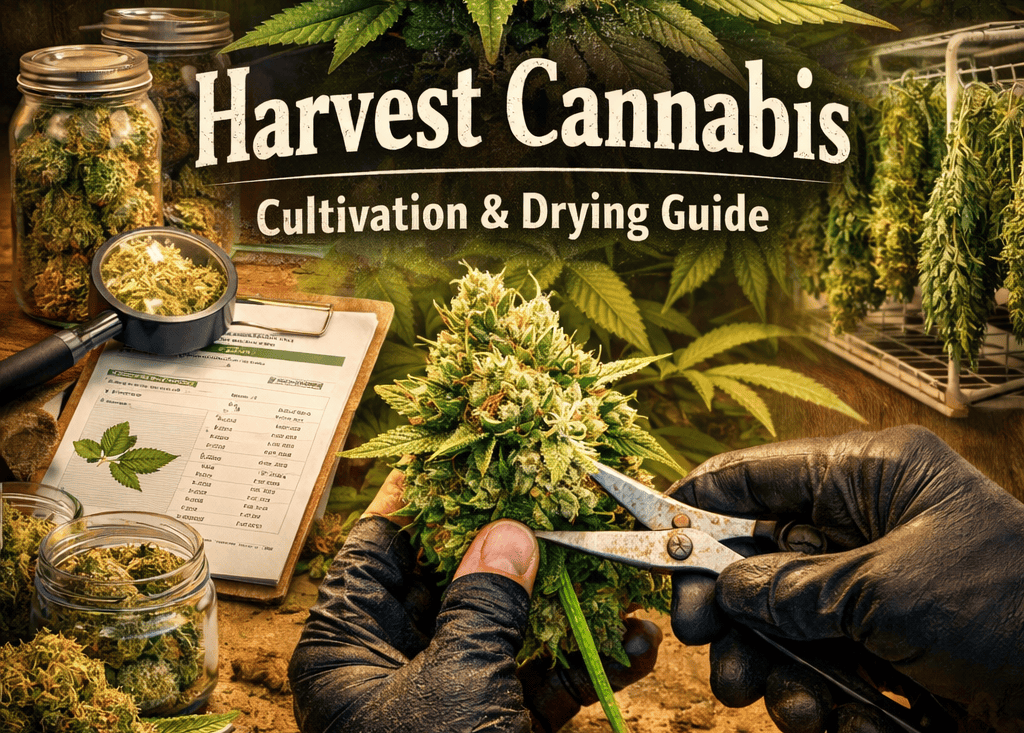
Trichomes, the small resin glands covering the buds, are one of the most reliable indicators of maturity. When they shift from clear to milky white and eventually amber, they signal changes in cannabinoid composition. Professional cultivators use magnification tools to evaluate these changes accurately.
The Science Behind Harvest Cannabis Timing
The timing of harvest significantly affects cannabinoid concentration, terpene preservation, and overall product quality. Cannabinoids such as THC and CBD develop throughout the flowering stage. Harvesting at peak maturity ensures optimal potency.
Environmental Considerations Before Harvest
Environmental conditions must be carefully controlled leading up to harvest. Humidity, temperature, and airflow influence mold risk and plant stress. Many growers reduce watering slightly before harvest to improve resin production and ease drying.
Indoor vs. Outdoor Harvest Timing
Indoor cultivation allows precise control over light cycles and climate conditions. Growers can schedule harvests consistently throughout the year. Outdoor cultivation, however, depends on seasonal patterns and regional climate conditions. In many regions, outdoor harvest typically occurs in early autumn when daylight hours decrease naturally.
Harvest Methods: Manual and Mechanical Approaches
Harvest cannabis methods vary depending on scale, available resources, and regulatory environment. Smaller craft cultivators often prefer manual harvesting, while larger facilities may use mechanical systems.
Manual Harvesting Techniques
Manual harvesting involves cutting plants individually, trimming leaves, and preparing buds by hand. Although labor-intensive, this method allows careful handling and selective trimming. Craft growers argue that manual harvesting preserves trichomes and maintains higher aesthetic standards.
Mechanical Harvesting Systems
Larger commercial facilities may use mechanical harvesters to increase efficiency. These systems can process large volumes quickly, reducing labor costs. However, machines must be carefully calibrated to avoid damaging delicate buds.
While both methods have advantages, the choice ultimately depends on production goals, regulatory requirements, and market positioning.
Post-Harvest Handling: The Crucial First 24 Hours
The first 24 hours after cutting the plants are critical. Improper handling can reduce quality and increase contamination risks. Buds must be transferred to controlled drying environments immediately.
Wet Trimming vs. Dry Trimming
Two primary trimming approaches exist:
-
Wet trimming: Leaves are removed immediately after cutting.
-
Dry trimming: Plants are hung intact and trimmed after drying.
Wet trimming can reduce drying time and mold risk in humid climates. Dry trimming may preserve terpenes better and produce a more gradual moisture reduction.
Drying Cannabis: Preserving Quality and Preventing Mold
Drying is a delicate process that directly impacts flavor, aroma, and safety. Cannabis buds are typically hung upside down in dark rooms with controlled humidity and temperature.
Ideal Drying Conditions
Most cultivators aim for:
-
Temperature around 18–22°C
-
Humidity between 50–60%
-
Gentle air circulation
-
Minimal direct light exposure
Drying usually takes 7 to 14 days. Rushing this stage can cause harsh smoke and terpene loss. Slow, controlled drying allows chlorophyll to break down gradually, improving smoothness.
The Curing Process: Enhancing Flavor and Potency
After drying, curing begins. Curing involves storing dried buds in airtight containers and monitoring moisture levels carefully. This process can last several weeks or even months.
Why Curing Matters
Proper curing enhances terpene expression, stabilizes cannabinoids, and improves overall consumer experience. Containers are opened periodically to release excess moisture and allow fresh air exchange. This step reduces mold risk while refining the final product.
Compliance and Regulatory Considerations
Harvest cannabis operations must follow strict regulations in licensed markets. Governments often require detailed tracking, testing, and reporting procedures.
Testing and Quality Assurance
Before reaching consumers, cannabis products undergo laboratory testing for:
-
Cannabinoid content
-
Terpene profile
-
Microbial contamination
-
Heavy metals
-
Pesticide residues
These tests ensure product safety and transparency. Regulatory agencies mandate labeling accuracy and batch tracking systems to maintain accountability.
Record-Keeping and Traceability
Modern cannabis facilities use digital tracking systems to document every stage of production. From seed planting to final packaging, each plant batch is recorded to ensure compliance with national or regional regulations.
Sustainability in Cannabis Harvesting
As environmental awareness increases, sustainability has become a central focus in cannabis production. Energy consumption, water use, and waste management are under scrutiny.
Reducing Environmental Impact
Sustainable harvest practices include:
-
Recycling plant waste
-
Composting organic materials
-
Using energy-efficient lighting
-
Implementing water conservation systems
Responsible operations aim to reduce their carbon footprint while maintaining product quality.
Challenges Faced During Harvest Cannabis Operations
Harvesting cannabis is not without challenges. Even experienced cultivators face risks such as mold outbreaks, pest infestations, labor shortages, and fluctuating market demands.
Weather-Related Risks in Outdoor Harvests
Unexpected rainfall or early frost can damage outdoor crops. Growers must monitor forecasts carefully and sometimes harvest earlier than planned to avoid crop loss.
Labor Management and Training
Harvest season often requires additional trained workers. Ensuring proper trimming techniques and hygiene standards is vital for maintaining consistency and safety.
Technology’s Role in Modern Cannabis Harvesting
The cannabis industry has embraced technology to improve efficiency and quality control.
Automation and Monitoring Tools
Advanced climate control systems regulate humidity and temperature during drying. Sensors track environmental changes in real time. Data analytics tools help growers refine harvest timing and improve yield predictions.
Future Innovations in Harvest Techniques
As research continues, new harvesting technologies are emerging, including precision cutting tools and AI-driven cultivation monitoring systems. These innovations aim to increase consistency while preserving plant integrity.
Market Expectations and Consumer Standards
Consumers today are more informed than ever. They expect transparency, lab-tested products, and consistent quality. Harvest methods directly influence final product appearance, aroma, and potency.
Craft cultivators often emphasize small-batch harvesting to maintain premium standards, while large-scale producers focus on efficiency and regulatory compliance. Both approaches contribute to the diversity of products available in regulated markets.
Ethical Responsibility and Community Impact
Licensed cannabis operators must also consider ethical responsibility. Safe harvesting, proper worker training, and environmental stewardship strengthen community trust. As the industry matures, professionalism in harvest cannabis operations becomes increasingly important.
Conclusion: Harvest Cannabis as a Foundation of Quality
Harvest cannabis is far more than a simple agricultural task. It is a highly technical and carefully regulated process that bridges cultivation and consumer experience. From determining the ideal harvest window to managing drying and curing conditions, every step influences final quality.
Successful cannabis operations understand that harvesting represents the culmination of months of effort. Precision, patience, and compliance are essential. With proper techniques, responsible environmental practices, and strict adherence to regulations, harvest cannabis processes can deliver safe, high-quality products that meet modern consumer expectations.
As global cannabis markets continue to evolve, the harvesting stage will remain at the heart of product excellence. Those who master it not only protect their crops but also build long-term trust in an increasingly competitive industry.