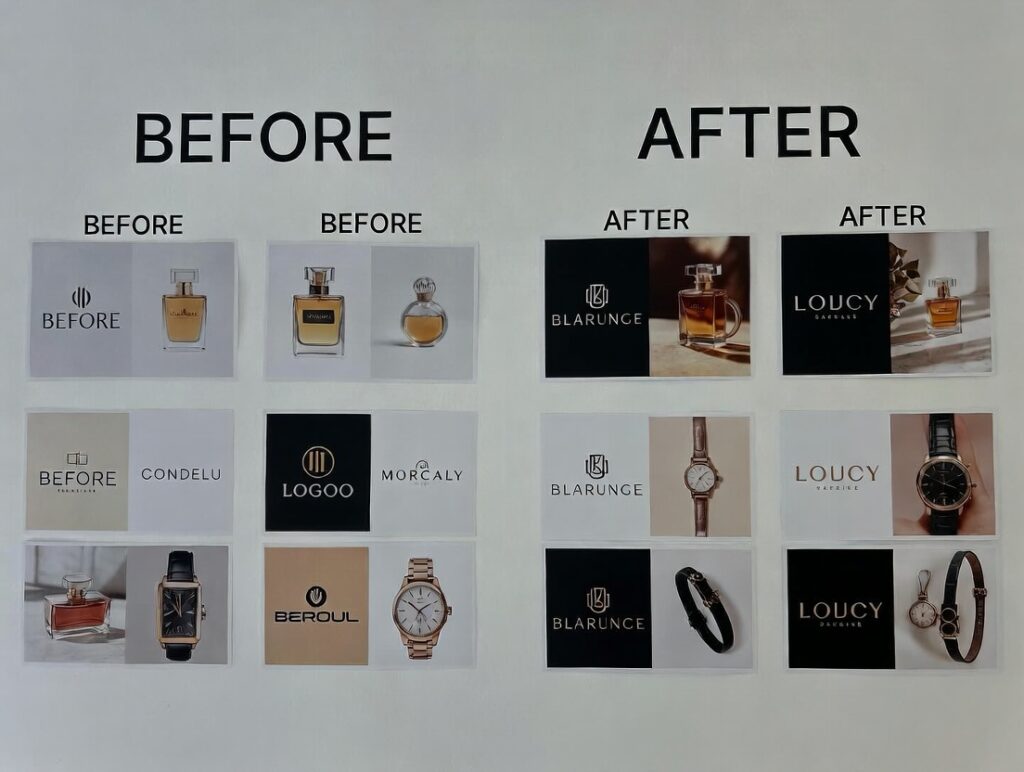
Rebranding isn’t about changing a logo.
It’s about changing perception, positioning, and power in the market.
Some brands fade into the background. Others dominate conversations. The difference often lies in strategic brand identity transformation.
In this article, we’ll explore real rebranding case studies that worked, break down why they succeeded, and uncover lessons businesses can apply — whether you’re operating globally or in Canada’s competitive landscape.
What Rebranding Really Means
Before diving into successful rebranding examples, it’s important to clarify something:
A brand refresh updates appearance.
A rebrand redefines identity.
Rebranding involves:
- Market repositioning
- Messaging overhaul
- Visual identity transformation
- Audience realignment
- Strategic narrative rebuilding
It’s not cosmetic. It’s structural.
Case Study 1: Apple – The Power of Strategic Clarity
In the late 1990s, Apple was close to collapse. The brand lacked clarity, focus, and market direction.
Then came one of the most powerful brand transformation examples in modern history.
What Changed:
- Product simplification
- Minimalist brand identity
- Emotional positioning (“Think Different”)
- Focus on creativity and innovation
Why It Worked:
Apple didn’t sell computers anymore.
They sold identity.
This corporate rebranding strategy worked because it redefined what the company stood for — not just how it looked.
Case Study 2: Burberry – Reclaiming Luxury Status
Burberry faced brand dilution due to overexposure and misaligned distribution.
The solution wasn’t lowering prices.
It was elevating perception.
Strategic Moves:
- Reinforced heritage storytelling
- Tightened brand control
- Elevated visual identity
- Invested in digital luxury campaigns
This is where working with a luxury marketing agency becomes crucial. Luxury positioning requires intentional exclusivity and narrative control.
Burberry proves that brand repositioning strategy can restore prestige.
Case Study 3: Airbnb – Emotional Repositioning
Initially positioned as a budget rental platform, Airbnb shifted toward emotional belonging.
“Belong Anywhere” wasn’t just a tagline. It was a psychological shift.
What They Did:
- Unified global brand identity
- Human-centered storytelling
- Community-driven messaging
- Design overhaul
This rebranding strategy for companies in tech shows how emotional positioning increases loyalty.
Case Study 4: Old Spice – Audience Recalibration
Old Spice was perceived as outdated.
Instead of rebranding visually first, they shifted tone and audience.
The Pivot:
- Viral humor
- Targeted younger demographic
- Bold creative direction
This remains one of the strongest business rebranding examples because perception shifted faster than the product itself.
Canadian Brand Perspective: Modernizing Without Losing Identity
In Canada, rebranding requires balancing innovation with trust. Canadian consumers value authenticity and legacy.
Businesses often seek a rebranding agency Canada when:
- Expanding nationally
- Entering U.S. markets
- Moving into digital commerce
- Upgrading brand perception
For online retailers, collaborating with an e-commerce marketing agency Canada ensures the rebrand supports revenue growth — not just aesthetics.
What Makes Rebranding Successful?
After analyzing multiple successful rebranding examples, clear patterns emerge.
1. Strategic Reason for Change
Rebranding should happen when:
- Market shifts
- Brand perception declines
- New audience emerges
- Growth stagnates
Random redesigns fail.
Strategic transformation wins.
2. Positioning Before Design
Companies often confuse brand refresh vs rebrand.
A refresh tweaks colors.
A rebrand redefines meaning.
This is where working with a luxury brand storytelling agency can help craft a narrative that supports long-term equity.
Story precedes style.
3. Full Ecosystem Alignment
Modern rebranding must include:
- Website overhaul
- SEO restructuring
- Paid media messaging shift
- Social repositioning
Brand identity transformation must live everywhere.
Common Rebranding Mistakes to Avoid
- Rebranding without clear data
- Ignoring customer perception
- Changing visuals without changing positioning
- Overcomplicating messaging
- Failing to align internal teams
Rebranding is both internal and external.
The ROI of Rebranding
When done right, rebranding case studies show:
- Higher perceived value
- Stronger brand recall
- Increased conversion rates
- Better SEO visibility
- Improved pricing power
A strong corporate rebranding strategy doesn’t just improve aesthetics — it drives business performance.
FAQs: Rebranding Case Studies & Strategy
1. What is the difference between a brand refresh and a full rebrand?
A brand refresh involves updating visual elements such as logo, typography, color palette, or website design. The core brand positioning remains intact.
A full rebrand, however, involves a deep strategic overhaul. It includes redefining:
- Brand mission
- Target audience
- Value proposition
- Market positioning
- Messaging framework
If your business has fundamentally evolved, expanded markets, or shifted customer demographics, you likely need a rebrand — not just a refresh.
2. How long does a corporate rebranding strategy take?
A comprehensive rebranding strategy for companies can take anywhere from 3 to 9 months depending on:
- Company size
- Market complexity
- Internal restructuring
- Asset redesign requirements
The process includes research, positioning, messaging, design, rollout planning, and digital alignment.
Rushed rebrands often lead to inconsistent execution.
3. How do you measure the success of a rebrand?
Rebranding success is measured through both qualitative and quantitative metrics:
Quantitative:
- Website conversion rate
- Organic traffic growth
- Brand search volume
- Revenue growth
- Customer acquisition cost
Qualitative:
- Brand perception surveys
- Customer sentiment
- Media coverage
- Social engagement
Successful rebranding examples show measurable improvement in market clarity and pricing power.
4. When should a company consider rebranding?
You should consider rebranding when:
- Your brand feels outdated
- Growth has stalled
- Market positioning is unclear
- Entering new geographic markets
- Merging with another company
In Canada especially, expanding into the U.S. often requires brand repositioning to compete globally.
5. What industries benefit most from rebranding?
Industries that frequently benefit include:
- Luxury brands
- E-commerce businesses
- Real estate firms
- Tech startups
- Professional services
Any industry facing market saturation or digital transformation can benefit from brand identity transformation.
Final Thoughts: From Invisible to Iconic
The brands that succeed aren’t louder.
They’re clearer.
Rebranding case studies prove that strategic clarity drives market dominance. Whether you’re a global company or a growing Canadian business, brand transformation is about alignment — not aesthetics.
The journey from bland to brand starts with one question:
Are you still aligned with who you want to become?