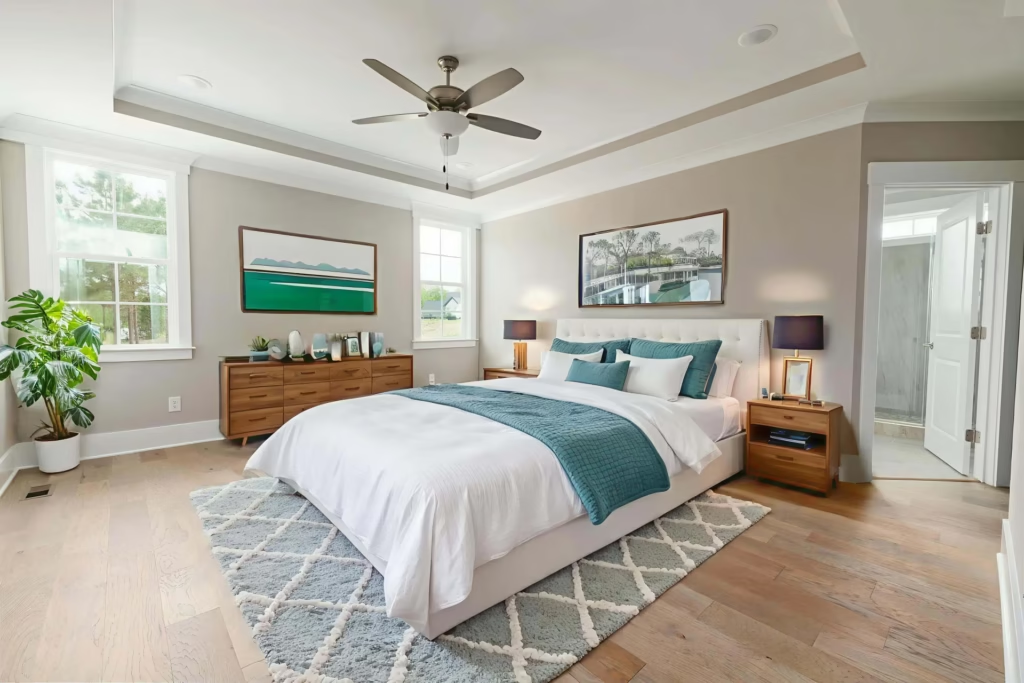
In today’s competitive property market, buyers make decisions faster than ever. Within moments of entering a house—or even viewing photos online—they form emotional opinions that influence whether they move forward or move on. This is where home staging becomes a powerful strategy. More than decorating, it is a thoughtful process that transforms a property into a welcoming, aspirational environment buyers can instantly imagine calling home.
Home staging blends design psychology, visual storytelling, and market awareness to highlight a property’s strengths while minimizing distractions. By presenting spaces in their best possible light, sellers create an emotional connection that often leads to quicker sales and stronger offers.
What Is Home Staging?
Home staging is the art of preparing a property for sale by enhancing its appearance, functionality, and overall appeal. Unlike interior design, which focuses on personal taste, staging aims to attract the widest possible audience.
The process typically involves:
-
Rearranging or replacing furniture
-
Decluttering and depersonalizing rooms
-
Enhancing lighting and space flow
-
Adding neutral décor and accents
-
Highlighting architectural features
The goal is simple: allow potential buyers to envision themselves living comfortably within the space.
Why Home Staging Matters in Modern Real Estate
Today’s buyers often begin their search online, scrolling through dozens of listings within minutes. Homes that appear visually appealing immediately gain attention, while poorly presented properties may be overlooked regardless of location or price.
Effective home staging helps properties stand out by:
-
Creating professional-quality listing photos
-
Making rooms appear larger and brighter
-
Emphasizing lifestyle possibilities
-
Reducing perceived flaws
-
Increasing emotional engagement
A staged home communicates care, value, and readiness, encouraging buyers to take the next step.
The Psychology Behind Home Staging
Buying a home is not purely logical—it is deeply emotional. People imagine their routines, family gatherings, and future memories within a property. Home staging works by subtly guiding these emotions.
Neutralization
Personal items such as family photos or bold décor choices can distract buyers. Neutral styling allows visitors to project their own identity onto the space.
Spatial Perception
Strategic furniture placement improves room flow, helping spaces feel open and functional.
Emotional Comfort
Soft textures, balanced colors, and natural lighting create a sense of calm that makes buyers linger longer.
Lifestyle Visualization
Carefully staged dining tables, cozy living areas, or inviting bedrooms help buyers imagine everyday life within the home.
Through these techniques, home staging turns empty or cluttered rooms into compelling visual stories.
Key Areas That Benefit Most from Home Staging
While every part of a home matters, certain spaces have the strongest impact on buyer impressions.
Living Room
As the main gathering area, the living room should feel spacious and welcoming. Minimal furniture and coordinated décor help define the room’s purpose.
Kitchen
Often considered the heart of the home, kitchens benefit from clean countertops, subtle accessories, and bright lighting.
Primary Bedroom
A serene, hotel-like atmosphere appeals to buyers seeking relaxation and comfort.
Bathrooms
Fresh towels, simple décor, and spotless surfaces create a spa-like impression.
Entryway
First impressions begin at the door. A tidy, inviting entrance sets a positive tone immediately.
Focusing staging efforts on these areas maximizes the effectiveness of home staging strategies.
Home Staging vs Interior Design
Although they share visual similarities, staging and interior design serve different purposes.
| Home Staging | Interior Design |
|---|---|
| Designed to sell a property | Designed for long-term living |
| Neutral and universal appeal | Personalized style choices |
| Temporary setup | Permanent design solutions |
| Focused on buyer psychology | Focused on homeowner preference |
Understanding this difference helps sellers appreciate why professional staging prioritizes simplicity and broad appeal.
Essential Home Staging Techniques
Successful home staging relies on practical, proven techniques that enhance visual harmony.
Decluttering
Removing excess items creates openness and allows architectural features to stand out.
Depersonalizing
Neutralizing personal elements ensures buyers focus on the home rather than its current owners.
Lighting Enhancement
Natural light is emphasized, while additional lamps eliminate dark corners.
Color Balance
Soft, neutral color palettes make rooms appear larger and more versatile.
Furniture Scaling
Appropriately sized furniture improves flow and prevents overcrowding.
Each adjustment may seem small individually, but together they dramatically change perception.
The Role of Photography in Home Staging
Professional real estate photography works hand-in-hand with staging. Since most buyers begin online, photos must capture attention instantly.
Staged homes photograph better because:
-
Rooms appear organized and spacious
-
Lighting highlights textures and colors
-
Visual balance creates appealing compositions
Strong imagery increases online engagement, leading to more showings and higher buyer interest.
Benefits of Home Staging for Sellers
Investing in virtual home staging often produces measurable advantages.
Faster Sales
Staged homes typically attract buyers more quickly than unstaged properties.
Higher Perceived Value
Well-presented homes appear more move-in ready, supporting stronger offers.
Competitive Edge
In crowded markets, staging differentiates listings from similar properties.
Reduced Negotiation Pressure
Buyers perceive fewer issues when homes look maintained and inviting.
These benefits demonstrate how presentation directly influences market success.
Home Staging on Any Budget
Staging does not always require large investments. Simple improvements can produce impressive results.
Affordable staging ideas include:
-
Rearranging existing furniture
-
Adding fresh plants or flowers
-
Updating lighting fixtures
-
Using neutral bedding and cushions
-
Deep cleaning every surface
Even modest changes significantly enhance buyer perception.
Common Home Staging Mistakes to Avoid
To maximize effectiveness, sellers should avoid certain pitfalls.
-
Overdecorating rooms with excessive accessories
-
Using bold or highly personal color schemes
-
Blocking natural light with heavy curtains
-
Ignoring outdoor spaces or curb appeal
-
Leaving maintenance issues unresolved
Successful home staging balances simplicity with warmth.
The Future of Home Staging
As technology evolves, staging continues adapting to modern trends. Virtual tours, digital staging, and lifestyle-focused marketing now complement traditional methods. Buyers increasingly expect homes to feel visually inspiring before scheduling visits.
This shift reinforces the importance of presentation as an essential component of real estate marketing rather than an optional enhancement.
Conclusion Turning Houses into Desired Homes
Selling a property is ultimately about storytelling. Buyers are not just purchasing walls and floors—they are investing in a vision of their future. Home staging brings that vision to life by transforming spaces into environments that feel welcoming, functional, and emotionally engaging.
Through thoughtful design choices, strategic presentation, and attention to detail, staging elevates a home’s appeal and creates lasting impressions. Whether preparing a small apartment or a luxury residence, the principles remain the same: clarity, comfort, and connection.
For More Relevant Information: Click here