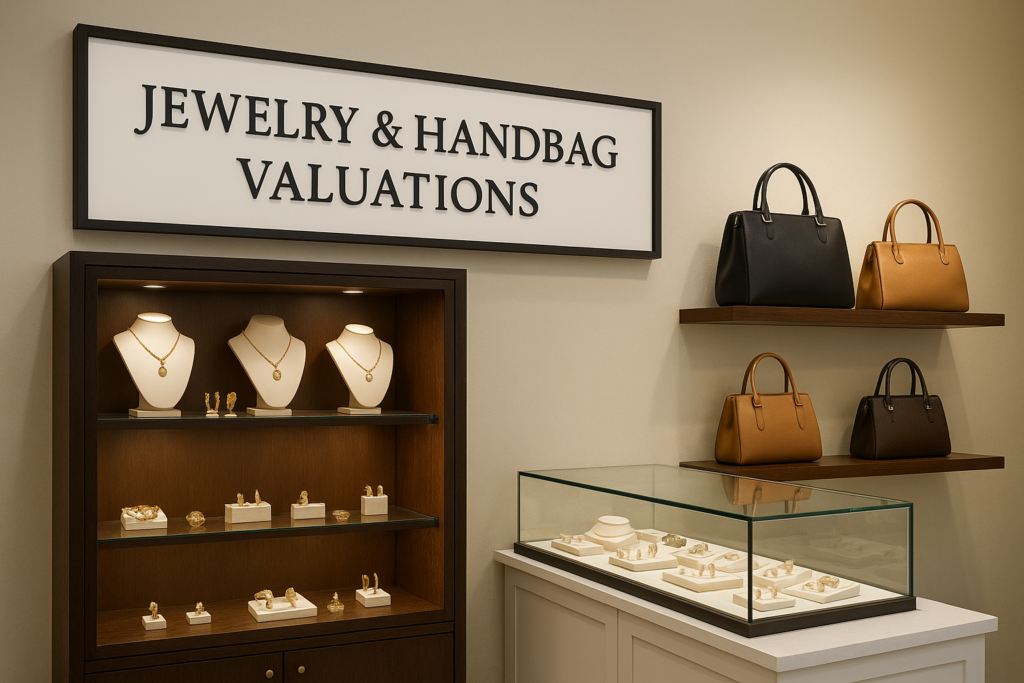
A surprising number of people insure their homes, their cars, even their phones—yet never properly document the jewelry on their fingers or the handbag resting in their closet. It is not negligence; it is usually an assumption. The assumption that a homeowner’s policy automatically covers everything. The assumption that a receipt is proof enough. The assumption that value stays the same.
In reality, luxury items live in a market that is constantly moving. Gold prices shift. Diamond demand rises and cools. Certain handbags quietly become collectors’ pieces. If the documentation attached to your insurance policy has not kept up, your coverage likely has not either.
Insurance valuation is less about formality and more about clarity. It answers a simple but critical question: What would it cost to replace this item today?
Why Is Insurance Coverage Often Incomplete Without Valuation?
Standard insurance policies usually place limits on high-value personal property. Without itemized documentation, payouts may be capped or based on generalized estimates.
A professional handbag appraisal creates a written record of materials, craftsmanship, condition, and current market demand. That record gives insurers something concrete to work with. It eliminates vague descriptions like “designer bag” and replaces them with precise details that matter in a claim.
Jewelry requires the same level of precision. Individuals who request an appraisal service in NYC often do so after realizing that their existing policy lists only a broad category rather than a specific, documented value. In cities where retail and replacement costs are higher, this oversight can be costly.
Without valuation, insurance relies on assumptions. With valuation, it relies on evidence.
What Does a Jewelry Valuation Actually Document?
Many people imagine valuation as a quick glance under bright light. In truth, it is a methodical process designed to remove uncertainty.
How Are Gemstones Evaluated?
Each stone is examined individually. Diamonds are graded according to established criteria, including cut, clarity, color, and carat weight. Other gemstones are assessed for origin, treatment history, saturation, and condition.
Precise measurements are taken. Mountings are inspected for craftsmanship and wear. The goal is not simply to describe the piece, but to define it in enough detail that it can be accurately replaced.
A thorough jewelry appraisal for insurance includes written specifications and photographs. The report explains exactly what is being insured and how its value was determined.
What Role Does Metal Play?
Precious metal content directly affects replacement cost. Platinum differs significantly from white gold. The distinction between 14k and 18k gold also influences value. Metal purity is verified, and weight is recorded.
These details ensure that the valuation reflects actual material composition, not surface appearance.
How Is a Handbag Evaluated Differently?
Unlike jewelry, which derives value largely from materials, handbags rely heavily on craftsmanship, rarity, and market demand.
During a handbag appraisal, attention is given to stitching precision, hardware authenticity, leather quality, interior condition, and identifying details. Limited releases or discontinued models may carry higher replacement values. Condition grading is particularly important; even minor wear can influence pricing.
Professionals who perform jewelry appraisal services in NYC often understand broader luxury market trends. Replacement cost is shaped not only by brand but also by regional demand and retail pricing.
While the criteria differ from those for jewelry evaluation, the objective remains the same: determine what it would cost to replace the item in today’s market.
How Often Should Valuations Be Updated?
Valuation should not be treated as permanent documentation.
Jewelry is typically reassessed every three to five years. Fluctuations in metal prices and gemstone markets can significantly alter replacement cost within that period. Similarly, updating a handbag appraisal ensures that insurance coverage reflects changes in resale demand.
Life changes also prompt review. Marriage, inheritance, relocation, or new acquisitions are all appropriate times to request an updated jewelry appraisal for insurance. Keeping records current prevents coverage gaps from developing unnoticed.
What Happens If You Skip Formal Valuation?
The most immediate risk is underinsurance. If an item is lost or stolen, compensation may not fully cover the cost of replacing it with a comparable piece.
Another concern is the claim delay. Vague descriptions often require additional verification. Detailed documentation prepared through jewelry appraisal in NYC reduces ambiguity and supports smoother claim resolution.
Valuation also plays a role beyond insurance. For estate planning or asset division, documented values provide transparency and fairness. Without them, disagreements can arise.
Is This Only Relevant for Large Collections?
No. Insurance valuation is about impact, not volume. A single engagement ring can represent a significant financial commitment. A cherished heirloom necklace may hold both emotional and monetary value. A carefully maintained handbag may cost far more to replace than expected. A properly prepared handbag appraisal protects one item just as effectively as it protects many.
The practical question is straightforward: If this item disappeared tomorrow, would the current policy fully cover its replacement?
What Should You Expect from a Qualified Appraiser?
Professional qualifications and experience are essential. A reliable appraiser follows recognized grading standards, relies on current market data, and provides a detailed written report.
An expert accustomed to preparing jewelry appraisals for insurance understands insurer expectations and replacement cost methodology. Clear explanations and comprehensive documentation demonstrate credibility.
Independence also matters. Valuation should be objective and evidence-based, free from sales influence.
Conclusion
Luxury handbags and fine jewelry often mark meaningful moments—engagements, anniversaries, achievements, and inheritances. Their significance extends beyond appearance. They represent financial investment and personal history.
Insurance valuation ensures that their financial value is documented accurately and updated responsibly. Whether through a detailed handbag appraisal or a comprehensive jewelry evaluation, proper documentation protects against uncertainty.
Insurance alone is not enough. It must be supported by accurate, current valuation. When that foundation is in place, coverage works as intended—providing clarity, protection, and peace of mind.