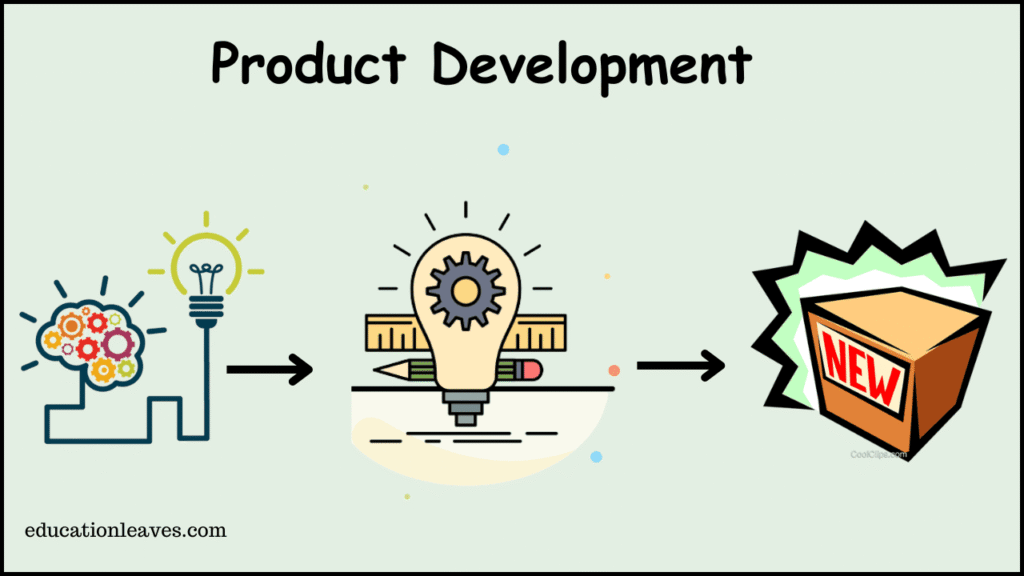
Choosing a new product development company isn’t something you do casually. You’re trusting them with your idea, your capital, and sometimes your reputation. That’s not small. The right metrics help you separate the smooth talkers from the real operators. In this guide, I’ll break down what actually matters, without corporate fluff.
Why Metrics Matter More Than Promises
A lot of firms say they can “accelerate innovation” or “optimize go-to-market strategies.” Sounds impressive. But what does that actually mean? When you hire a new product development company, you need numbers, patterns, evidence.
Metrics cut through the noise. They show consistency. They reveal if the company has actually shipped products or just built pitch decks. You don’t want theory. You want outcomes.
And here’s the thing. Product development is messy. Timelines slip. Budgets stretch. So the metrics you track should tell you how a company performs when things aren’t perfect. That’s where the truth shows up.
Time-to-Market Performance
Speed matters. Not reckless speed, but controlled execution. One of the strongest indicators of a reliable new product development company is how efficiently they move from concept to launch.
Ask about average development timelines. How often do they hit projected deadlines? Do they have data from previous product launches? A company that consistently delivers within reasonable timeframes probably has structured processes behind the scenes.
Delays cost money. They also cost momentum. If your competitors move faster, you lose shelf space, digital attention, and maybe the entire opportunity. So yes, time-to-market is a serious metric.

Budget Accuracy and Cost Control
Let’s talk about money. Because this is where partnerships break down fast.
A seasoned new product development company should be able to estimate costs with reasonable accuracy. Not perfect. But close. If their initial budgets constantly balloon by 40 or 50 percent, that’s not “innovation.” That’s poor planning.
Look at how they manage scope changes. Do they flag risks early? Are there structured review checkpoints? Cost discipline shows maturity. And when you eventually invest in new product launch efforts, you’ll want predictable numbers, not surprises.
Product Success Rate After Launch
Shipping a product isn’t the finish line. It’s the starting line.
You want to know what percentage of the products they helped develop actually performed in the market. That doesn’t mean every product became a unicorn. But did it meet revenue projections? Did it achieve adoption targets?
A credible new product development company should track post-launch performance. If they don’t know what happened after delivery, that’s a red flag. Real partners care about results, not just handoff.
Innovation Capability and Technical Depth
Some companies just iterate. Others actually innovate.
Innovation isn’t about flashy tech. It’s about solving real user problems in smarter ways. Look at their patents, proprietary frameworks, or unique engineering approaches. Ask about complex technical challenges they’ve handled.
A strong new product development company will show depth in engineering, design thinking, prototyping, and testing. Not surface-level knowledge. Depth. You’ll feel it in the way they talk about trade-offs and constraints.
User-Centered Design Metrics
Products fail when users don’t care. Simple.
So evaluate how the company approaches research and user validation. Do they run usability tests? Customer interviews? Beta programs? What’s their iteration cycle based on user feedback?
The best new product development company builds with the end user in mind from day one. They measure engagement, satisfaction, retention. Not just features completed. Because features don’t guarantee value.
Cross-Functional Team Efficiency
Here’s something most people overlook. Internal coordination.
Product development isn’t just engineers typing code. It’s designers, project managers, supply chain specialists, marketers. If communication breaks, progress stalls.
Ask how teams collaborate. What tools do they use? How often do they review milestones? A well-aligned new product development company moves smoothly between departments. You can see it in how organized meetings feel, how clear documentation is, how quickly decisions happen.
Risk Management and Problem-Solving Track Record
Stuff goes wrong. Always.
Components fail. Suppliers disappear. Regulations shift. A reliable new product development company doesn’t panic when problems show up. They anticipate them.
Ask for examples where projects hit serious obstacles. How did they respond? Did they pivot? Did they communicate clearly? Metrics around risk mitigation, issue resolution time, and contingency planning tell you a lot about operational maturity.
You don’t want a partner who’s only good when everything is easy.
Scalability and Manufacturing Readiness
The prototype is cute. A scalable product is powerful.
Some development firms are great at building early-stage models but struggle with manufacturing readiness. That’s a huge gap. If you plan to scale, you need to know whether the new product development company understands tooling, supplier negotiation, quality control, and production ramp-up.
Ask about their experience transitioning from prototype to mass production. Have they managed global suppliers? Do they understand compliance requirements? Scaling is where many ideas die quietly.

Communication Transparency and Reporting
Let me be blunt. If communication is messy early on, it won’t magically improve later.
A strong new product development company provides structured updates, milestone reports, and honest status reviews. Not vague “we’re making progress” emails. Real data. Real timelines.
Transparency builds trust. And trust is currency in long development cycles. When you’re preparing to invest in new product launch strategies, you’ll need confidence in the foundation. That starts with clear communication.
Cultural Fit and Strategic Alignment
This one’s softer, but it matters more than people admit.
If your internal team values speed and experimentation, but the external partner moves cautiously and bureaucratically, friction builds fast. Culture mismatch slows execution.
A great new product development company aligns with your risk tolerance, decision-making style, and long-term vision. They don’t just execute tasks. They think with you. That alignment doesn’t show up on spreadsheets, but it shows up in results.
Conclusion: Make Metrics Your Filter Before You Invest in New Product Launch
Evaluating a new product development company isn’t about glossy presentations or impressive client lists. It’s about performance. Measurable performance.
Time-to-market consistency. Budget discipline. Post-launch success rates. Innovation depth. User validation rigor. Risk management maturity. These metrics reveal how the company behaves under pressure, not just how they sell themselves in meetings.
When you decide to invest in new product launch initiatives, you’re putting serious resources on the line. Marketing spend. Distribution agreements. Brand equity. All of it depends on the quality of the product foundation.
So slow down. Ask uncomfortable questions. Request real data. The right new product development company won’t be offended. They’ll respect it. And that’s usually a good sign you’re dealing with professionals, not pretenders.