Grease trap clean out service sounds simple. Pump it, rinse it, move on. But I’ve seen too many restaurant owners treat it like a once-a-year chore and then wonder why the drains back up on a Friday night. If you run a commercial kitchen, you already know grease is sneaky. It builds slowly, smells terrible, and costs you real money when ignored. Let’s talk about the mistakes people keep making — and how to avoid them.
Thinking You Can “Stretch” Cleanings Too Long
This one is common. Someone looks inside the trap, sees it’s not completely full, and decides to wait another month. Bad move.
Grease doesn’t just sit there politely. It thickens. It hardens. It sticks to the walls and baffles. By the time you finally schedule a grease trap clean out service, the buildup is harder to remove and way more expensive to deal with. Regular service isn’t about convenience. It’s about preventing bigger repairs.
Most health departments don’t play around either. If your grease trap hits that 25% rule — meaning grease and solids make up 25% of the tank — you’re already overdue. Stretching it saves nothing in the long run.
Hiring the Cheapest Company You Can Find
Look, I get it. Margins in food service are tight. But going with the cheapest provider for grease trap pumping usually backfires.
Some companies only skim the top layer. They don’t scrape the walls. They don’t clean the inlet and outlet lines. They pump and run. A real grease trap clean out service empties the whole trap, scrapes it down, checks components, and disposes of waste properly.
Cheap service often means you’ll need another cleaning sooner. Or worse, you’ll face a clog in your main line. Suddenly that “deal” wasn’t much of one.
Ignoring the Baffles and Internal Components
People focus on the grease. Fair. But the baffles inside your trap matter just as much.
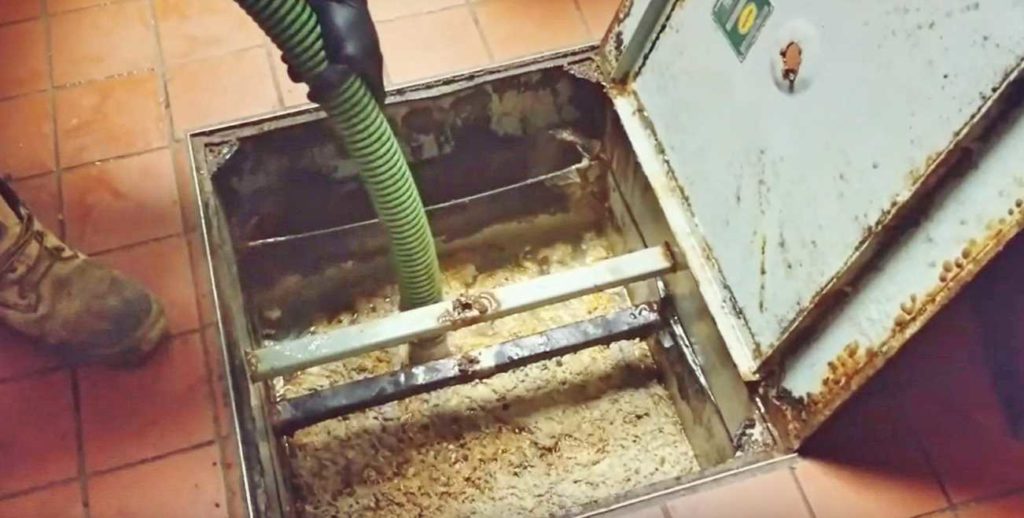
If those internal pieces are damaged or missing, grease flows straight into your sewer line. That leads to blockages further down the system, where repairs get complicated and expensive. A thorough grease trap clean out service should include inspection of these components, not just pumping.
I’ve seen kitchens shut down for something that could’ve been caught during a routine check. Don’t assume everything inside is fine just because water is still draining.
Waiting Until There’s a Smell
If you’re smelling your grease trap, it’s already overdue.
Odor is usually the last warning sign, not the first. By the time the kitchen starts to smell like sour oil and rot, the trap is overloaded. Bacteria are breaking down waste and producing gases. Not exactly the vibe you want in a dining room.
Routine grease trap clean out service prevents odor before it becomes noticeable. If you’re reacting to smells, you’re already in damage control mode.
Dumping the Wrong Stuff Down the Drain
Here’s a hard truth. A grease trap isn’t magic.
Coffee grounds, food scraps, paper towels, mop water with chemicals — all of that ends up in the trap. The more solids you send down, the faster it fills. And the harder it is to clean. Even with regular grease trap pumping, abuse shortens the lifespan of the system.
Train your staff. Scrape plates into the trash. Wipe pans before washing. Small habits make a big difference over time.
Skipping Documentation and Maintenance Logs
Health inspectors love paperwork. And so should you.
Every grease trap clean out service should provide a manifest or service report. Dates, volumes pumped, disposal details. Keep those records organized. If an inspector asks, you don’t want to be digging through old emails.
Beyond compliance, logs help you spot patterns. If you notice the trap filling faster during busy seasons, you can adjust your cleaning schedule before problems start.
Forgetting About the Lines Beyond the Trap
The trap is only part of the system. What about the pipes leading to and from it?
Over time, grease can accumulate in those lines, especially if cleanings have been inconsistent. Even if your trap is pumped regularly, buildup in the pipes can cause slow drainage or backups. That’s when additional services might be necessary to clear the lines completely.
A good grease trap clean out service provider will flag early signs of line issues instead of ignoring them.
Not Scheduling Service Based on Actual Usage
Some owners schedule cleanings every three months because that’s what someone told them years ago. But usage changes.
If your restaurant adds delivery, extends hours, or expands the menu with more fried food, grease output increases. On the flip side, slower months might allow slightly longer intervals. The key is adjusting your grease trap clean out service schedule to real kitchen activity.
Static schedules don’t always work. Pay attention to what your kitchen is actually producing.
Trying DIY Shortcuts
I’ve heard it all. Boiling water. Enzyme treatments. Degreasers poured straight down the drain.
Those methods might loosen surface grease temporarily, but they don’t remove solids from the trap. In fact, some chemicals push grease further down the system where it cools and solidifies. That creates blockages in harder-to-reach places.
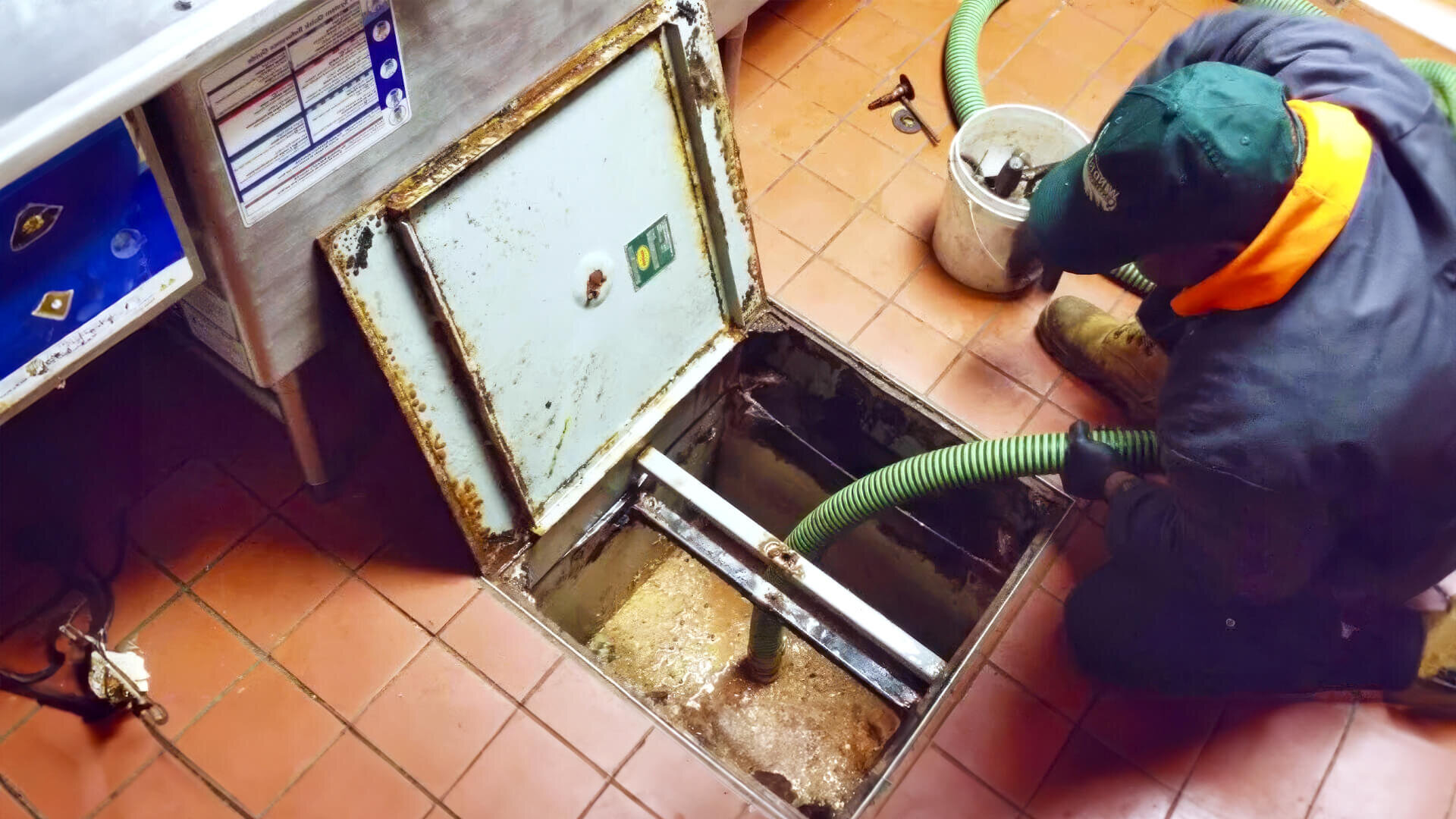
Professional grease trap clean out service isn’t just about pumping. It’s about proper disposal and full removal of accumulated waste. Shortcuts often cost more later.
Overlooking Long-Term System Health
Your grease trap connects to a larger plumbing and sometimes septic system. If grease escapes consistently, it doesn’t just clog pipes. It can affect the entire drainage field.
For properties using septic systems, excess grease can migrate into the field lines. When that happens, you’re looking at much bigger interventions. In some cases, services like hydro jetting septic field lines become necessary to restore flow and remove hardened buildup.
Keeping up with regular grease trap clean out service reduces the chance of these larger system failures. It’s all connected.
Conclusion: Stay Proactive, Not Reactive
At the end of the day, avoiding common grease trap clean out service mistakes comes down to one thing. Don’t wait for a crisis.
Schedule regular cleanings based on actual usage. Hire a company that does more than a quick pump. Keep records. Train your staff. And if you’re dealing with recurring backups beyond the trap, consider whether deeper cleaning like hydro jetting septic field lines might be needed to fully clear the system.
Grease problems don’t explode overnight. They build quietly. Stay ahead of it, and your kitchen runs smoother, smells better, and passes inspections without stress.