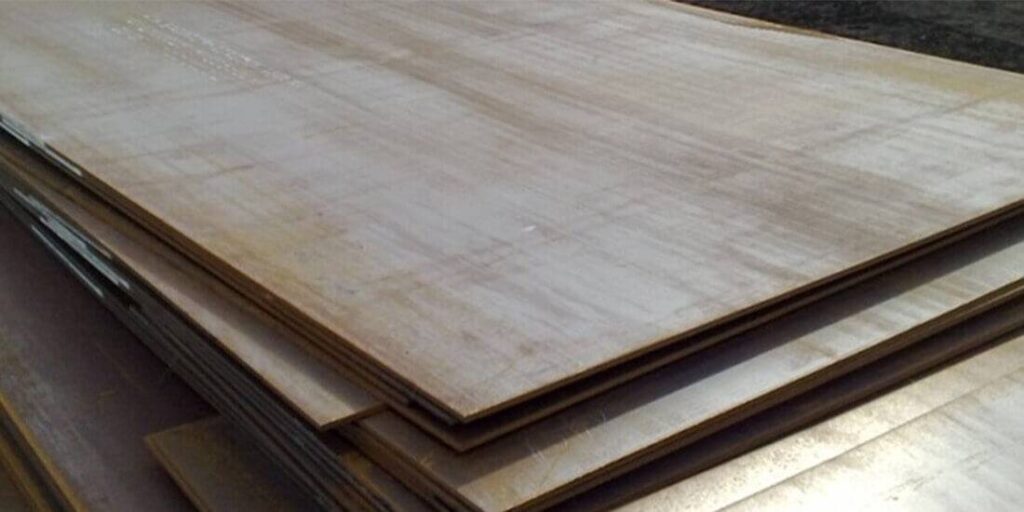
Abrasion resistant (AR) steel plates are specially engineered to withstand severe wear caused by friction, impact, and continuous material flow. These plates are widely used in industries such as mining, construction, cement, power generation, and bulk material handling, where equipment is exposed to harsh operating conditions. Choosing the right grade of abrasion resistant steel plate plays a vital role in extending equipment life and reducing maintenance costs.
What Are Abrasion Resistant Steel Plates?
Abrasion resistant steel plates are high-carbon alloy steels known for their exceptional hardness and durability. Unlike mild steel, AR plates are designed to resist surface wear while maintaining adequate toughness to absorb impact. These plates are generally classified based on their Brinell hardness (HBW), which indicates their resistance to abrasion.
Common Grades of Abrasion Resistant Steel Plates
AR 400 Steel Plates
AR 400 plates typically offer a hardness range of 360–440 HBW, making them suitable for applications requiring moderate wear resistance along with good formability.
Uses:
-
Mining liners
-
Dump truck bodies
-
Chutes and hoppers
-
Earthmoving equipment
AR 450 Steel Plates
With hardness levels between 430–480 HBW, AR 450 plates provide better abrasion resistance while retaining good impact strength.
Uses:
-
Crusher liners
-
Conveyor components
-
Cement plant machinery
-
Coal handling systems
AR 500 Steel Plates
AR 500 plates feature a hardness range of 470–530 HBW, making them ideal for severe abrasion environments.
Uses:
-
Mining buckets
-
Rock handling equipment
-
Shot blasting machines
-
Heavy-duty wear liners
AR 600 Steel Plates
AR 600 is among the hardest abrasion resistant grades, offering exceptional resistance to extreme wear.
Uses:
-
High-impact mining applications
-
Aggregate processing systems
-
Extreme abrasion zones
Chromium Carbide Overlay (CCO) Plates
CCO plates consist of a base steel plate with a chromium carbide wear layer, delivering outstanding resistance to sliding abrasion.
Uses:
-
Cement mills
-
Power plant ash handling
-
Steel and sinter plants
Choosing the Right AR Steel Grade
Selecting the correct grade depends on factors such as:
-
Type of abrasion (sliding or impact)
-
Operating conditions
-
Fabrication needs
-
Desired service life
Working with an experienced abrasion resistant steel plates supplier ensures the right material selection based on real-world application requirements.
Benefits of Using Abrasion Resistant Steel Plates
-
Longer equipment lifespan
-
Reduced downtime and maintenance
-
Improved operational efficiency
-
Lower long-term operating costs
Conclusion
Abrasion resistant steel plates are essential for industries exposed to high wear and impact conditions. Grades such as AR 400, AR 450, AR 500, and AR 600 offer different performance levels to suit specific applications. Understanding their properties and uses helps in selecting the right plate for maximum durability and cost efficiency.