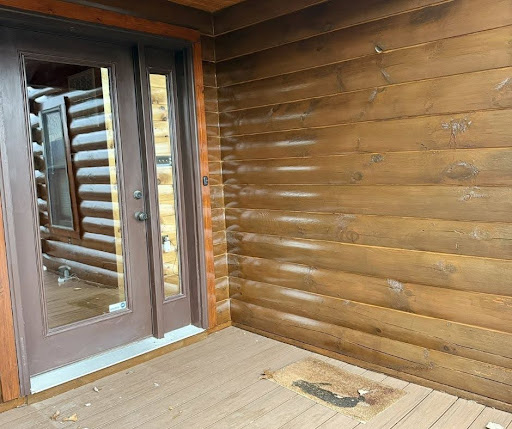
Owning a log home feels like living in a storybook. The smell of pine, the creak of the floors, the way the light hits those rounded logs in the morning—it’s cozy. But let’s be honest: log homes demand attention. They age differently than regular houses. They breathe, expand, and shrink with the seasons. And if you’re not keeping up, that charm can turn into expensive headaches fast. One of the simplest ways to avoid those headaches? Regular log house caulking. It’s not glamorous. It’s not exciting. But it works, and it saves money in ways most homeowners don’t even think about.
Log house caulking isn’t just cosmetic. It’s not about making your walls look neat. Think of it like the glue in your house. Logs move. Wood cracks. Gaps open. And when that happens, air leaks in. Moisture sneaks in. Bugs find their way inside. Heat escapes. Suddenly your electric bill spikes, and the logs start showing wear faster. A little crack might look harmless at first. But leave it alone, and you’re staring down a long-term repair that could’ve been avoided. Regular caulking plugs those tiny weaknesses before they become real problems. It’s cheap, straightforward, and effective.
Why Skipping Caulking Can Cost You
Some homeowners see log caulking as optional. They figure, “It looks fine, the logs are solid, no big deal.” That’s a gamble. Wood swells and shrinks with temperature and humidity. Over time, even a hairline crack widens. Water gets in during rainstorms, snow melts into your gaps in winter, and suddenly you’re not just talking about cosmetic damage. Moisture leads to rot, and rot spreads faster than most people realize. That’s when a simple patch turns into a log cabin rotten log repair project. And let me tell you: rotten logs aren’t cheap. Replacing or repairing them isn’t just time-consuming—it’s expensive, labor-intensive, and can even compromise your home’s structural integrity if ignored long enough.
It’s frustrating because the signs are obvious if you know what to look for. Dark stains on logs, soft spots under your fingertips, a musty smell inside, maybe even tiny leaks around windows or doors. Ignore these signals, and it gets worse. One neglected corner can invite water damage that spreads behind walls, under floors, and into your insulation. The repair bills escalate quickly. By contrast, keeping up with log house caulking nips all of that in the bud. You don’t have to wait until it’s a crisis.
The Real Benefits of Regular Log House Caulking
Here’s the thing: when you caulk your logs consistently, you’re protecting more than just the wood. You’re protecting your comfort, your energy bills, and your wallet. Air infiltration and heat loss are sneaky. You might not notice them at first. But those tiny leaks make your heating system work harder in winter and your AC struggle in summer. Regular caulking seals gaps and keeps your home more energy-efficient. You’re basically paying a few bucks now to avoid hundreds later. And it’s not just about money. It’s about avoiding stress, too. Repairs are always disruptive. Sitting on a ladder in the rain or scheduling a costly contractor for log cabin rotten log repair—none of that is fun. Caulking consistently saves you all that hassle.
Another thing people underestimate: insects and pests. Gaps in logs are invitations. Termites, carpenter ants, and even smaller bugs can get in and set up shop. Then you’re dealing with pest control, structural damage, and the creeping dread of “what else have they destroyed?” A well-sealed log home discourages unwanted visitors. It’s preventative maintenance in its most literal sense. Not sexy, but effective.
Timing and Technique Matter
Here’s where a lot of homeowners trip up. You can’t just slap any sealant on and call it a day. Logs expand and contract. Temperature changes make some caulks fail if they’re not designed for wood movement. That means the best results come from a product that stretches with the wood and sticks in all weather. Apply too early or too late in the season, and it doesn’t last. Crack-filling caulking might look easy, but proper prep is key. Clean the old gaps, remove any loose debris, and make sure the surface is dry. If water is trapped under the new caulk, it can accelerate rot instead of preventing it. And yes, it takes patience. A little sloppy caulking might look fine, but in a year or two, it could peel or crack again. The goal is durability. You want something that holds up through winters, hot summers, and all the weather swings in between.
Don’t Wait Until It’s Rotten
I’ve seen it too many times. People shrug off small cracks, thinking they’ll deal with it later. Then a winter storm hits, a spring thaw follows, and suddenly that crack has grown into a massive headache. Rot sets in. Logs soften. Doors and windows stick. And now you’re staring at log cabin rotten log repair. Costs skyrocket. The longer you wait, the worse it gets. It’s not about being paranoid. It’s about being realistic. Wood is a living material. It changes. It ages. You either work with it or pay the price later. There’s no magic fix once decay takes hold, short of removing and replacing the damaged log entirely.
Small Efforts, Big Savings
The beauty of log house caulking is its simplicity. You don’t need heavy machinery or complex skills. A caulking gun, quality sealant, a ladder, and a free weekend can save thousands in future repairs. Think of it like regular oil changes for your car—skip them, and the engine suffers. Skip caulking, and your logs suffer. It’s preventive. It’s affordable insurance. And it compounds over time. The more consistent you are, the fewer major issues you’ll face later, protecting not just the structure but even the interior design of log cabins from moisture damage and hidden decay.
It’s also worth noting that caulking isn’t just about keeping water out. It preserves the aesthetic of your home. Those tight seams make your logs look crisp, cared for, and well-maintained. Nothing says “I neglected this place” like gaps, dark stains, and warped logs. A home that looks maintained holds its value better, which counts if you ever sell. It’s another layer of financial protection that most people overlook.
Conclusion: Don’t Wait for the Damage
Let’s cut to it: log homes are beautiful, but they’re high-maintenance. That’s just the truth. You can’t ignore the cracks, the shifting wood, or the small gaps that form over time. Regular log house caulking isn’t glamorous. It isn’t exciting. But it works. It keeps water out, pests away, and your energy bills down. It prevents small cracks from growing into major repairs and keeps rot from taking over your logs. Skipping it might feel fine today, but tomorrow, you could be staring at a log cabin rotten log repair nightmare that could’ve been avoided with some consistent care. A few hours with a caulking gun might seem like a chore now, but it’s a lot cheaper—and a lot less stressful—than a full-blown repair later. In a log home, prevention isn’t just wise. It’s money in your pocket and peace of mind in your life.