Here’s a sourcing problem nobody talks about enough — finding products that are both good quality and actually sell.
Most wholesale guides tell you how to find cheap. Find the lowest price per unit, protect your margins, move on. But cheap and sellable are two very different things. A wholesale laptop bag that costs you $8 per unit means nothing if customers return it after two weeks because the zipper jammed or the padding compressed to nothing. A rack of clothing from a wholesale manufacturer looks great on paper until you realize the sizing runs inconsistently and you’re drowning in exchanges.
The real goal isn’t just finding wholesale — it’s finding wholesale that works. Products your customers come back for. Suppliers who send the same quality on the fifth order that they sent on the first. Manufacturers who pick up the phone when something goes wrong instead of going quiet.
If you’re a business owner, founder, or brand builder trying to build a product line that holds up — not just one that gets out the door — this is the guide you actually need.
The Real Difference Between Wholesale That Sells and Wholesale That Sits
Walk into any overstock liquidation sale and you’ll find plenty of wholesale product that someone bought and couldn’t move. Bags with awkward proportions. Clothing in colorways nobody asked for. Tote bags so thin they feel disposable straight out of the packaging.
That stuff got sourced on price. And it shows.
The products that actually sell — the ones that get reordered, that generate good reviews, that customers recommend to friends — those come from suppliers who understand what the end consumer actually wants. Durable materials. Functional design. Consistent sizing. Details that feel intentional rather than cut-corner.
When you’re evaluating wholesale suppliers, the question to keep asking yourself isn’t “is this cheap enough?” It’s “would I be proud to sell this?” If the answer is anything less than a clear yes, the margin you saved on sourcing will get eaten up by returns, bad reviews, and slow inventory.
How to Source Wholesale Laptop Bags That Customers Actually Keep
The best wholesale laptop bags come from manufacturers who specialize in structured bag production, use graded materials like YKK zippers and reinforced canvas, and provide full spec sheets before bulk orders. Buying on price alone in this category almost always results in high return rates.
Laptop bags are a trust product. When your customer puts their computer inside your bag, they’re trusting that the padding will protect it, the zipper won’t catch, and the straps won’t give out on a crowded subway platform. That trust — or the breaking of it — becomes your brand reputation.
Here’s what separates the wholesale laptop bags worth stocking from the ones that’ll fill your inbox with complaints:
Compartment structure. A laptop bag should have a dedicated, padded laptop sleeve that’s separate from the main compartment. If the laptop just sits inside a generic open space with a thin foam layer glued to the back panel, that’s not adequate protection — it’s a marketing label on a regular bag.
Shoulder strap construction. Wide, padded shoulder straps with a non-slip backing hold up to daily carry. Narrow straps with no padding start hurting after 20 minutes and get returned or abandoned fast.
Base stability. The bottom of a laptop bag should hold its shape even when set down on an uneven surface. Bags that collapse or tip over because the base has no structure are a functional annoyance that customers notice immediately.
Water resistance. Not every laptop bag needs to be fully waterproof, but some degree of water resistance in the outer material is a feature that buyers in 2024 actively look for. Ask your supplier about the material treatment before assuming it’s there.
Businesses looking for durable, padded options with custom branding available can check out the wholesale laptop bags range at Rays Creations, where bulk pricing and MOQ flexibility come standard.
Finding Quality Tote Bags Wholesale That Don’t Feel Cheap
Tote bags are everywhere. Every trade show, every brand launch, every corporate event hands them out. Which means if you’re selling tote bags, the bar for “acceptable” has gotten higher — because customers have held enough bad ones to know the difference immediately.
When you’re sourcing quality tote bags wholesale, the first thing you’re evaluating is material weight. Canvas totes under 10oz feel lightweight in a way that reads as cheap to most people who pick them up. 12oz canvas is the starting point for a tote that feels substantial. 14oz and above is where you get into bags that feel genuinely premium and hold their shape under load.
Beyond weight, here’s what actually separates quality tote bags from filler product:
Handle length and attachment. Handles that are too short force an awkward wrist carry when the bag is full. Handles that are too long drag on the ground when you’re walking. Industry standard for a shoulder-carry tote is around 25 to 28 inches. And as mentioned before — the stitching at the handle attachment point should be reinforced with a box stitch pattern, not a single seam that’ll pull under load.
Base gusset. A tote bag with a flat base gusset stands upright when set down and holds its structure when filled. Without it, you’ve got a bag that flops sideways every time it’s put down — a small thing that customers notice more than you’d think.
Interior finish. Even a basic canvas tote benefits from an interior lining or at minimum a cleanly finished interior seam. Raw interior seams that fray over time are a quality signal that customers pick up on and remember.
Print durability. If you’re adding your logo or brand artwork, screen printing holds up significantly better over washes than heat transfer. Ask your supplier specifically which method they use and request a wash test on your sample before committing to bulk.
For high-volume branded tote orders with screen printing and embroidery options, the quality tote bags wholesale collection at Rays Creations includes wash-tested samples before any bulk run.
What to Look For in a Wholesale Manufacturer Clothing Partner
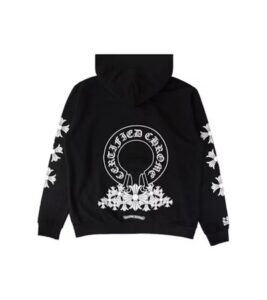
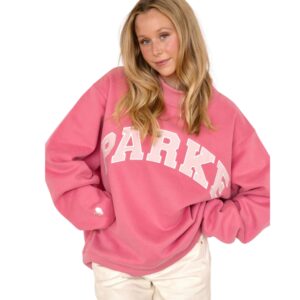
Apparel sourcing is where a lot of product businesses hit a wall. The first order goes fine. The quality looks good, the sizing is consistent, the delivery lands on time. Then the second order comes in and something’s off. The fabric feels slightly different. Two sizes run narrow. The screen print on the hoodies has a different finish than the last batch.
This isn’t always intentional — but it is avoidable with the right supplier and the right process.
When you’re evaluating a wholesale manufacturer clothing partner, consistency across orders is the main thing you’re testing for — not just quality on the first run.
Here’s how to actually evaluate that before you commit:
Ask for their repeat client list. A clothing manufacturer who delivers consistent work keeps clients for years. If they can’t point you to brands they’ve worked with across multiple seasons or order cycles, that’s worth noting.
Request a pre-production sample from your actual materials. Not a stock sample from their showroom — a sample made from the specific fabric, colorway, and trim you’ve chosen. This is the only way to know that what you approved on paper is what comes off the production line.
Nail down fabric sourcing. Where does their fabric come from? Is it available year-round or subject to seasonal supply issues? A manufacturer with an unstable fabric supply chain will pass those delays straight to your production timeline.
Discuss shrinkage and wash specs upfront. For cotton-heavy garments especially, pre-shrinking and wash testing should be part of the standard process. If your supplier treats this as optional, your customers will be the ones who discover the problem — usually in a review.
Put reorder pricing in writing. First-order pricing that quietly jumps on the second run is a common enough tactic that it’s worth addressing directly in your initial negotiation. Get reorder pricing documented before you place your first order.
Brands building consistent apparel lines can review the wholesale manufacturer clothing options at Rays Creations for private label runs with stable pricing across reorders.
Sourcing Wholesale Crossbody Purses That Actually Move Off the Shelf
Crossbody bags are one of the most consistently strong performers in the accessories category. They’re practical, they work across age groups, and the demand is steady year-round. But the wholesale crossbody market is also one of the most saturated — which means the difference between product that sells fast and product that sits comes down to details most buyers don’t check at the sourcing stage.
When you’re evaluating wholesale crossbody purses, here’s what you should be looking at beyond the obvious:
Strap adjustability and hardware. The adjustable strap is one of the most-used functional elements of a crossbody bag and it’s also one of the first things that fails on cheaper options. The slider hardware should move smoothly, hold firmly once set, and show no signs of flaking or corrosion on the finish.
Body structure. A crossbody that holds its shape when empty feels premium. One that flops flat the moment you take anything out reads as cheap — even if the material is decent. Internal structure, whether from a stiffened lining or a frame, makes a real difference to how the bag feels in hand.
Zipper placement and pull quality. Main compartment zippers should run smoothly without catching on the lining. The zipper pull should have some weight to it and sit flush against the bag when closed. A small detail — but it’s the kind of thing your customer handles every time they open the bag.
Interior organization. A crossbody with a card slot, a small interior pocket, and a key clip holder is a crossbody that gets used daily. One with just an open interior becomes the bag people grab when they have nothing else. Functionality drives repeat use and that drives word-of-mouth.
Leather versus vegan alternatives. Both have their market — but make sure your supplier is clear about what they’re providing. Genuine leather, PU leather, and bonded leather all look similar in product photos and have very different durability profiles in real life. Get the material specification documented before you finalize any bulk order.
For crossbody styles with adjustable hardware and private label options, browse the wholesale crossbody purses catalog at Rays Creations, where custom lining and hardware finishes are available on bulk orders.
Red Flags That Apply to Every Category
These show up whether you’re sourcing laptop bags, tote bags, clothing, or crossbody purses. They’re consistent enough that it’s worth keeping them front of mind during every supplier conversation.
They can’t provide a spec sheet. A real manufacturer has documentation on their products. Material grades, dimensions, weight, component brands — this information should be readily available. If a supplier can’t or won’t provide a spec sheet, you have no way to hold them accountable to what you agreed on.
Sample quality doesn’t match described specs. If you ordered a sample based on a 12oz canvas specification and what arrives feels like 8oz, that gap between description and reality will show up in your bulk order too. Don’t rationalize it away because the sample looks nice otherwise.
They’re vague about production location. Some suppliers present themselves as manufacturers but are actually trading companies placing your order with a factory you’ve never vetted. That’s not always a dealbreaker — trading companies can have strong quality control systems — but you should know exactly who is making your product and where.
Pricing drops dramatically when you push back. A first quote followed by a 30% price drop the moment you express hesitation suggests the original quote had significant padding — which also suggests the quality claims may have had similar flexibility built in.
No clear answer on what happens if the order is wrong. Before you place any bulk order, ask directly: if these goods arrive and don’t match the approved sample, what’s the process? A supplier with a real answer has dealt with this before and has a system. A supplier who gets defensive or vague at this question is telling you something important.
How Rays Creations Handles Bulk Bag and Clothing Orders
Rays Creations is a leather and apparel manufacturing company based in Dix Hills, New York. They work with businesses across a wide range — from founders placing their first 50-unit order to established brands running consistent large-scale wholesale production across multiple product categories.
Their product range covers both bags and apparel. On the bag side, that includes laptop bags, crossbody purses, tote bags, duffle bags, leather wallets, and purses — all with full customization options including private labeling, custom hardware, embossing, screen printing, and embroidery. On the apparel side, they handle t-shirts, hoodies, jackets, activewear, and more with the same level of customization available.
What makes them a practical option for growing brands is the combination of flexible MOQs and consistent quality across reorders. You’re not forced into a large first commitment, and the quality standard from your first run carries through to your third and fourth.
Reach the team at care@rayscreations.co or call 516 528-5820. Their office is at 2 Vanderbilt Parkway, Dix Hills, NY 11746.
Before Any Bulk Order Goes Through — Run This Checklist
Get a physical sample before committing — not photos, not a video walkthrough, an actual sample in your hands. Confirm every material spec in writing including grade, weight, and component brands. Lock in a firm production timeline before your deposit clears. Ask for at least two client references and follow up on them. Understand the dispute and return process before you need it. Start with a smaller test run and scale up once you’ve seen consistent performance across that first order.
This process takes more time upfront. That’s the point. The extra time you spend vetting a supplier before you commit is time you’re not spending managing a bad order, processing returns, or looking for a replacement manufacturer six months down the road.
The brands that build strong product lines aren’t always the ones who found the best products first. They’re the ones who found the right suppliers first — and then everything else followed naturally from that foundation.