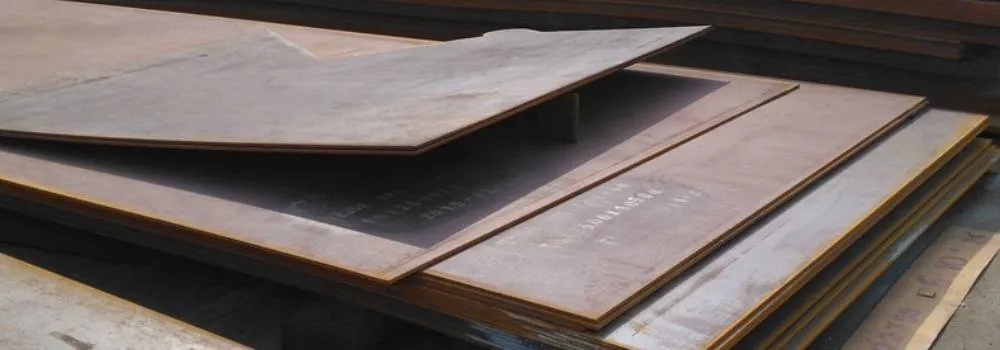
Manganese steel plate is a high-impact, wear-resistant steel known for its exceptional toughness and work-hardening properties. A trusted Manganese Steel Plate Supplier ensures premium quality material designed to perform under extreme abrasion and impact conditions. Commonly referred to as Hadfield steel, manganese steel plates are widely used in mining, construction, and heavy machinery industries where durability is essential.
What Is Manganese Steel Plate?
Manganese steel plate is an austenitic steel alloy that typically contains 11–14% manganese. This high manganese content gives the material its unique ability to harden under impact while maintaining excellent toughness internally.
Unlike conventional steel, manganese steel becomes harder when subjected to shock or heavy loads. This makes it particularly suitable for high-wear environments.
Key Features of Manganese Steel Plate
1. Exceptional Work Hardening
The surface hardens when exposed to impact or abrasion, increasing wear resistance over time.
2. High Impact Strength
Absorbs heavy shock loads without cracking or breaking.
3. Superior Abrasion Resistance
Performs exceptionally well in environments with sand, gravel, and other abrasive materials.
4. Excellent Toughness
Maintains structural integrity even under severe stress conditions.
5. Non-Magnetic Properties
In its austenitic state, manganese steel is generally non-magnetic.
Benefits of Using Manganese Steel Plate
Longer Equipment Life
Reduces the frequency of replacements in high-wear applications.
Reduced Maintenance Costs
Minimizes downtime and repair expenses in heavy industries.
High Performance in Extreme Conditions
Maintains strength and hardness under continuous impact.
Cost-Effective for Heavy-Duty Use
Though initially higher in cost than standard steel, its extended lifespan offers better long-term value.
Major Industrial Uses of Manganese Steel Plate
1. Mining Industry
Widely used in crusher liners, jaw plates, cone crushers, and impact hammers where severe wear occurs.
2. Construction Equipment
Applied in excavator buckets, bulldozer blades, and earthmoving machinery.
3. Railway Components
Used in railway crossings, switch points, and track components due to its high wear resistance.
4. Cement and Quarry Industries
Ideal for material handling systems that deal with abrasive raw materials.
5. Heavy Machinery Parts
Suitable for industrial equipment exposed to heavy impact and mechanical stress.
Comparison with Conventional Steel
Unlike carbon steel plates, manganese steel plates improve in hardness during service due to work hardening. While carbon steel may wear down quickly under heavy impact, manganese steel becomes more resistant over time.
Welding and Fabrication Considerations
Manganese steel requires specific welding procedures to maintain its properties. Preheating is generally avoided, and controlled welding techniques are recommended to prevent cracking and preserve its austenitic structure.
Conclusion
Manganese steel plate is a high-performance material designed for extreme wear and impact applications. With its unique work-hardening ability, superior toughness, and excellent abrasion resistance, it is widely used in mining, construction, railway, and heavy industrial sectors. Choosing a reliable manganese steel plate supplier ensures consistent quality and long-lasting performance in demanding environments.