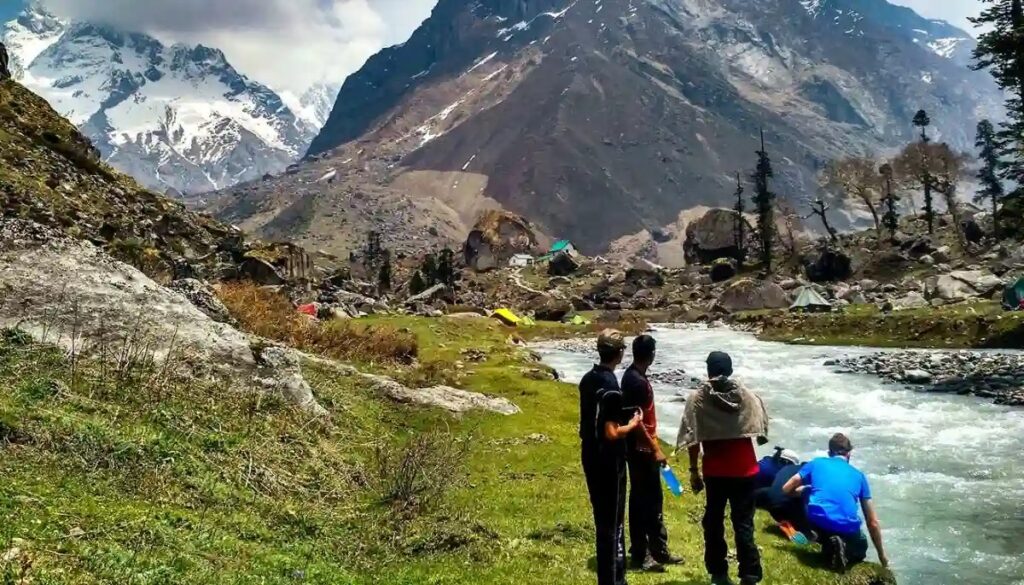
Before planning any Himalayan trek, one of the first things people worry about is altitude. It is especially important for first-time trekkers who are not used to high mountains. Har Ki Dun Trek is known for its gradual climb, which makes it one of the safer and more comfortable trekking options in Uttarakhand.
In this blog, we will clearly explain the altitude, height gain, and why Har Ki Dun is considered suitable for beginners.
What Is the Altitude of Har Ki Dun Trek?
- Maximum altitude: around 11,700 feet (3,566 meters)
- Base camp (Sankri): approximately 6,400 feet
Compared to many Himalayan treks that go above 14,000 or even 15,000 feet, Har Ki Dun stays at a moderate height. This gives your body enough time to adjust naturally to the changing altitude.
How Gradual Is the Height Gain?
The height gain during this trek happens slowly over several days:
- Day 1–2: Drive and short walk at lower altitude
- Day 3: Gradual ascent through forest trails
- Day 4: Final climb into Har Ki Dun Valley
There are no sudden jumps in altitude. This steady increase greatly reduces the risk of Acute Mountain Sickness (AMS). Because the climb is slow and natural, most trekkers feel comfortable during the journey.
Is Har Ki Dun Trek Safe for Beginners?
Yes, Har Ki Dun is widely known as a beginner-friendly trek, as long as you have basic fitness and prepare properly.
Reasons why beginners prefer this trek:
- Moderate altitude
- Clear and well-marked trails
- No technical climbing
- Comfortable camping locations
- Regular water sources along the route
Many people choose Har Ki Dun as their first multi-day Himalayan trek because it feels manageable and safe.
Do You Need Acclimatization Days?
Formal acclimatization days are usually not needed for this trek. Still, you should follow simple precautions:
- Walk at a steady pace
- Do not rush the climb
- Drink enough water
- Inform your guide if you feel uncomfortable
These basic habits are generally enough to stay comfortable at this altitude.
Common Altitude Symptoms to Watch For
Although serious issues are rare, some trekkers may feel:
- Mild headache
- Tiredness
- Loss of appetite
In most cases, these symptoms go away with proper rest, hydration, and regular meals.
How to Prepare for the Altitude
Before starting the trek, simple preparation can make a big difference:
- Walk or jog regularly for 20–30 days
- Practice stair climbing
- Get proper sleep before travel
- Avoid alcohol and smoking during the trek
Good physical preparation helps your body adjust more easily to higher altitude.
Why Har Ki Dun Is a Good Choice for First-Timers
- Altitude stays below 12,000 feet
- Surrounded by greenery and forest trails
- No risky or exposed sections
- Comfortable campsites and guide support
All these factors make the trek enjoyable instead of stressful, especially for beginners.
Final Thoughts
The altitude and height of Har Ki Dun Trek are within safe limits for most healthy individuals. With basic fitness and a positive mindset, beginners can complete this trek without major difficulty and truly enjoy the experience.
If you feel nervous about high-altitude trekking, Har Ki Dun is a comfortable and confident place to begin your journey in the Himalayas.