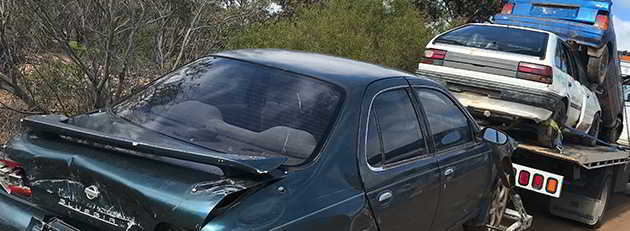
Cars play an important role in daily life. They take people to work, help families travel, and carry goods across cities and towns. Yet every vehicle reaches a stage when it can no longer serve its purpose on the road. Age, accidents, and mechanical failure often mark the end of its driving life. When this stage arrives, the vehicle begins a new journey inside a car scrap yard.
Many people imagine scrap yards as fields filled with rusting metal. The reality is different. These places operate as organised centres where vehicles are dismantled, materials are sorted, and parts find new uses. A scrap yard stands at the centre of the vehicle recycling process and plays an important role in reducing waste. Visit Website: https://www.localcashforcar.com.au/
What Is a Car Scrap Yard?
A car scrap yard is a facility where damaged, old, or unused vehicles are taken apart so their parts and materials can be reused or recycled. These yards receive vehicles from many sources. Some arrive after accidents. Others come from households that no longer need them. Businesses may also send fleet vehicles once they reach the end of their service life.
Each car that enters a yard contains many materials. Steel forms the body. Aluminium appears in engine parts and wheels. Copper sits in wiring. Plastics, rubber, and glass also form a large portion of the structure. A single vehicle may contain more than thirty thousand individual components.
Because of this complex structure, scrap yards operate with a clear process to recover useful materials and manage waste safely.
The Arrival of a Vehicle
The journey begins when a vehicle reaches the yard. Some cars arrive by towing trucks because they can no longer run. Others may still move but are no longer suitable for road use. During this stage, staff record the vehicle details such as model, year, and condition.
Many cars that reach scrap yards are more than fifteen years old. In Australia, the average vehicle age is above ten years, and many older vehicles eventually leave the road because maintenance becomes difficult or parts become scarce.
Once the vehicle is registered in the yard system, the dismantling process begins.
Removing Hazardous Fluids
Before any dismantling takes place, all fluids must be removed. Cars contain several liquids that can harm soil or water if released into the environment. These fluids include engine oil, brake fluid, coolant, transmission fluid, and fuel.
Special equipment drains these liquids into sealed containers. Each fluid type is stored separately so it can be treated or recycled later. For example, used motor oil can be cleaned and reused as industrial fuel or processed into lubricating products.
Proper fluid removal plays an important role in protecting the environment. Even a small amount of oil can contaminate large quantities of water. For this reason, environmental rules in many countries require strict handling of vehicle fluids.
Dismantling the Vehicle
After fluid removal, workers begin to dismantle the vehicle. The process follows a careful order so that reusable parts remain in good condition.
Common components removed during this stage include:
-
Engines and gearboxes
-
Batteries
-
Alternators and starter motors
-
Doors and mirrors
-
Seats and interior fittings
-
Radiators and air conditioning units
Many of these parts may still function well even if the vehicle itself no longer runs. Repair workshops and car owners often seek such components for maintenance work on older vehicles.
Tyres may also be removed and inspected. Some tyres may still hold roadworthy condition. Others are sent for recycling where rubber can be processed into materials used in construction surfaces or playground flooring.
Sorting Materials
After major parts are removed, the remaining shell of the car moves to the next stage. Workers separate different materials so they can be recycled correctly.
Steel forms the largest portion of most vehicles. Around sixty to seventy percent of a car’s weight consists of steel. This metal is valuable because it can be melted and used again without losing strength.
Aluminium is another important material. It appears in engines, wheels, and structural parts. Recycling aluminium uses far less energy than producing it from raw ore. Studies show that recycled aluminium requires about five percent of the energy used in new aluminium production.
Copper wiring is also recovered. Copper remains important for electrical systems in vehicles and other industries. Recovering it from scrap vehicles reduces the need for mining new copper deposits.
Crushing and Shredding
When usable parts and materials have been removed, the remaining body shell moves to large machines. First, the vehicle may pass through a crusher that compresses it into a compact block. This step reduces the space needed for transport.
After crushing, the metal often goes to a shredder. A shredder breaks the metal structure into small pieces. Powerful magnets and sorting equipment separate steel, aluminium, and other metals during this stage.
The sorted metal fragments are then transported to recycling plants. These facilities melt the metal and form it into new products. Some recycled steel returns to vehicle manufacturing, while other portions may appear in construction materials or household items.
Environmental Role of Scrap Yards
Vehicle recycling plays an important part in environmental protection. According to global recycling studies, more than twenty million vehicles reach the end of their road life each year. Without proper recycling, these vehicles would occupy huge areas of landfill.
Steel recycling from vehicles also saves natural resources. Producing steel from recycled material reduces the need for iron ore and coal. It also lowers greenhouse gas emissions during manufacturing.
Batteries from vehicles require careful handling as well. Car batteries contain lead and acid. When recycled correctly, most of the lead can be reused in new batteries. This process prevents harmful materials from entering soil or water.
Through these steps, scrap yards reduce waste and support material recovery.
The Second Life of Car Parts
Many parts removed from scrap vehicles continue to serve useful purposes. An engine from one car may power another vehicle after repairs. A mirror or door panel may replace damaged parts in similar models.
Even small components such as switches, handles, and electronic units may return to service. This reuse reduces the need to produce new parts and helps extend the life of older vehicles.
Metals that cannot be reused as parts still gain new roles after recycling. Steel from scrapped cars may become building beams, railway tracks, or new vehicle bodies. Aluminium may appear in drink cans, construction frames, or transport equipment.
Through these cycles, materials from one vehicle continue their life in many different forms.
The Human Side of Scrap Yards
Scrap yards also reflect the history of motoring. Rows of vehicles show changes in design, engineering, and technology across different decades. Older cars display features such as manual window winders and simple dashboards, while newer models include electronic systems and complex wiring.
Workers in these yards often develop strong knowledge of vehicle structures. They recognise parts from many models and understand how each component fits into the larger system of the car.
For enthusiasts, scrap yards sometimes become places where rare parts appear. A component removed from an old vehicle may help restore another car that remains on the road.
The Final Stage in the Vehicle Journey
Every vehicle that reaches a scrap yard begins a new phase in its life cycle. Though it no longer travels on roads, its materials and parts continue to serve many purposes. This transformation shows how recycling plays a major role in modern industry.
The phrase unwanted car removal appears often when discussing this stage of a vehicle’s life. The process reflects more than disposal. It marks the beginning of material recovery and reuse.
From the outside, a scrap yard may appear to be a resting place for old machines. Inside the yard, however, vehicles move through a structured process where parts are recovered, metals are sorted, and resources return to use again.
In this way, the final stop for a vehicle becomes the starting point for many new products and structures across the world.