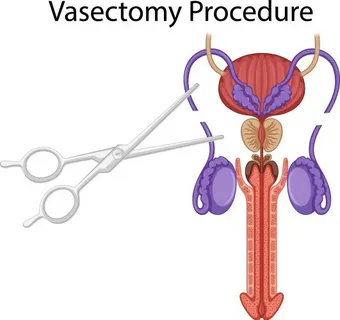
A vasectomy is a widely used and highly effective form of male sterilization. It is a minor surgical procedure that involves cutting or sealing the vas deferens to prevent sperm from entering the semen. The procedure is generally safe, quick, and performed in an outpatient setting. Most men recover without complications, but like any surgical procedure, mild side effects can occur during the healing process. One of the most common early concerns is surgical site irritation.
Surgical site irritation after a vasectomy may include redness, swelling, tenderness, itching, or mild discomfort around the incision area. In most cases, these symptoms are temporary and resolve with proper care. However, understanding early treatment approaches can significantly improve recovery, prevent complications, and ensure patient comfort.
This article explores the causes of surgical site irritation following a vasectomy, as well as the most effective early treatment methods recommended by healthcare professionals.
Understanding Surgical Site Irritation After Vasectomy
After a vasectomy, the body begins a natural healing process at the incision site. Because the procedure involves small cuts in the scrotal skin and manipulation of internal structures, mild irritation is a normal response. The body sends immune cells to repair tissue damage, which can result in temporary inflammation.
Common symptoms of surgical site irritation include:
- Mild redness around the incision
- Slight swelling in the scrotal area
- Sensitivity or tenderness when touched
- Minor itching during the healing stage
- Light bruising or discoloration
These symptoms typically appear within the first 24 to 72 hours after the procedure. While most cases resolve naturally, proper care and early treatment strategies are important to avoid infection or prolonged discomfort.
Causes of Irritation Following Vasectomy
Several factors may contribute to irritation at the surgical site after a vasectomy. Understanding these factors can help patients manage recovery more effectively.
Tissue Inflammation
Inflammation is the body’s natural response to surgical trauma. Even though the incision used in modern vasectomy procedures is very small, surrounding tissues may temporarily become inflamed as part of the healing process.
Friction and Physical Activity
Excessive movement or friction in the groin area can irritate the healing incision. Activities such as heavy lifting, running, or prolonged walking soon after a vasectomy may worsen irritation.
Moisture and Hygiene Issues
Moisture trapped in the scrotal area can irritate the incision and increase the risk of infection. Poor hygiene practices or wearing tight, non-breathable clothing may contribute to discomfort.
Minor Infection Risk
In rare cases, bacteria may enter the surgical site, leading to redness, warmth, or increased swelling. Early treatment is essential if infection is suspected after a vasectomy.
Importance of Early Treatment
Early treatment plays a crucial role in preventing minor irritation from progressing into more serious complications. Addressing symptoms quickly can:
- Reduce inflammation and discomfort
- Prevent bacterial infections
- Speed up tissue healing
- Improve overall recovery experience
Healthcare providers typically provide patients with detailed post-procedure care instructions following a vasectomy, which are designed to minimize irritation and support healing.
Rest and Activity Modification
One of the most effective early treatments for surgical site irritation after a vasectomy is adequate rest. Patients are usually advised to limit physical activity for the first few days following the procedure.
Rest allows the body to focus on healing damaged tissues and reduces the risk of irritation caused by friction or strain. Avoiding strenuous exercise, heavy lifting, and sexual activity during the initial recovery period is particularly important.
Gradual return to normal activities helps prevent additional stress on the surgical area.
Cold Compress Therapy
Cold therapy is commonly recommended to reduce swelling and irritation after a vasectomy. Applying a cold pack or ice pack to the scrotal area can help decrease inflammation and numb mild discomfort.
Cold compresses should be applied for about 10–15 minutes at a time, several times per day during the first 24 to 48 hours. It is important to wrap the ice pack in a cloth to prevent direct skin contact, which can cause irritation.
This simple treatment method is highly effective in managing early post-operative symptoms.
Proper Wound Care and Hygiene
Maintaining good hygiene is another key component of early treatment after a vasectomy. Patients should keep the surgical site clean and dry to prevent irritation and infection.
Doctors often recommend the following wound care practices:
- Gently cleaning the area with mild soap and water
- Avoiding harsh chemicals or antiseptics unless prescribed
- Patting the area dry instead of rubbing it
- Keeping the incision covered with a clean bandage if necessary
Proper wound care significantly reduces the risk of complications and supports faster healing.
Supportive Underwear
Wearing supportive underwear is often recommended after a vasectomy to minimize irritation and swelling. Tight-fitting but comfortable underwear or athletic supporters help stabilize the scrotum and reduce movement.
Supportive garments can also reduce friction between the surgical site and clothing. This stabilization helps protect the healing tissue and improve overall comfort during recovery.
Most patients are advised to wear supportive underwear for at least one week after the procedure.
Anti-Inflammatory Medications
Over-the-counter anti-inflammatory medications may be used to manage irritation after a vasectomy. Medications such as ibuprofen can help reduce inflammation, swelling, and mild pain.
However, patients should only take medications according to medical guidance. Some medications may increase bleeding risk or interact with other treatments.
If irritation persists despite medication, a healthcare provider may recommend additional treatment options.
Monitoring for Signs of Infection
Although irritation is common after a vasectomy, certain symptoms may indicate infection and require medical attention.
Warning signs include:
- Increasing redness or swelling
- Pus or unusual discharge from the incision
- Fever or chills
- Severe or worsening pain
- Persistent warmth around the surgical site
Early detection and treatment of infection are important to prevent complications and ensure proper healing.
Follow-Up Medical Care
Follow-up visits are an essential part of recovery after a vasectomy. During these appointments, healthcare providers evaluate the surgical site and ensure that healing is progressing normally.
Doctors may also perform semen analysis tests to confirm that sperm are no longer present in the semen, ensuring that the vasectomy procedure was successful.
If surgical site irritation persists or worsens, medical professionals can provide additional treatment or reassurance during follow-up visits.
Long-Term Outlook
The long-term outlook after a vasectomy is excellent for most patients. Surgical site irritation is usually temporary and resolves within a few days to a couple of weeks with proper care.
Modern surgical techniques, including the no-scalpel method, have significantly reduced the risk of complications and improved recovery outcomes.
By following recommended early treatment strategies, patients can experience a smooth healing process and quickly return to normal daily activities.
Conclusion
Surgical site irritation is a relatively common but manageable side effect following a vasectomy. Symptoms such as mild redness, swelling, and tenderness are typically part of the natural healing process. However, early treatment approaches—including rest, cold therapy, proper hygiene, supportive underwear, and anti-inflammatory medications—can significantly improve comfort and speed recovery.
Understanding these treatment strategies allows patients to manage post-procedure symptoms effectively and reduce the risk of complications. With proper care and monitoring, most individuals recover quickly and experience the long-term benefits of a successful vasectomy.
FAQs
1. How long does surgical site irritation last after a vasectomy?
Mild irritation after a vasectomy typically lasts between a few days and one to two weeks. Most symptoms improve quickly with rest, proper hygiene, and supportive care.
2. When should I see a doctor for irritation after a vasectomy?
You should contact a healthcare provider if irritation after a vasectomy becomes severe, worsens over time, or is accompanied by symptoms such as fever, pus, increasing swelling, or intense pain. These signs may indicate infection and require medical evaluation.