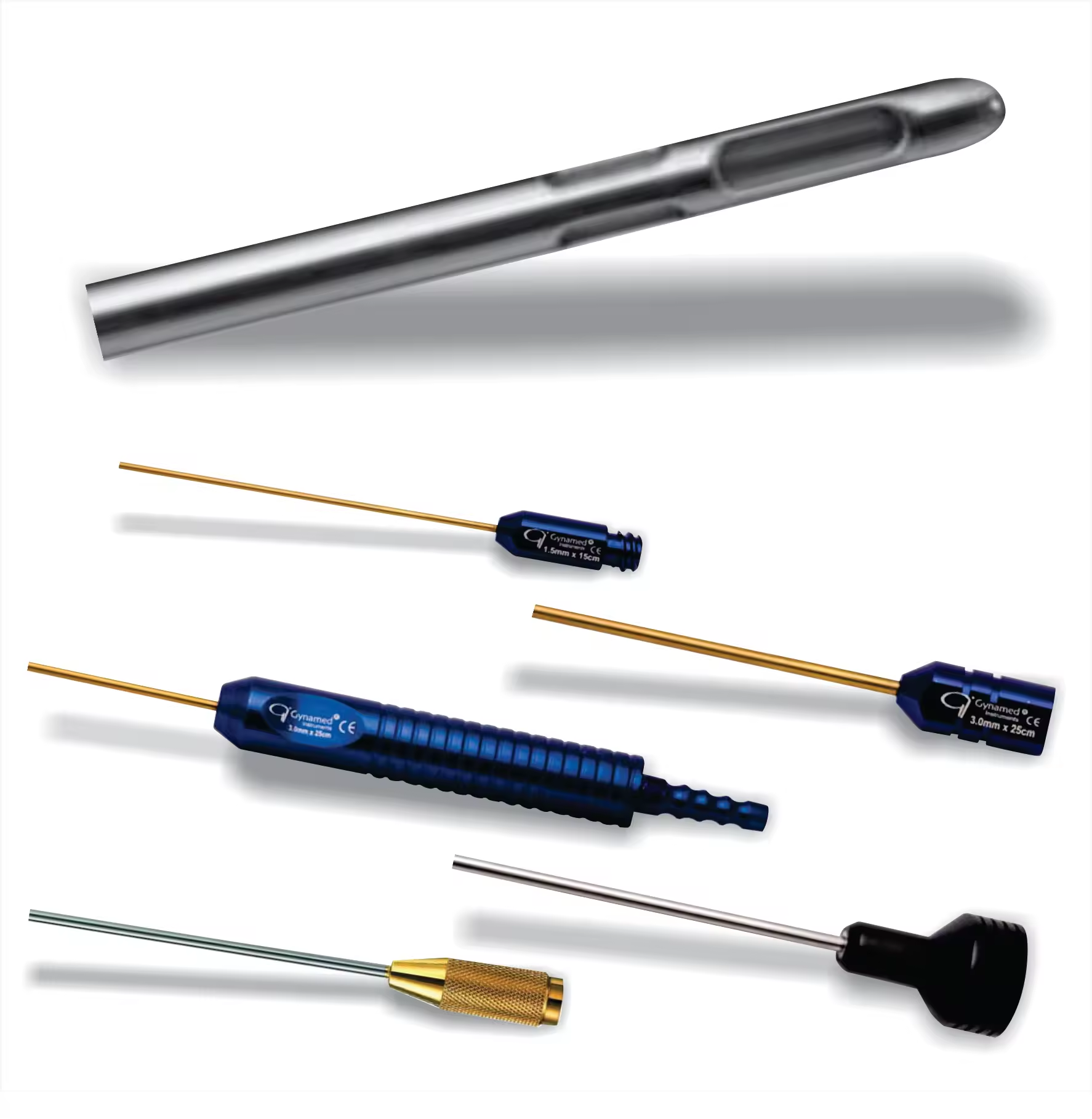
Introduction: Transforming Facial Contouring with Precision Instruments
In modern aesthetic surgery, precision is everything. The rise of minimally invasive procedures such as facelifts, tumescent liposuction, and nano fat transfer has transformed the way surgeons approach facial rejuvenation. Central to this revolution are specialized surgical instruments like the Facelift Infiltrator Liposuction cannula.
In this comprehensive guide, you’ll learn:
- What facelift and tumescent cannulas are and how they work
- The differences between types of cannulas, including Spatula Tip Cannulas and Toledo V Dissecting Fat Injection Cannulas
- Best practices for facial fat transfer and liposuction
- Real-life applications, pros and cons, and FAQs
By the end, you’ll have a clear understanding of how these tools enhance surgical outcomes and patient satisfaction.
What Is a Facelift Infiltrator Liposuction Cannula?
The Facelift Infiltrator Liposuction cannula is a surgical instrument designed for precision fat removal and infiltration during facial procedures. Unlike traditional liposuction tools, these cannulas are engineered to navigate delicate facial tissues with minimal trauma.
Key Features
- Tumescent Infiltration Capability: Delivers anesthetic solution and fluid precisely, reducing bruising and swelling.
- Custom Tip Designs: Available in Spatula Tip, Spoon Tip, and Pyramid Liposuction variants to suit different facial regions.
- Smooth Fat Extraction: Compatible with Nano Fat Transfer Kits, ensuring fat integrity for subsequent injections.
Types of Surgical Cannulas for Facial Procedures
Understanding the variety of cannulas is crucial for selecting the right tool for each procedure.
1. Facial Tumescent Cannula
- Purpose: Delivers tumescent solution efficiently during liposuction.
- Design: Thin, curved, with multiple perforations for even fluid distribution.
- Advantages: Reduces swelling and postoperative discomfort.
2. Tumescent Infiltration Cannula
- Purpose: Specifically designed to infiltrate local anesthetic solutions safely.
- Design: Can include six spiral hole cannulas to ensure uniform distribution.
- Application: Commonly used in delicate facial areas like the jawline and cheeks.
3. Fat Injection Cannulas
- Nano Fat Transfer Cannula: Ideal for harvesting ultra-purified fat for fine lines and soft tissue augmentation.
- Toledo V Dissecting Cannula: Provides controlled fat dissection for more precise sculpting.
- Spoon Tip Cannula: Used for fat injection in superficial layers, enhancing facial contouring.
4. Harvesting Cannulas
These cannulas are designed to extract fat with minimal trauma, maintaining fat cell viability for reinjection. They are an essential component of nano fat transfer procedures.
The Science Behind Nano Fat Transfer
Nano fat transfer is a cutting-edge technique for facial rejuvenation, using fat harvested via specialized cannulas. Unlike traditional fat grafting, nano fat transfer involves:
- Micro-filtration: Using a Nano Fat Transfer Kit to purify fat cells.
- Precision Injection: Using thin cannulas like the Fat Injector Cannula for superficial facial layers.
- Regenerative Benefits: Fat contains stem cells that improve skin quality and volume naturally.
Studies have shown that patients undergoing nano fat transfer experience enhanced skin elasticity and long-lasting facial rejuvenation compared to conventional fillers.
Real-Life Applications: Case Studies
Case Study 1: Mid-Face Rejuvenation
A 52-year-old patient presented with volume loss in the cheeks. Using a Facelift Infiltrator Liposuction cannula, the surgeon performed a tumescent infiltration followed by nano fat harvesting and injection.
Outcome:
- Minimal bruising and swelling
- Natural contour restoration
- High patient satisfaction
Case Study 2: Jawline Definition
A 40-year-old patient sought improved jawline definition. Surgeons employed a Pyramid Liposuction Cannula for fat removal and a Spoon Tip Cannula for precision injection along the jawline.
Outcome:
- Sharper jawline with balanced facial proportions
- Smooth recovery and consistent results
Pros and Cons of Facelift Infiltrator Liposuction Cannulas
Pros:
- Enhanced precision for delicate facial areas
- Reduced postoperative swelling and bruising
- Compatible with advanced fat transfer techniques
- Versatile designs for multiple applications
Cons:
- Requires surgical expertise for optimal results
- Equipment can be costly
- Risk of over- or under-correction if improperly used
FAQs About Surgical Cannulas
Q1: Are all cannulas suitable for nano fat transfer?
A1: No. Only thin, specialized cannulas such as the Nano Fat Transfer Cannula or Fat Injector Cannula are appropriate.
Q2: How long is the recovery after facial liposuction with these cannulas?
A2: Recovery is typically 7–10 days, with minimal swelling due to tumescent infiltration.
Q3: Can cannulas reduce scarring?
A3: Yes. Smaller, precise cannulas minimize tissue trauma, leading to less scarring.
Q4: Are these instruments reusable?
A4: Most professional cannulas are reusable after proper sterilization, though single-use options are available for safety.
Conclusion: Precision Tools for Exceptional Results
The Facelift Infiltrator Liposuction cannula and related instruments are game-changers in aesthetic surgery. They allow surgeons to perform precise, minimally invasive procedures with superior results. Whether for nano fat transfer, tumescent infiltration, or general facial contouring, selecting the right cannula is essential.
CTA: Share your experiences with facial liposuction or nano fat transfer in the comments below, or consult a qualified surgeon to see which cannula suits your aesthetic goals.