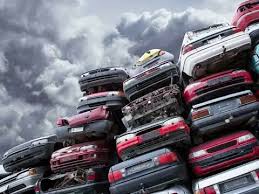
Old cars often sit in garages, driveways, or backyards for many years. Some do not run, while others are too damaged or worn out to use. Many people think an old car has no purpose once it stops working. Yet this idea is not correct. Even a damaged or non-running car still contains materials that can be reused.
A scrap yard plays a key role in this process. It collects old vehicles and turns their parts and materials into resources that can be used again. When a person decides to selling your old car to a scrap yard, it supports the environment in several ways. Many of these effects remain hidden to most people. This article explains how this choice helps reduce waste, save resources, and lower harm to the planet.
Old Cars Hold Valuable Materials
A modern vehicle contains many types of materials. Steel is the main one, but a car also has aluminium, copper, plastic, rubber, and glass. Each of these materials can be returned to use through recycling.
Steel is one of the most recycled materials in the world. According to industry reports, about 75% of a car is made from steel and iron. When a scrap yard processes an old car, it removes these metals and sends them to recycling plants. These metals melt down and form new products.
This step reduces the need to mine fresh metal from the earth. Mining requires large amounts of energy and water. It also disturbs land and wildlife areas. By recycling metals from old vehicles, the pressure on natural resources becomes lower.
Lower Energy Use Through Metal Recycling
Metal recycling uses much less energy than producing metal from raw ore. This fact plays an important role in environmental protection.
For example, recycled aluminium uses about 95% less energy than aluminium made from raw bauxite ore. Steel recycling also saves significant energy during production. When scrap yards collect vehicles and send metals for recycling, this step helps reduce overall energy demand.
Lower energy use means fewer fossil fuels burned during production. As a result, air pollution and greenhouse gas emissions drop. This helps slow climate change and improve air quality.
Reducing Landfill Waste
Old cars contain many parts that take many years to break down in landfills. Rubber tyres, plastic parts, and metal components remain in the ground for long periods.
Scrap yards reduce this waste problem. Instead of sending an entire vehicle to a landfill, they remove parts and sort materials for recycling. Tyres, batteries, and fluids are handled through proper systems.
This process prevents harmful materials from entering soil and water sources. It also reduces the size of landfill sites. Landfills already hold large amounts of waste, so keeping vehicles out of them helps protect land space.
Safe Removal of Hazardous Fluids
A vehicle contains several liquids that can harm the environment if they leak into the ground. These include engine oil, brake fluid, coolant, transmission fluid, and fuel.
When an old car sits unused for a long time, these liquids may leak slowly. Rainwater can carry them into soil and waterways. This can harm plants, animals, and water supplies.
Scrap yards drain and store these fluids before dismantling the car. They use proper containers and handling methods. Some fluids even go through treatment so they can return to industrial use.
This step prevents harmful chemicals from spreading into the environment.
Extending the Life of Car Parts
Not every part in an old vehicle is damaged. Many components still work well and can be used in another vehicle. Scrap yards inspect engines, gearboxes, alternators, radiators, and other parts.
Working components may be sent to reuse markets, where they support vehicle repairs. This reduces the need to produce new car parts. Manufacturing new parts requires raw materials, factory energy, and transport.
Reusing parts reduces these production steps. As a result, fewer natural resources are used. This also reduces emissions associated with manufacturing and transport.
Lower Carbon Emissions from the Vehicle Industry
The global automotive industry produces significant carbon emissions. Emissions come from mining, metal production, part manufacturing, and vehicle assembly.
Vehicle recycling helps reduce this impact. When metal and parts are returned for reuse, factories require fewer new materials. This leads to lower production emissions.
Each recycled car contributes to this cycle. When thousands of vehicles enter scrap yards each year, the combined environmental effect becomes large.
This shows how one old vehicle can play a small role in reducing industry emissions.
Protection of Land and Wildlife
Mining for metals often requires large open areas of land. Forests may be cleared, and soil layers may move during mining operations. Wildlife habitats may change or disappear.
Recycling metals from old vehicles reduces the demand for mining. When industries receive recycled metal, they depend less on raw ore extraction.
This helps protect forests, rivers, and wildlife habitats. The effect may seem indirect, yet it plays an important role in long-term environmental protection.
Supporting a Circular Resource Cycle
A circular system means materials remain in use for as long as possible. Instead of throwing items away, industries reuse and recycle them repeatedly.
Vehicle recycling fits well into this system. Metals, plastics, and glass from old cars are recycled into production cycles. Some materials may even appear in future vehicles.
Through this process, waste becomes a resource. This approach helps reduce the need for new materials and lowers pressure on natural systems.
A Cleaner Urban Environment
Abandoned cars often appear in empty lots, along roadsides, or in private yards. These vehicles can become sources of pollution.
Rusting metal may release particles into the ground. Broken glass and leaking fluids can also create hazards. Old vehicles can even attract pests and insects.
Selling such vehicles to scrap yards removes these risks from neighbourhoods. Once the car leaves the area, the site becomes cleaner and safer for people and wildlife.
Supporting Responsible Vehicle Disposal
Vehicle disposal requires proper handling. Scrap yards follow steps that ensure safe dismantling and material sorting. This system allows each vehicle to pass through an organised recycling chain.
In some areas, people search online for terms like Cash for Cars Bankstown when they want to remove an unwanted vehicle. Services linked to vehicle recycling help direct cars toward scrap yards rather than illegal dumping sites.
Responsible disposal helps protect the environment and supports recycling industries.
The Role of Scrap Yards in Modern Recycling
Scrap yards act as collection points for old vehicles. They receive cars that no longer run or cars that have reached the end of their road life. After receiving a vehicle, workers begin a process called dismantling.
They remove fluids, tyres, batteries, and working components. Then they separate metal parts for recycling. Large machines crush the vehicle body so the metal can travel to recycling plants.
This system allows nearly every part of the vehicle to serve another purpose. In many cases, about 85 to 90%of a vehicle can be returned to use through recycling.
A Practical Step Toward Environmental Care
Small actions can create meaningful environmental change when many people take part. Selling an old car to a scrapyard may seem like a routine decision, yet it supports a large recycling network.
Each vehicle that enters this system helps reduce waste, conserve materials, and lower pollution risks. These results occur quietly behind the scenes, which is why many people do not notice them.
Some vehicle owners choose to contact companies such as Grande Cash for Cars when they decide to remove an unwanted vehicle. This step moves the car into the recycling chain, where its materials continue to serve new purposes.
Conclusion
An old vehicle may appear useless once it stops running. Yet inside that car remain many materials and parts that still hold purpose. Scrap yards collect these vehicles and guide them through a recycling process that protects the environment.
Metal recycling saves energy, reduces mining, and lowers emissions. Proper fluid removal prevents soil and water contamination. Reused parts support vehicle repairs and reduce manufacturing demand.
Each step contributes to a wider environmental effort. Selling an old vehicle to a scrap yard does more than clear space at home. It also supports responsible recycling and helps protect natural resources for the future.