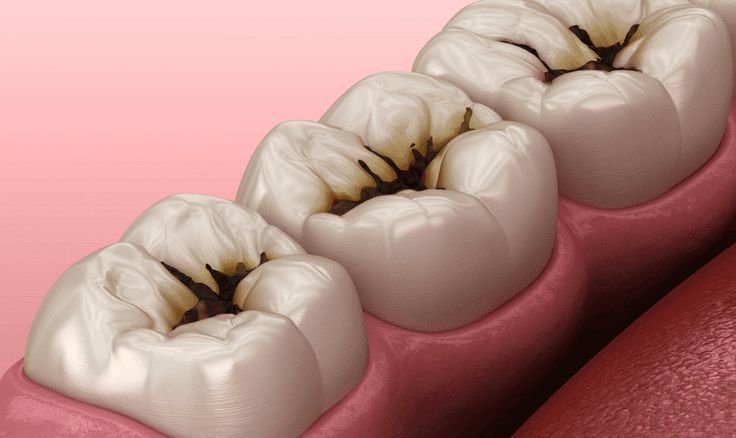
Tooth problems are becoming more common today, and one issue many people face is a tooth fracture. A broken or cracked tooth can cause pain, sensitivity, and difficulty while eating. Many people ignore the early signs, but even a small crack can grow into a serious dental problem if it is not treated on time.

Good oral health is not only about having a bright smile. It is also about keeping teeth strong and healthy so they can work properly every day. When a tooth fracture happens, it can affect chewing, speaking, and overall dental comfort.
This article explains what a tooth fracture is, why it happens, the symptoms you should notice, and how proper care and dental treatment can help protect your oral health.
What Is a Tooth Fracture?
A tooth fracture happens when a tooth becomes cracked, chipped, or broken. This damage can affect the outer layer of the tooth or reach deeper areas near the nerve.
Teeth are strong, but they are not unbreakable. Biting hard objects, accidents, or weak enamel can cause a fracture.
When a tooth fracture appears, it may look small at first, but the problem can slowly grow. If bacteria enter the crack, infection and pain may start.
Common Types of Tooth Fracture
Dentists often see different kinds of tooth fractures. Each type affects the tooth in a different way.
Minor Tooth Crack
This is a small crack on the tooth surface. It may not cause pain at first, but it should still be checked.
Chipped Tooth
A small piece of the tooth breaks off. This often happens while eating hard food.
Split Tooth
This is a deeper crack that divides the tooth into sections.
Severe Tooth Break
This type reaches the inner part of the tooth and may cause strong pain.
Why Are Tooth Fracture Cases Increasing?
Many daily habits can increase the chance of a tooth fracture. Modern lifestyles, food choices, and stress on teeth all play a role.
Hard Foods
Biting ice, hard candy, nuts, or bones can put pressure on teeth. Over time this pressure may cause cracks.
Teeth Grinding
Some people grind their teeth while sleeping. This habit slowly weakens tooth structure and may lead to a fracture.
Accidents or Sports Injuries
Falls, road accidents, or sports without mouth protection can damage teeth.
Weak Enamel
Poor diet, lack of vitamins, and acidic drinks can weaken enamel. Weak enamel increases the risk of a tooth fracture.
Old Dental Fillings
Large fillings can reduce the strength of a tooth and make it more likely to break.
Signs That May Indicate a Tooth Fracture
Sometimes a tooth fracture is easy to notice, but in many cases the crack is hidden. Knowing the symptoms can help you act early.
Pain While Chewing
If you feel sudden pain while biting or chewing, it may indicate a cracked tooth.
Sensitivity to Hot or Cold
A fractured tooth can react strongly to hot drinks or cold foods.
Swelling Around the Tooth
Swelling or irritation in the gum near the tooth may appear.
Visible Crack or Chip
In some cases, the fracture can be seen in the mirror.
Sharp Pain That Comes and Goes
This type of pain may happen when pressure is placed on the tooth.
Why Early Care Is Important for Oral Health
Ignoring a tooth fracture can lead to more serious dental problems.
When a crack becomes deeper, bacteria can enter the inner part of the tooth. This may lead to infection or severe pain.
Proper dental care helps protect oral health and prevents further damage.
Prevents Infection
Treating the fracture early helps stop bacteria from reaching the tooth nerve.
Protects Nearby Teeth
A damaged tooth can affect surrounding teeth if left untreated.
Restores Normal Chewing
Repairing the tooth helps you eat comfortably again.
Maintains Overall Oral Health
Healthy teeth support better chewing, speaking, and confidence.
Dental Treatments for Tooth Fracture
The treatment for a tooth fracture depends on how serious the damage is. Dentists check the tooth carefully before choosing the best option.
Dental Bonding
Bonding uses a tooth-colored material to repair small chips or cracks.
Dental Crown
A crown covers the damaged tooth and restores its shape and strength.
Root Canal Treatment
If the fracture reaches the inner part of the tooth, root canal treatment may be needed.
Dental Implant
If the tooth cannot be saved, replacement options may be suggested.
A Dental implantologist is a dental expert who places dental implants to replace missing teeth and restore chewing function.
Daily Habits That Help Prevent Tooth Fracture
Prevention plays a major role in protecting teeth. Simple habits can keep teeth strong and reduce fracture risk.
Maintain Good Oral Health Routine
Brush teeth twice daily and clean between teeth regularly.
Avoid Biting Hard Objects
Do not bite ice, pens, or hard candy.
Wear Mouth Protection During Sports
Sports guards protect teeth from injury.
Visit the Dentist Regularly
Routine dental checkups help identify early problems.
Eat Balanced Foods
Foods rich in calcium and vitamins support strong teeth.
How a Dental Implantologist Helps After Tooth Loss
Sometimes a severe tooth fracture cannot be repaired. In such cases, replacing the missing tooth becomes important.
A Dental implantologist places a dental implant in the jawbone. The implant acts like a natural tooth root. A crown is then placed on top.
This treatment helps restore chewing ability and supports long-term oral health.
Simple Tips to Protect Oral Health Every Day
Keeping teeth healthy requires daily care and awareness.
-
Brush teeth for two minutes twice daily
-
Use a soft toothbrush
-
Limit sugary drinks and snacks
-
Drink enough water
-
Visit the dentist for regular checkups
-
Address tooth pain quickly
These simple steps help reduce the chances of a tooth fracture and support strong teeth.
Conclusion
A tooth fracture may seem like a small problem at first, but it can lead to serious dental issues if ignored. Pain, sensitivity, and difficulty while chewing are signs that should not be overlooked.
Taking care of oral health every day is important. Good habits such as brushing, avoiding hard foods, and visiting the dentist regularly help keep teeth strong.
When damage is severe and a tooth cannot be saved, a Dental implantologist can help restore your smile with advanced dental treatment. Early attention and proper care protect both comfort and dental function.
For more insightful articles related to this topic, feel free to visit blogpulseguru