Wasp nest
Why House Flies Become a Serious Problem Inside Homes
You notice one fly. Just one. Buzzing near the kitchen window. Not a big deal, right? But give it a day or two and suddenly it feels like the room has turned into a tiny airport. Flies landing on fruit. On plates. On the rim of your coffee mug. It’s annoying. But honestly, it’s also kind of gross.
House flies aren’t just a nuisance. They drag bacteria from garbage, drains, pet waste—whatever nasty surface they land on outside—and then bring it straight into your kitchen. That’s why people start searching for a real house fly killer the moment the buzzing starts driving them insane.
And yeah, the internet is packed with advice. Homemade traps, sprays, weird tricks involving plastic bags of water (don’t ask). Some work. Some… really don’t. What most homeowners actually need is a practical mix of prevention and real pest control solutions that work in everyday life. Not lab conditions. Real houses. Real kitchens. Real problems.
The Hidden Health Risks Flies Bring Into Your Kitchen
People underestimate flies. Big mistake.
A house fly can carry hundreds of pathogens on its body and legs. They land on garbage, dead animals, manure piles, then casually stroll across your sandwich like they own the place. It’s not exactly hygienic.
Food contamination happens fast. Flies vomit digestive fluids on food before eating it. Yeah… not the nicest detail, but it matters when you’re thinking about controlling them. The goal of a house fly killer isn’t just peace and quiet. It’s about reducing that contamination risk inside the home.
In warmer months, the problem multiplies quickly. Flies breed fast. One female lays hundreds of eggs, often in organic waste. If those larvae find a comfortable spot nearby—trash bins, compost piles, pet areas—you suddenly have an infestation building right outside your door.
Which means the real solution isn’t just killing flies you see. It’s controlling the environment that lets them explode in numbers.
What Actually Works as a House Fly Killer (Real World Options)
There are a lot of products labeled as a house fly killer, but they fall into a few basic categories. Each works differently, and some fit certain homes better than others.
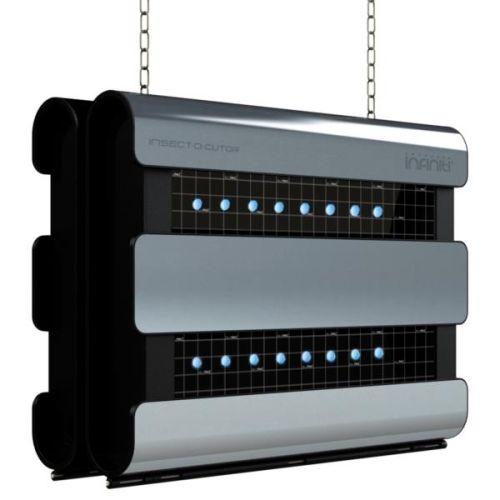
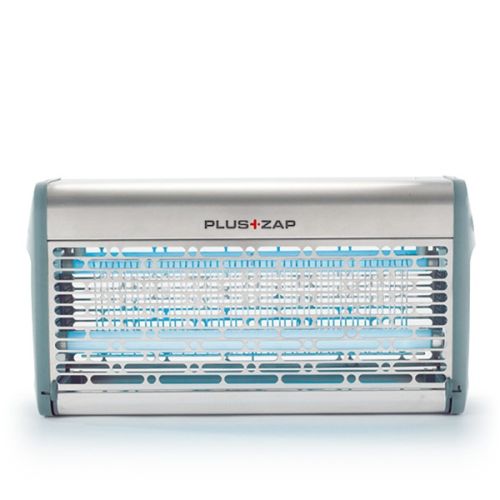
Electric fly traps are common now. Those UV light units that attract flies and trap them on sticky boards or grids. They’re effective indoors, especially in kitchens or dining spaces where sprays aren’t ideal. They work quietly in the background.
Chemical sprays still exist too. Fast acting. Good for sudden outbreaks. But they’re more of a temporary fix than a long-term solution.
Then there are bait traps. These are surprisingly effective outdoors. The scent attracts flies, they enter the trap, and… that’s basically the end of their story. Slight downside? The smell can be strong. You probably don’t want one sitting right next to your patio table.
Homemade methods also get attention. Vinegar traps, sugar water bottles, fruit bait setups. Some help catch a few flies, sure. But when you’re dealing with a bigger problem, a proper house fly killer setup usually works faster.
The Outdoor Source Problem Nobody Talks About
Here’s the thing most people miss.
Flies inside your home are usually coming from somewhere very specific outside. Garbage bins. Compost piles. Pet waste areas. Animal barns. Even clogged gutters.
You can swat flies all day inside the house, but if the breeding area outside keeps producing new ones, the battle never really ends.
That’s why pest professionals often focus on perimeter control. Killing adult flies is part of it, sure. But eliminating breeding spots changes everything.
Clean bins regularly. Keep lids tight. Remove organic waste fast. These small habits reduce the number of flies entering your home before you ever need a house fly killer indoors.
It’s boring advice. But it works.
Natural Predators: How Pest Control Birds Help Control Fly Populations
Now here’s an angle people rarely think about.
Birds.
Certain bird species eat huge numbers of insects every single day. Swallows, purple martins, and flycatchers are basically natural pest control machines. A single bird can eat hundreds of flying insects daily.
That’s why some homeowners and farmers start searching for pest control birds near me. They’re looking for ways to encourage these natural hunters around their property.
It’s not science fiction either. Farms have relied on insect-eating birds for generations. Barn swallows swoop through the air catching flies mid-flight. Purple martins patrol open spaces hunting mosquitoes and flying bugs.
You’re not “releasing birds” like pest control agents, of course. But by installing bird houses or maintaining natural habitat, you can attract them. And once they move in, they do their job quietly.
Less buzzing. Less spraying chemicals. Nature doing its thing.
Why Swallows and Martins Are Nature’s Best Fly Hunters
If you’ve ever watched swallows flying in circles at dusk, you’ve already seen pest control in action.
These birds are aerial hunters. They grab insects mid-air with incredible speed. Flies don’t stand much chance.
Purple martins are particularly famous for this. Entire communities build martin houses specifically to attract them. When someone searches pest control birds near me, these are usually the birds they’re hoping to attract.
Swallows are slightly different. They prefer open structures like barns, bridges, or porches for nesting. But once they settle nearby, they constantly patrol the area for insects.
You won’t eliminate every fly. That’s unrealistic. But reducing the outdoor insect population makes indoor fly problems dramatically smaller.
Which means less need for aggressive house fly killer products later.
Setting Up Your Property to Reduce Fly Activity
Most fly problems start with small oversights around the home.
Overflowing garbage bins. Pet food left outside. Compost piles too close to doors or windows. Even standing water can attract insects that flies feed on.
Fixing these little details changes the game.
Keep trash sealed. Move compost farther from living spaces. Clean outdoor drains occasionally. Simple stuff. But flies notice.
Then combine that prevention with a reliable house fly killer indoors—something like UV traps or safe fly bait systems. Suddenly your home feels quiet again.
If you want the extra natural boost, encouraging insect-eating birds helps balance things out. Which is why more homeowners quietly look for pest control birds near me when trying to reduce chemical pest control.
Nature plus technology. Works better than either alone.
Common Mistakes People Make When Fighting Flies
The biggest mistake? Waiting too long.
Flies reproduce quickly. A few flies can become dozens in a short time if conditions allow it. People often ignore the early signs until the problem feels overwhelming.
Another mistake is relying on only one solution. One spray. One trap. One trick from a video online.
Fly control works best when you combine several strategies.
Remove breeding sources. Use a reliable house fly killer indoors. Reduce attraction points. Improve sanitation. Encourage natural predators when possible.
None of these steps alone is perfect. Together though? They’re powerful.
And you don’t have to turn your house into a chemical warfare zone to make it work.
The Balance Between Chemical and Natural Fly Control
Some people want completely natural solutions. Others want instant chemical results. Most homes fall somewhere in the middle.
That balance actually works well.
Use sanitation and habitat control first. Encourage natural predators like insect-eating birds. Then rely on a house fly killer product only when needed.
Think of it as layered protection.
If your property already attracts birds and maintains good waste management, you may barely notice flies at all. But when they do appear, a reliable trap or spray handles the remaining few.
This balanced approach is becoming more popular, especially among homeowners trying to reduce pesticide use without tolerating insect problems.
And honestly… it’s a practical system.
Conclusion: The Smart Way to Eliminate House Flies for Good
Fly problems feel small at first. Then suddenly they’re everywhere.
The real trick to controlling them isn’t one magic product. It’s understanding the bigger picture. Flies breed outside. They enter through small openings. They chase food smells and waste.
A good house fly killer handles the flies already inside. But lasting results come from prevention. Clean waste areas. Reduce breeding sites. Keep kitchens sealed and tidy.
And sometimes, nature helps too. Encouraging insect-eating birds can reduce fly populations around your property more than people expect. That’s why searches for pest control birds near me are growing among homeowners looking for smarter pest control.
Combine these strategies and the buzzing fades away. No drama. No endless swatting.
Just a cleaner, quieter home.
FAQs
What is the most effective house fly killer for indoor use?
The most effective house fly killer indoors is usually a UV light fly trap or adhesive fly trap. These attract flies using light and capture them without spreading chemicals in kitchens or living areas.
Do natural remedies work as a house fly killer?
Some natural remedies like vinegar traps or sugar bait can catch small numbers of flies. However, for larger infestations, commercial house fly killer products or professional pest control methods tend to work much faster.
Are pest control birds effective for reducing flies?
Yes, insect-eating birds like swallows and purple martins can significantly reduce flying insect populations. Many homeowners search for pest control birds near me to encourage these birds around farms, gardens, and rural properties.
How do I attract pest control birds near my home?
Installing birdhouses, maintaining open spaces, and avoiding excessive pesticide use can attract insect-eating birds. People looking for pest control birds near me often install purple martin houses or preserve nesting areas for swallows.
Why do flies keep coming back even after using a house fly killer?
Flies often return because breeding sites still exist nearby. Garbage bins, compost piles, or animal waste areas may continue producing flies. Eliminating these sources alongside using a house fly killer provides longer-lasting control.