The Role of Hemp-Based Products in Modern Self-Care
Modern life often moves quickly, placing constant demands on physical energy, mental clarity, and emotional resilience. As a result, many individuals are rethinking how daily habits influence their overall wellbeing and long-term health. The concept of self-care has evolved beyond occasional relaxation, becoming an intentional practice integrated into everyday routines. Within this cultural shift, hemp-based solutions have gained remarkable attention among people seeking natural wellness support. Derived from the hemp plant, these products often contain cannabinoids, plant oils, and other botanical compounds valued for their versatility. Consumers increasingly explore plant-derived alternatives that complement balanced lifestyles without dramatically disrupting existing routines.
The popularity of hemp-based formulations reflects broader changes in how individuals approach health management. Rather than relying exclusively on reactive solutions, people now prioritize preventative habits supporting sustained physical and emotional balance. This mindset encourages exploration of ingredients derived from agricultural and botanical sources. Hemp plants possess a unique chemical profile containing cannabinoids, terpenes, flavonoids, and essential fatty acids. These naturally occurring compounds interact with biological systems responsible for maintaining equilibrium within the human body. Scientists continue investigating how these interactions may contribute to relaxation, recovery, and general wellness support.
The Science Behind Hemp-Based Products and Human Wellbeing
Understanding the biological mechanisms associated with hemp-derived compounds helps explain their increasing presence within wellness discussions. Scientists have identified an intricate regulatory network within the human body called the endocannabinoid system. This system plays a central role in maintaining physiological balance across multiple bodily processes. The endocannabinoid system includes receptors distributed throughout the brain, nervous system, and immune cells. These receptors interact with naturally produced molecules called endocannabinoids, which help regulate mood, sleep patterns, appetite, and stress responses. When functioning effectively, this system supports equilibrium across numerous physiological functions.
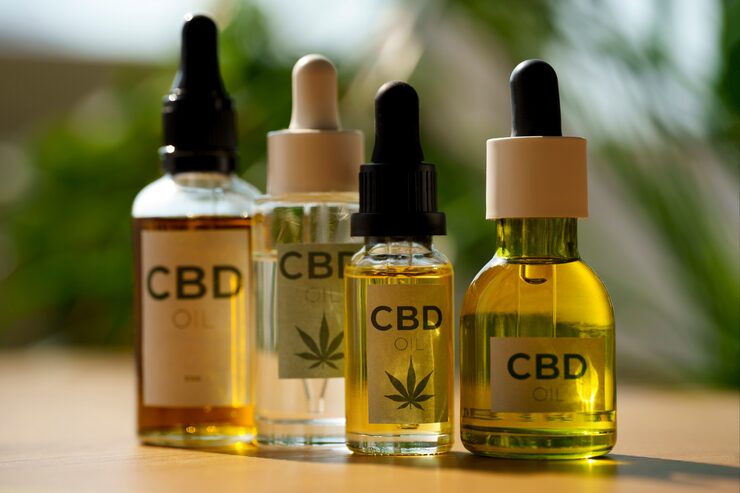
Compounds derived from hemp plants may influence this system indirectly, potentially supporting its natural regulatory activity. Cannabidiol, commonly known as CBD, represents one of the most widely studied cannabinoids present in hemp. Unlike certain cannabis compounds, cannabidiol does not produce intoxicating effects. Researchers believe CBD interacts with receptors and enzymes associated with the endocannabinoid system, influencing communication between cells. Although scientific investigation continues expanding, early findings suggest that cannabinoids may support the body’s natural stress-response mechanisms.
Beyond cannabinoids, hemp plants contain additional beneficial compounds such as terpenes and flavonoids. Terpenes contribute distinctive aromas and flavors to plants while potentially influencing mood and sensory experiences. Flavonoids offer antioxidant properties that help protect cells from environmental stress. Hemp seeds themselves represent valuable nutritional resources rich in essential fatty acids, protein, and micronutrients. These seeds are often incorporated into dietary supplements or cooking ingredients supporting balanced nutrition. Their nutrient profile demonstrates that hemp plants offer benefits extending beyond cannabinoid compounds.
Integrating Hemp-Based Products Into Daily Self-Care Routines
Self-care routines function best when they align naturally with daily schedules and personal lifestyle preferences. Many individuals therefore seek wellness solutions that integrate smoothly into familiar habits rather than requiring complicated adjustments. Hemp-derived products often satisfy this preference by offering flexible usage options. Morning routines frequently provide opportunities to establish healthy habits supporting productivity and emotional balance. Activities such as hydration, stretching, meditation, and nutritious breakfasts set positive intentions for the day. Some people choose to incorporate hemp-derived supplements into these early routines as part of a broader wellness strategy.
Throughout busy workdays, maintaining energy and mental clarity can become challenging due to constant responsibilities and digital distractions. Many professionals experiment with plant-based beverages designed to provide gentle stimulation without excessive caffeine intake. Conversations about alternatives sometimes highlight products like CBD energy drink in Pinellas Park as examples of hemp-infused options designed to support focus and balanced energy.
These beverages illustrate how manufacturers continue exploring creative ways to incorporate hemp-derived compounds into familiar product formats. Functional drinks, teas, and sparkling beverages now represent growing categories within wellness markets. Their convenience allows individuals to enjoy botanical ingredients without changing their established daily patterns. Physical activity also plays a central role in modern self-care routines. Exercise promotes cardiovascular health, enhances mood, and improves sleep quality through natural hormonal regulation. After workouts, many people focus on recovery practices that help muscles relax and restore energy levels.
The Expanding Market for Hemp-Based Wellness Innovations
The global wellness industry continues evolving rapidly as consumers demand more natural, transparent, and sustainable products. Within this environment, hemp-derived solutions have become a significant area of innovation and entrepreneurship. Companies across multiple sectors now explore creative ways to incorporate hemp ingredients into everyday products. One major factor driving this expansion involves increasing consumer awareness regarding plant-based wellness options. As information becomes more accessible through digital platforms and educational campaigns, individuals feel more confident exploring new botanical solutions. This knowledge empowers buyers to evaluate products based on scientific evidence and ingredient transparency.
Food and beverage industries represent particularly dynamic sectors for hemp innovation. Manufacturers develop functional drinks, snack foods, and nutritional supplements designed to support balanced lifestyles. These products combine familiar consumption experiences with botanical ingredients associated with relaxation or recovery. Skincare companies also recognize the value of hemp-derived oils within cosmetic formulations. Moisturizers, serums, and body lotions frequently incorporate hemp seed oil due to its hydrating properties and nutrient composition. These formulations appeal to consumers seeking natural alternatives within beauty and personal care routines.
Technological advancements further support the growth of hemp-based industries by improving extraction techniques and product stability. Modern laboratories use sophisticated processes to isolate and refine plant compounds while maintaining their beneficial characteristics. These innovations ensure consistent quality across diverse product categories. Regulatory frameworks also influence how hemp markets develop across different regions. Governments establish guidelines regarding cultivation, extraction, and product labeling to protect consumer safety. Clear regulations help build trust by ensuring products meet established quality standards.
The Future of Hemp-Based Products in Self-Care and Wellness
Looking ahead, hemp-derived solutions appear poised to remain influential within the evolving landscape of personal wellness. Ongoing scientific research continues revealing new insights regarding plant compounds and their biological interactions. These discoveries may guide the development of increasingly refined products designed to support specific health goals. Consumer preferences also play an essential role in shaping future wellness trends. Younger generations often prioritize sustainability, transparency, and ethical sourcing when selecting products. Hemp cultivation aligns well with these priorities because of its environmental resilience and versatile agricultural benefits.
Technological innovation will likely expand the variety of product formats available within the hemp wellness market. Researchers explore new delivery methods capable of improving absorption and convenience. These advancements may lead to more specialized products tailored toward particular self-care routines. Healthcare professionals increasingly participate in discussions regarding natural supplements and plant-derived ingredients. This collaboration between traditional medicine and holistic wellness practices may strengthen scientific understanding while promoting responsible usage guidelines.
Education will remain a cornerstone of future hemp wellness development. Consumers benefit from accurate information regarding product quality, dosage considerations, and potential interactions with other supplements. Transparent communication encourages informed decision-making and responsible product integration. Furthermore, global regulatory clarity may contribute to stronger industry standards and increased consumer confidence. Clear guidelines regarding cultivation, manufacturing, and labeling help ensure consistent quality across international markets.
Another promising development involves the integration of hemp-derived ingredients into functional lifestyle products such as beverages, nutrition bars, and skincare innovations. These products allow individuals to incorporate wellness practices effortlessly into everyday activities. Cultural attitudes toward self-care continue evolving as people recognize the importance of maintaining balance within demanding modern lifestyles. Practices that once appeared occasional now form essential components of daily routines. Hemp-derived ingredients align naturally with this philosophy because they support gradual balance rather than dramatic interventions.