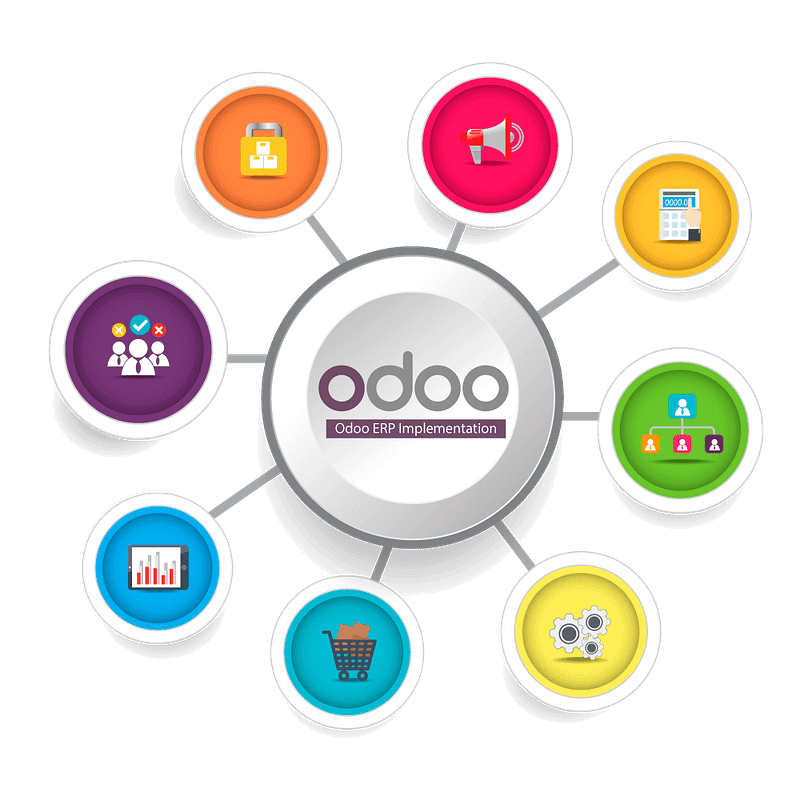
Businesses in Qatar are increasingly adopting ERP systems to improve efficiency, reduce manual work, and gain better visibility into their operations. However, implementing an ERP system is not just about installing software. It requires proper planning, process alignment, and expert configuration to ensure the system truly supports business operations.
Odoo ERP is widely used by businesses because it connects different departments such as accounting, sales, inventory, purchasing, and customer management into one unified platform. But without the right implementation strategy, companies may face workflow issues, reporting problems, or system inefficiencies.
Why Businesses in Qatar Choose Odoo ERP
Many businesses initially rely on multiple tools for different tasks. For example, accounting might be handled in one system while sales and inventory are managed in another. Over time, this creates problems such as duplicated data, inconsistent reporting, and manual processes.
Odoo ERP solves this by bringing all operations into a single system. With the right implementation, companies can manage their entire workflow from one platform, which improves coordination between departments and provides better business insights.
However, the real value of Odoo comes from how well it is implemented and adapted to your business processes.
Step 1: Analyze Business Requirements
The first step in any successful ERP project is understanding how the business operates.
Before implementing Odoo, companies should evaluate:
-
Current operational challenges
-
Existing software being used
-
Departments that require automation
-
Reporting needs for management
This stage helps identify the areas where ERP can provide the most value. Without proper requirement analysis, businesses may implement features that are not aligned with their actual workflow.
Step 2: Select the Right Odoo Implementation Partner
Choosing the right implementation partner plays a major role in the success of an ERP project. A professional partner helps businesses design the system according to their operational structure and ensures that the configuration supports real business needs.
Experienced partners assist with:
-
ERP planning and system design
-
Module configuration
-
Data migration
-
Workflow optimization
-
User training
Businesses looking for experienced providers often review options among the Best Odoo Partners in Qatar to ensure their ERP project is handled by professionals with proven implementation experience.
Step 3: Plan the ERP System Structure
Once the requirements are defined, the next step is designing how the ERP system will work inside the organization.
This includes planning:
-
Required Odoo modules
-
Department workflows
-
User access and permissions
-
Reporting structures
Each industry may require a different ERP setup. For example, trading companies may focus heavily on inventory management, while service-based businesses may prioritize project tracking and invoicing.
Proper system planning ensures that Odoo reflects the way your business operates.
Step 4: Configure Odoo Modules
After the system structure is finalized, the implementation team begins configuring Odoo modules based on the planned workflows.
Typical configuration includes:
-
Company structure setup
-
Product and inventory configuration
-
Sales and purchase workflows
-
Accounting setup
-
Reporting dashboards
The goal of configuration is to align Odoo with your daily operations so employees can work efficiently within the system.
Step 5: Data Migration
Most businesses already have existing data stored in spreadsheets or older software systems. During ERP implementation, this data needs to be transferred into Odoo.
Common data migration tasks include:
-
Importing customer and vendor records
-
Migrating product and inventory data
-
Transferring financial records
-
Uploading transaction history
Before migration, the data should be reviewed and cleaned to ensure accuracy. Well-prepared data ensures that reports and operations start correctly from day one.
Step 6: System Testing
Testing is an essential stage before launching the ERP system.
During testing, businesses should verify:
-
Sales and purchase workflows
-
Inventory movements
-
Financial reports
-
User permissions
-
Integration between modules
Testing allows the implementation team to identify issues early and fix them before the system goes live.
Step 7: Employee Training
Even the best ERP system will not deliver results if employees are not comfortable using it.
Training sessions should help users understand:
-
How to perform daily tasks in Odoo
-
How data flows between departments
-
How to generate reports
-
How to manage routine operations
Proper training improves user adoption and reduces confusion during the transition to the new system.
Step 8: Go-Live and Continuous Support
Once testing and training are complete, the system can officially go live.
However, ERP implementation does not end at deployment. Businesses may still need ongoing support for:
-
System adjustments
-
Workflow improvements
-
Additional module implementation
-
Technical assistance
Continuous optimization ensures that the ERP system evolves along with the company’s growth.
Common Challenges During Odoo ERP Implementation
Some common issues include:
-
Poor requirement planning
-
Incorrect system configuration
-
Data migration errors
-
Lack of proper training
-
Limited post-implementation support
Final Thoughts
By following a structured approach — starting with requirement analysis and continuing through configuration, testing, and training — businesses can ensure that their ERP system supports long-term operational growth.
At Top Cliff Consultancy, we help organizations in Qatar implement Odoo ERP with a clear strategy, ensuring the system delivers measurable improvements in efficiency and business performance.