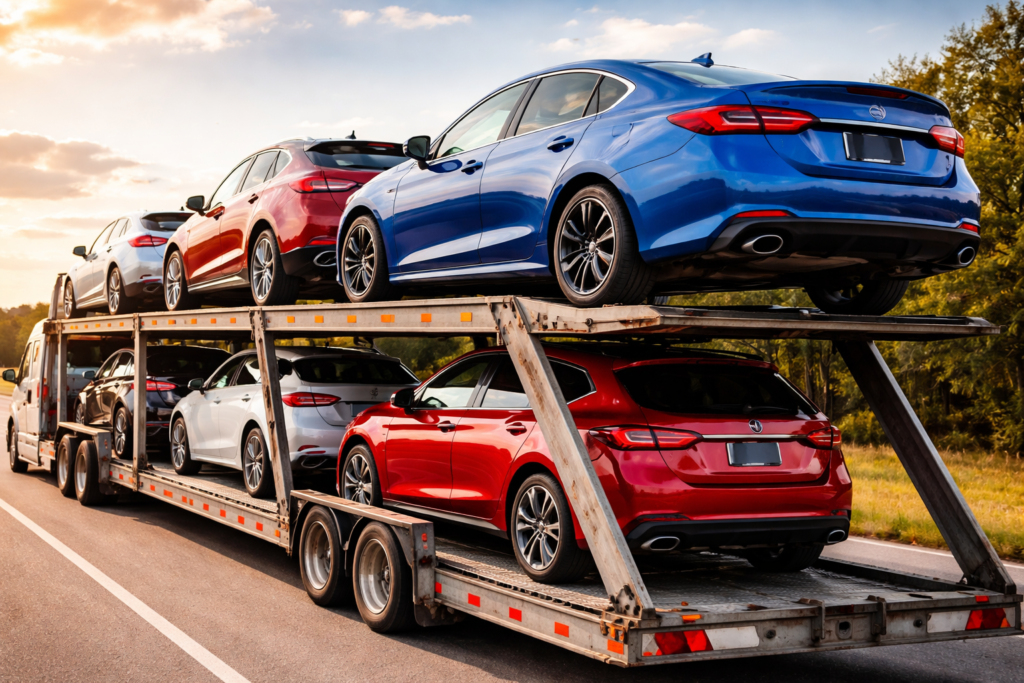
Shipping a vehicle across the United States—from the Atlantic to the Pacific—is one of the most significant logistical undertakings in the domestic transport industry. Spanning over 2,500 miles and crossing through multiple time zones, climates, and mountain ranges, a “coast to coast” move is far more complex than a simple regional tow.
In 2026, the landscape of state to state auto transport has evolved. Between new zero-emission regulations in states like California and Washington, and the integration of AI-driven predictive routing, the way your car moves across the country is more high-tech than ever. If you are planning a cross-country relocation, understanding the “behind the curtain” logistics will help you set realistic expectations for timing, safety, and cost.
The 2,800-Mile Marathon: How the Route is Managed
When a vehicle travels from, for example, New York to Los Angeles, it doesn’t just sit on one truck in a straight line. The journey is a carefully timed marathon managed by expert dispatchers.
-
The Primary Arteries: Most coast-to-coast shipments utilize the “Big Three” northern, central, or southern interstate corridors (I-80, I-40, or I-10). Carriers choose these routes based on real-time weather data and “load density”—the number of other vehicles available for pickup along the way to ensure the truck remains full and profitable.
-
Driver Regulations: Federal Motor Carrier Safety Administration (FMCSA) rules in 2026 strictly limit “hours of service.” A single driver can typically only cover about 500 miles per day safely. This means a true coast-to-coast journey requires a minimum of 5 to 7 days of pure driving time, not including the time needed for loading and unloading other vehicles on the trailer.
-
Relay and Hub Logistics: To speed up transit, some modern logistics providers use a “relay” system where drivers swap trailers at designated hubs. This allows the cargo (your car) to keep moving even when a driver needs mandatory rest.
2026 Market Realities: Costs and Timelines
As we move through 2026, several economic factors are influencing the price of long-haul state to state auto transport. While freight demand in some sectors has remained “tepid,” the personal vehicle relocation market remains robust, especially for those moving to “Sun Belt” states or tech hubs.
| Route Type | Estimated 2026 Cost (Open) | Estimated Transit Time |
| Major Metro to Major Metro (e.g., NY to LA) | $1,350 – $1,800 | 7 – 10 Days |
| Rural to Rural (e.g., Maine to Oregon) | $1,600 – $2,200 | 10 – 14 Days |
| Enclosed Premium Upgrade | Add 40% – 60% | Same as above |
Logistical Tip: In 2026, “rural surcharges” are more common. If your pickup or delivery is far from a major interstate, carriers may charge an additional $200 to $400 because a large 80-foot multi-car hauler cannot easily navigate narrow country roads or remote areas.
Technological Shifts: EVs and AI Routing
Two major shifts are defining coast-to-coast transport this year: Electrification and Artificial Intelligence.
-
The EV Weight Challenge: Electric vehicles are significantly heavier than gas cars. In 2026, carriers are more strictly monitoring trailer weight due to stricter “Clean Fleet” mandates in several states. If you are shipping an EV cross-country, ensure you disclose the exact model so the dispatcher can balance the trailer’s weight distribution correctly.
-
AI-Driven Predictive Routing: Rapid Auto Shipping and other top-tier providers now use AI to predict weather disruptions. If a massive winter storm is brewing in the Rockies, AI software can reroute a carrier from the I-80 corridor to the I-40 corridor days in advance, preventing your vehicle from being stranded in a snowbound mountain pass.
Safety and Compliance: The “Paperwork” of a 2,500-Mile Trip
A lot can happen over 2,500 miles, which is why documentation is the backbone of the logistics process.
-
The Bill of Lading (BOL): This is your most important document. It acts as a receipt and an inspection report. In 2026, most BOLs are digital. Ensure you and the driver take high-resolution photos of the vehicle at both ends of the journey.
-
Insurance Coverage: Reliable state to state auto transport always includes cargo insurance. For a coast-to-coast trip, verify that the carrier’s policy covers the total value of your vehicle, as it will be passing through various jurisdictions with different liability standards.
Why Partner with Rapid Auto Shipping?
Navigating the logistics of a cross-country move requires more than just a truck; it requires a network. Rapid Auto Shipping leverages over 14 years of experience and a vetted network of over 20,000 carriers to make the “Coast to Coast” dream a reality.
We specialize in high-volume, long-distance lanes, offering:
-
Zero Upfront Payments: You don’t pay until your shipment is assigned to a carrier.
-
Real-Time Online Tracking: Know exactly where your car is, whether it’s crossing the Mississippi or climbing the Sierras.
-
Full Insurance Inclusion: Peace of mind is standard with every quote.