Walk into any paint aisle and it all looks kind of the same at first. Rollers, frames, covers… nothing too exciting. But once you actually start a real job, especially something big or messy like a garage floor, the differences hit fast. One of the biggest game changers people overlook is the 18 inch roller nap. Not in the first five minutes maybe, but give it an hour and your arms, your time, and your finish will all have opinions. I’ve seen guys stick with standard rollers out of habit, then regret it halfway through a project. So yeah, there’s a real difference here—and it’s not just size.
What Exactly Is an 18 Inch Roller Nap?
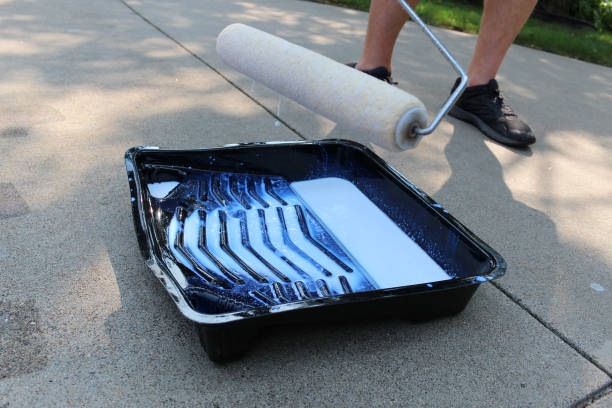
An 18 inch roller nap is basically a wider roller cover, usually double the width of a standard 9-inch roller, paired with a heavier-duty frame to support it. The “nap” part refers to the thickness of the fabric on the roller, which controls how much paint or coating it holds and how it spreads. Sounds simple. It is, but also not. That extra width means fewer passes across the surface, which sounds like a small thing until you’re covering a 500 sq ft floor and realize you’ve cut your workload down by a chunk. But it’s heavier too. Not everyone loves that part.
Standard Rollers: The Familiar Choice
Standard rollers—typically 9 inches—are what most people start with. Easy to handle, cheap, widely available. You can use them for walls, ceilings, trim, whatever. They’re forgiving. You mess up a bit, no big deal, just roll over it again. That’s why DIYers stick with them. But when it comes to large surfaces, they get slow. Real slow. You keep dipping, rolling, dipping again. It adds up. And if you’re trying to maintain a wet edge on something like epoxy, that stop-start rhythm can mess things up.
Coverage and Speed: Where the Big Roller Wins
Here’s where the 18 inch roller nap starts pulling ahead. It covers more ground. That’s the whole story, really. One pass with an 18-inch roller does the work of two passes with a standard one. Sometimes more, depending on overlap. On big, open areas—warehouse floors, garage slabs, commercial spaces—it just makes sense. You move faster, you finish sooner, and honestly, you get less annoyed doing it. The tradeoff? It’s heavier, like I said. After a while, your shoulders will notice. But most pros will take that over wasting time any day.
Control vs Efficiency: Not Always a Clear Winner
Now, here’s the part people don’t talk about enough. Bigger isn’t always better. Standard rollers give you more control, especially in tight or detailed areas. Corners, edges, around fixtures—you’re not taking an 18-inch roller in there unless you enjoy frustration. The 18 inch roller nap is built for open space, not finesse work. So in real jobs, it’s not either/or. It’s both. Big roller for the main area, smaller one to clean things up. Trying to force one tool to do everything… yeah, that’s where people mess up.
Nap Thickness Matters More Than People Think
Quick side note, because this gets ignored a lot. The nap thickness—whether it’s 3/8″, 1/2″, 3/4″, or more—changes everything. Smooth surfaces? Go shorter nap. Rough concrete or textured floors? You’ll need a thicker nap to get proper coverage. This applies to both standard rollers and the 18 inch roller nap, but with the larger roller, mistakes get amplified. Too thick, and you’ll overload the surface. Too thin, and you’ll be fighting for coverage. There’s a bit of trial and error here, no way around it.
When You Should Stick With Standard Rollers
If you’re painting a bedroom wall, doing touch-ups, or working in a tight space, just use a standard roller. Seriously. It’s easier, lighter, and more precise. Not every job needs speed. Sometimes control matters more. Also, if you’re new to painting or coatings, jumping straight into an 18 inch roller nap setup can feel awkward. It’s not hard, but it’s different enough to throw you off at first.
Where the 18 Inch Roller Really Shines
Big surfaces. That’s it. Garage floors, industrial coatings, large patios, even big drywall sections if you’re experienced. The 18 inch roller nap shines when consistency and speed matter more than precision. Less lap marks, smoother application (if you handle it right), and way fewer reloads. It’s not magic, but it’s efficient. And in trade work, efficiency is everything. Time saved is money saved. Pretty simple math.
Choosing the Best Tool for Epoxy Work
If you’re working with coatings like epoxy, things get a bit more serious. Epoxy doesn’t wait around for you to figure things out. It sets fast, and mistakes don’t hide well. That’s why many pros lean toward wider rollers for these jobs. When people ask about the best roller for epoxy floor, they’re usually pointed toward an 18 inch roller nap with the right nap thickness for the surface. It helps maintain a wet edge and keeps the application even. Still, you’ll need a smaller roller or brush for edges. No way around that.
Conclusion
At the end of the day, the difference between an 18 inch roller nap and a standard roller isn’t complicated—but it does matter. One gives you speed and coverage, the other gives you control and flexibility. Most real-world jobs need a mix of both, not blind loyalty to one tool. If you’re tackling a big project, especially floors or wide surfaces, stepping up to an 18-inch roller just makes sense. It’s a bit heavier, a bit rougher to handle at first, sure—but once you get used to it, going back feels… slow. And honestly, nobody likes slow when there’s work to get done.