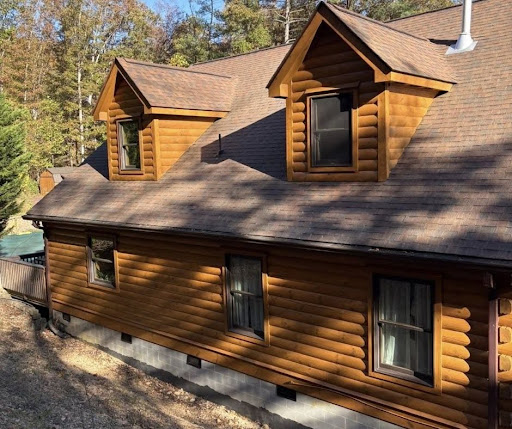
Water’s sneaky. It doesn’t announce itself, doesn’t knock before it creeps into the cracks of your log home. And if you’re not paying attention, it can eat right through your walls, leaving rot, mold, and headaches that’ll cost a fortune if ignored. You might think a little leak here and there is no big deal, but for log homeowners, it’s a slow-moving disaster. That’s where log home repair and restoration comes in. Knowing how to spot water damage, and more importantly, how to fix it, can save you from turning your cozy cabin into a soggy mess.
Why Water Loves Log Walls
Logs are beautiful, sure. They give that warm, rustic charm that no sheetrock ever will. But wood has a problem—water. It seeps in through small cracks, gaps around windows, or improperly sealed joints. Over time, moisture breaks down the wood fibers. You end up with soft spots, discoloration, maybe even black mold hiding inside where you can’t see it. And the thing about water damage is it often starts small, invisible, and suddenly, bam—you’ve got walls that are structurally compromised.
Many people think a log cabin can “breathe” through the wood and that moisture won’t hurt, but that’s only partly true. Logs can handle some moisture if they dry quickly. But persistent dampness? That’s a recipe for rot. And once rot starts, it doesn’t stop on its own. It spreads. Fast. That’s why homeowners eventually have to consider log home repair and restoration, not just cosmetic fixes.
Signs Your Cabin Needs Help
How do you know if water’s working on your logs? You might notice:
- Soft, spongy spots on walls or floors
- Dark streaks or stains running down the logs
- Musty odors that just won’t go away
- Cracked, split, or cupped wood
- Mold or mildew patches
Sometimes the signs are subtle. You might only see them during a rainstorm when water stains pop up, or when humidity runs high. Don’t wait. Ignoring it only makes the problem worse. A tiny leak in a roof or window can turn into full-scale rot inside the walls. And trust me, by then, simple patching won’t cut it.
The Role of Log Home Repair and Restoration
Here’s the thing—fixing water damage isn’t just slapping on some stain or caulk. It’s about going deep. Restoration involves removing damaged wood, treating surviving logs, sealing gaps, and making sure water won’t sneak back in. Often, it starts with drying. Moisture meters measure how wet your walls really are. Fans and dehumidifiers dry things out carefully; too fast, and the wood cracks, too slow, and the rot keeps spreading.
Next comes treatment. Anti-fungal or anti-rot solutions are applied to logs that are still solid but have been exposed to moisture. If a section is too far gone, it might need replacement. That’s the hard truth. And then comes sealing. Caulking, chinking, or specialized sealants go into the gaps, making sure water doesn’t find its way back in. Done right, restoration isn’t just cosmetic—it’s structural. You’re saving the life of your cabin, not just its looks.
Maintenance is Your Best Friend
Restoration fixes what’s already broken, but prevention is cheaper, easier, and less stressful. This is where log cabin maintenance comes in. Regular inspections, proper sealing, and keeping water away from logs are key. Look at roof overhangs, gutters, and drainage around your cabin. If water pools near the foundation, that’s trouble waiting to happen.
Check your logs seasonally for cracks or splits. Re-caulk or re-chink if gaps appear. Keep an eye on humidity inside the cabin. You want a balance—logs need to breathe, but not soak. Even something small, like re-staining logs every few years, adds a layer of protection. It’s tedious, sure, but it’s way cheaper than a full-on log replacement. Think of maintenance as your cabin’s insurance policy.
DIY vs Professional Help
Sure, some things you can do yourself. Cleaning, minor caulking, applying sealants—those are doable if you’re handy. But when water damage gets serious, leave it to professionals. A botched repair can make things worse, structurally and financially. Professionals bring experience, tools, and know-how to deal with hidden damage. They see the spots you can’t and fix them before they compromise your entire home.
And let’s be honest, restoration isn’t glamorous work. It’s dusty, tedious, and sometimes downright ugly. But when it’s done right, your cabin comes out stronger, safer, and better-looking than before.
Long-Term Benefits of Restoration
Investing in log home repair and restoration pays off. You’re not just stopping damage—you’re improving your home’s durability. Restored logs last longer, resist pests better, and handle weather extremes with more grace. The peace of mind is priceless, knowing that the walls you love aren’t silently rotting behind your back. And if you ever decide to sell, a well-maintained log cabin holds value much better than one showing water damage and neglect.
Wrapping It Up
Water damage in log homes isn’t something to ignore. It’s sneaky, patient, and can turn your dream cabin into a nightmare fast. The good news? With the right attention, log home repair and restoration can reverse the damage, protect your investment, and even enhance the life of your logs. Pair that with consistent log cabin maintenance, and you’ve got a home that’s cozy, strong, and ready to handle whatever Mother Nature throws at it.