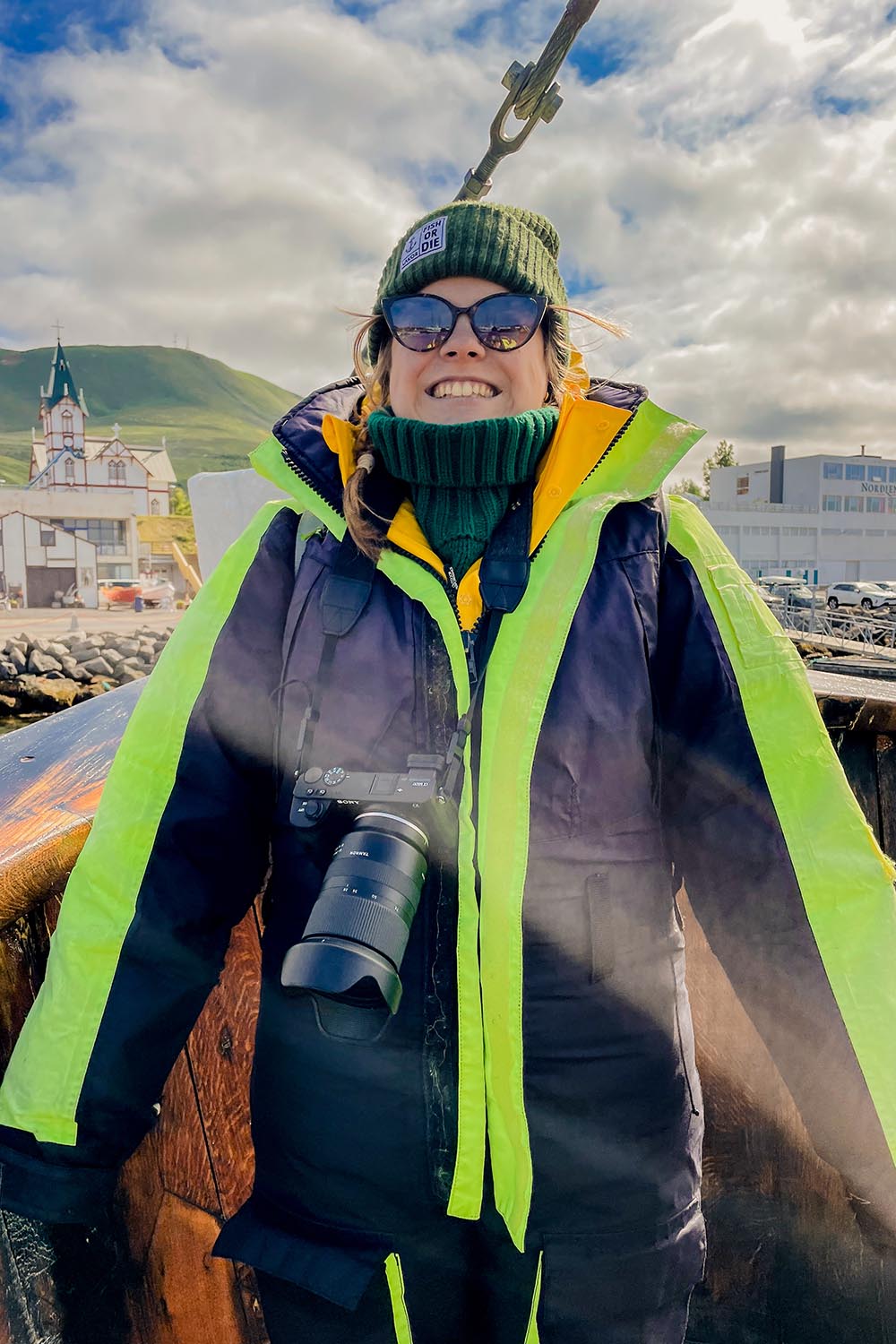
Whale Watching Outfit
The perfect whale watching outfit layers up: moisture-wicking base, insulating mid-layer, waterproof shell on top. Add non-slip shoes, polarized sunglasses, and a snug hat. Always dress for 10–15°F colder than shore temperature. Wind and sea spray change everything once you’re out on open water.
Nobody Talks About This Part of Whale Watching
You spend weeks planning the trip. You research the best boats, book the right season, maybe even read up on humpback migration patterns like a total nerd. And then you show up at the dock in jeans and a light hoodie and spend the next three hours shivering on the lower deck while everyone else is topside losing their minds over a breach.
It happens constantly. Ask any whale watching guide and they’ll tell you the same story.
The whales aren’t the problem. The outfit is.
Here’s the thing the ocean doesn’t care that it was 72°F when you left the hotel. Once that boat picks up speed and you’re cutting through open water, the wind chill drops fast. Add sea spray, cloud cover, and a few hours of exposure, and suddenly that light layer feels like nothing at all.
Getting your whale watching outfit right isn’t complicated. But it does require thinking ahead. So let’s break it down properly.
Start Here: The Three-Layer Rule
Every experienced sailor, marine biologist, or fishing guide will tell you the same thing. Layering is everything on the water. Not because it sounds cool, but because conditions change sometimes within the same hour.
Here’s how the system works.
Your base layer is your foundation. This goes directly against your skin, and its entire job is moisture management. Sweat builds up even in cold weather, especially if you’re moving around or excited (and you will be excited). If that moisture sits against your skin, you get cold fast.
Cotton is the enemy here. It absorbs sweat and just… holds it. You’ll feel damp and chilled within an hour. Instead, go for merino wool or a synthetic fabric like polyester. Merino wool is particularly great because it regulates temperature naturally warm when it’s cold, breathable when it’s not. A fitted long-sleeve merino shirt is one of the smartest things you can pack for any whale watching outfit, especially if you’re heading to Alaska, Maine, or anywhere along the Pacific Northwest.
The mid-layer is where your warmth lives. Think fleece pullover, down vest, or a lightweight puffer. This traps your body heat and acts as a buffer between your base layer and whatever the wind is throwing at you. On a warm-weather trip Hawaii in December, say, or San Diego in late summer you might not even need this layer on your body. Pack it anyway. Mornings on the water are deceptive.
The outer layer is non-negotiable. No matter where you’re going, no matter the forecast, you need a waterproof, windproof shell. This is the anchor of your whole whale watching outfit. Boats create spray, waves hit the deck, and even on calm days the wind whips up the moment you accelerate. A quality rain jacket with sealed seams, adjustable cuffs, and a hood will genuinely change your experience. Brands like Patagonia, Helly Hansen, and Columbia all make excellent options across different budgets.
Bright colors reds, oranges, yellows are practical on boats too, not just stylish. If you lean too far over the rail (please don’t), visibility matters.
What to Wear From Head to Toe
Tops
Follow the layering system above. Your outer jacket is doing the heavy lifting, so make sure it fits well over your other layers without restricting movement. You’ll be turning quickly to catch a fin, leaning over railings, maybe crouching. Mobility matters.
Bottoms
People forget about their legs. Don’t. Waterproof or water-resistant pants are ideal — sailing pants, hiking rain pants, whatever you have. If you’re working with what’s in your closet, athletic leggings under a pair of waterproof overpants are a solid combination.
Jeans are the single worst choice for a whale watching outfit. They’re heavy, they absorb water immediately, and they stay cold and wet for hours. The moment sea spray hits denim, you’re miserable for the rest of the trip.
Footwear
Boat decks get slippery. That’s just reality. You need closed-toe shoes with rubber non-slip soles period. Dedicated sailing shoes from brands like Sperry or Gill are designed exactly for this, but good trail runners with grip work fine too.
Sandals, flip-flops, Converse, leather loafers leave them at the hotel. This isn’t about fashion judgment. It’s about not slipping on a wet deck in the middle of the Pacific.
Socks
A small detail that makes a real difference. Wool socks even a mid-weight pair keep your feet warm even if they get slightly damp from spray. Cotton socks get wet and stay wet. Bring an extra pair in your bag, especially on longer tours. Cold feet are miserable in a way that sneaks up on you.
The Accessories That Actually Matter
Polarized Sunglasses
Water glare is intense, and it’s relentless. Polarized lenses cut through surface reflection in a way that regular sunglasses simply can’t match. Here’s a bonus they also help you spot whale movement below the surface before a breach. That dark shadow shifting under the water? You’ll catch it. Non-polarized sunglasses will make you miss it completely.
Get a floating strap for them. Losing sunglasses overboard is a rite of passage nobody wants.
The Hat Situation
Bring two. Seriously. A wide-brim hat for sunny days protects your face, neck, and ears from UV rays bouncing off the water. A beanie or fleece-lined cap handles cold and overcast conditions. Wind has a way of ripping light hats right off your head, so whichever you choose, make sure it fits securely or has a chin strap.
Gloves
On cold-water tours Alaska, northern California, New England your hands will get cold faster than anything else. Touchscreen-compatible gloves let you keep using your camera or phone without exposing your fingers to the wind. Waterproof gloves are worth the upgrade if you’re going out for more than two hours.
Neck Gaiter
Possibly the most underrated piece of gear for a whale watching outfit. When the wind picks up, pulling a neck gaiter over your chin and lower face cuts heat loss dramatically. It weighs almost nothing and fits in your pocket. Pack one every single time.
Sunscreen
Technically not clothing, but absolutely part of getting your whale watching outfit strategy right. Water reflects UV rays, and you can absolutely burn on overcast days at sea. Apply SPF 30 or higher to your face, neck, and any exposed skin before you board not after you’re already out there.
How Your Outfit Changes by Destination
One size doesn’t fit all here. Where you’re going matters a lot.
Alaska is serious business. Full waterproof shell, heavy insulation, wool base, beanie, gloves, wool socks all of it. Even on sunny summer days, moving across open Alaskan water at speed is genuinely cold. Don’t underpack here.
Pacific Northwest — Oregon and Washington runs similar to Alaska, just slightly milder. Rain is a constant, so sealed seams on your jacket aren’t optional. Plan for wet and you’ll be pleasantly surprised if it stays dry.
California splits depending on where. Monterey and the northern coast stay cold year-round. Southern California near San Diego is warmer but still needs layers for a morning departure. The ocean doesn’t care what the tourism website said about the weather.
Hawaii is the most forgiving. Lightweight long sleeve, shorts, strong sun protection. A light windbreaker is smart for when the boat picks up speed. Your main concern here is sun exposure, not cold.
New England — Massachusetts, Maine is unpredictable in the best and worst ways. Summer whale watching trips depart on beautiful mornings that turn choppy and cool by noon. Always bring your full layering system and pack a beanie even in July.
The Stuff You Should Definitely Leave Behind
- Jeans. Already said it. Still worth repeating.
- Cotton base layers. Useless when damp.
- Open-toe shoes of any kind. Wet boat decks are no place for sandals.
- Loose, flowy clothes. Wind will make you regret it within ten minutes.
- Strong perfume or cologne. Some people get seasick. Don’t make it worse for everyone around you.
- Your nicest jacket. Salt spray leaves residue. Things get grimy on boats. Dress for function.
Your Quick Packing Checklist
Before you head to the dock, run through this:
- Moisture-wicking long-sleeve base layer
- Fleece or insulating mid-layer
- Waterproof, windproof shell jacket
- Water-resistant or waterproof pants
- Non-slip, closed-toe shoes
- Wool socks (pack a spare pair)
- Polarized sunglasses with floating strap
- Beanie or fleece hat
- Wide-brim hat for sun
- Gloves (essential for cold-water destinations)
- Neck gaiter
- SPF 30+ sunscreen
- Small dry bag for your phone and camera
Here’s the Real Point
All the whale watching outfit planning in the world is just setup for one moment. The boat goes quiet. Someone points off the starboard side. And then a humpback whale 50 feet long, maybe more launches its entire body out of the ocean and crashes back down like a building falling into the sea.
For a second, nobody says anything. Then everyone says everything at once.
You want to be standing on the deck for that. Not below it, wishing you’d packed differently.
Thirty minutes of outfit prep. That’s all it takes. Dress smart, layer up, protect your face, and then completely forget about all of it because what you’re about to see is going to be the most spectacular thing you’ve watched in years.
Heading out on a trip soon? Drop your destination in the comments and we’ll help you dial in exactly what to pack.
Visit this website for more knowledgeable content- https://blogpulseguru.com/