You’ve seen them everywhere. From the airport terminal to the morning coffee run, those distinctive, pod-soled sneakers have become a universal symbol of modern comfort. I’m talking, of course, about on cloud shoes. What started as a Swiss engineering project has turned into a global phenomenon, but after the hype settles, a practical question remains: do they actually deliver, or is it all just clever marketing?
I’ll admit, I was skeptical. For years, I stuck to the same few brands, convinced that “cushion” meant bulky and that “support” had to come at the cost of style. But when I finally laced up a pair of on clouds, I understood why they have such a devoted following. Let’s break down what makes these shoes unique, who they’re really for, and whether they live up to the expectation.
The Technology Behind the Hype
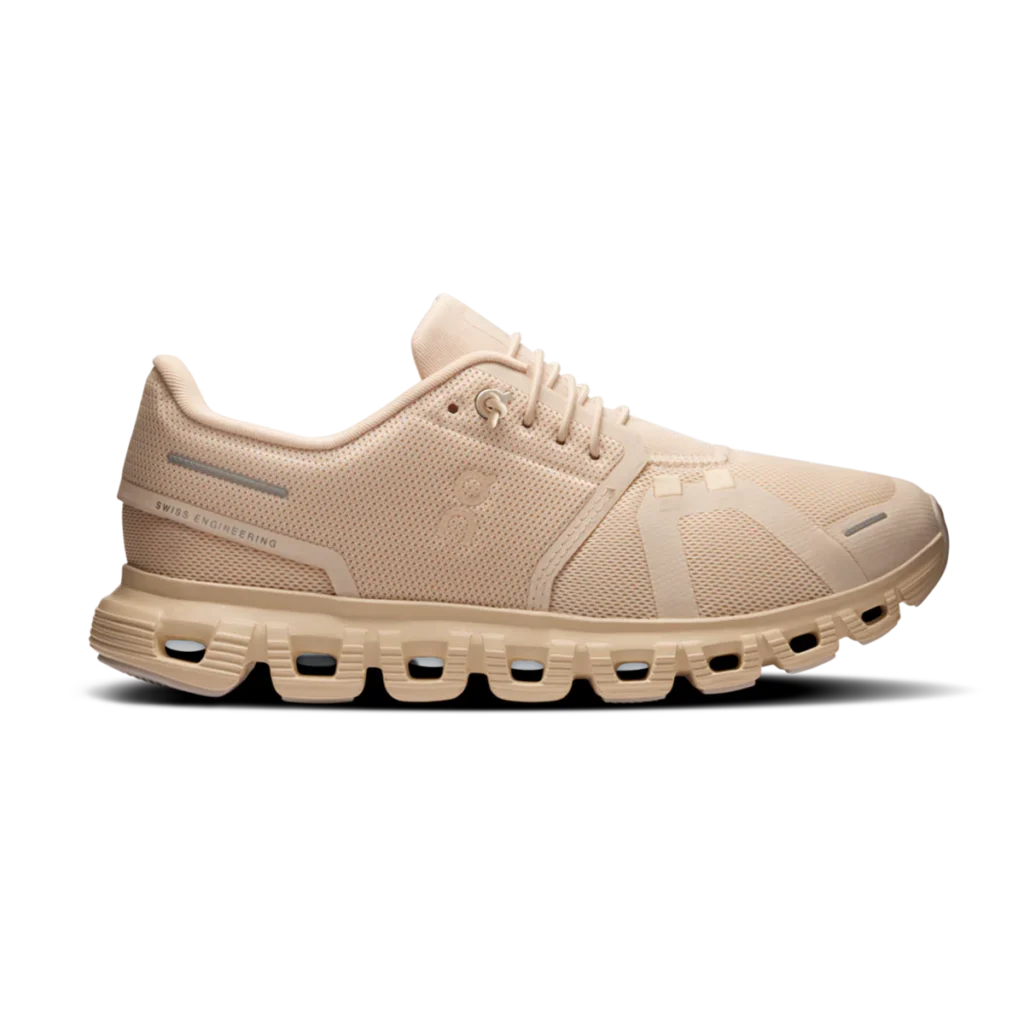
To understand the appeal of on cloud shoes, you have to look at the sole. It’s not just a design gimmick; it’s the brand’s signature “CloudTec” system. Essentially, the outsole is made of hollow, individual pods that are designed to compress upon impact and then lock into a solid surface for a firm push-off.
When you first step into a pair, the sensation is distinct. It feels soft, almost like walking on a series of small springs. However, unlike a traditional running shoe that feels like a marshmallow, on clouds provide a surprising amount of structure. The “zero-gravity” foam is lightweight, but the engineering ensures your foot doesn’t sink too deep. It strikes a balance that is hard to find: cushioned landing with a responsive takeoff.
Finding the Right Model for Your Feet
One of the biggest mistakes people make is assuming all on clouds are the same. The brand has expanded its lineup significantly, and choosing the wrong model can lead to disappointment. If you are looking for an all-day walking shoe for city exploration or standing on your feet for hours, the on Cloud 5 or Cloudswift are usually the top contenders.
- The Cloud 5: This is the everyday shoe. It’s lightweight, breathable, and features the brand’s signature speed-lacing system. It’s perfect for casual wear, light jogging, or travel. If you want a shoe that does a little bit of everything, this is the baseline.
- The Cloudswift: Designed specifically for urban pavement, this model features a “Helion” superfoam that handles concrete better than the standard Cloud. It offers a bit more stability for those who pronate slightly.
- The Cloudmonster: For those who wanted more from the original design, the Cloudmonster offers the largest Cloud elements. It provides maximum cushioning while maintaining that signature rocker motion. It’s ideal for long-distance running or if you simply prefer a taller, plusher profile.
Comfort Meets Versatility
The reason on clouds shoes have transcended the running community and entered the fashion world is their versatility. They pair surprisingly well with jeans, chinos, and athleisure wear. Unlike technical running shoes that often look out of place outside the gym, these maintain a sleek, minimalist aesthetic.
From a comfort perspective, the breathability is a major selling point. The mesh uppers are engineered to allow for significant airflow, keeping feet cool during warmer months. However, this can be a double-edged sword. If you live in a region with cold, wet winters, the standard Cloud models might leave your feet feeling a bit exposed. In that case, the brand’s waterproof “Weather” versions are a better investment.
Durability: The Honest Truth
No shoe is perfect, and when discussing on cloud durability is often the elephant in the room. Because the sole is made of hollow pods, small pebbles can occasionally get lodged in the gaps. It’s an annoyance, but usually a quick tap on the pavement solves it.
Regarding tread life, it depends on usage. If you use them strictly for walking and casual wear, the soles hold up well for years. However, if you are a heavy runner logging high mileage on rough asphalt, the exposed foam in the pods may wear down faster than a traditional rubber outsole. They are engineered for a soft landing, which means the material is slightly softer—and thus, slightly less abrasion-resistant than hard rubber. For the average user who wants them for lifestyle and light exercise, this is rarely an issue.
Who Should Buy On Cloud Shoes?
If you value a lightweight shoe that doesn’t feel like you’re wearing a brick on your foot, on clouds are a fantastic choice. They are particularly great for:
- Travelers: The ease of slip-on (with the speed laces) and the lightweight nature make them the ultimate airport shoe. They slide off easily for security and provide the support needed for walking miles through terminals.
- Professionals on Their Feet: Nurses, teachers, and retail workers often rave about on clouds. The combination of shock absorption and energy return helps reduce fatigue during long shifts.
- Runners Seeking Form: If you are a mid-foot striker looking to improve your cadence, the rocker shape of these shoes encourages a natural, efficient stride.
The Final Step
So, are on cloud shoes worth it? In my experience, yes—with the caveat that you buy the right pair for your needs. They solve a problem that many sneakers ignore: how to be incredibly soft without being unstable, and how to be lightweight without sacrificing support.
There is a reason you see them on the feet of athletes and architects alike. They have managed to bridge the gap between technical performance gear and everyday wardrobe essentials. While the upfront cost is higher than your average department store sneaker, the comfort level and longevity (if cared for properly) justify the investment.
Whether you are looking for on clouds to conquer a marathon or simply to make your commute less painful, you are paying for Swiss engineering that prioritizes how your body actually moves. Just be warned: once you get used to walking on clouds, it’s hard to go back to solid ground.