The humidity in Singapore isn’t merely weather—it’s an environmental constant that shapes every aspect of domestic life. Residents adapt instinctively, yet the bathroom presents unique challenges where human-generated moisture intersects with atmospheric conditions that resist drying. Success in this space requires materials and methods specifically calibrated to these realities.
Mosaic tiles have emerged as a preferred solution for homeowners seeking to transcend utilitarian bathroom design. Their capacity to introduce texture, color variation, and visual sophistication proves particularly valuable in Singapore’s typically compact bathroom dimensions. However, the density of detail that makes mosaic tiles aesthetically distinctive also creates maintenance complexities that reward informed preparation.
The objective isn’t discouraging selection but enabling success. When homeowners understand how mosaic tiles interact with tropical humidity, they can implement protective systems from installation forward. This knowledge transforms potential frustration into confident management.
The Grout Line Multiplication Challenge
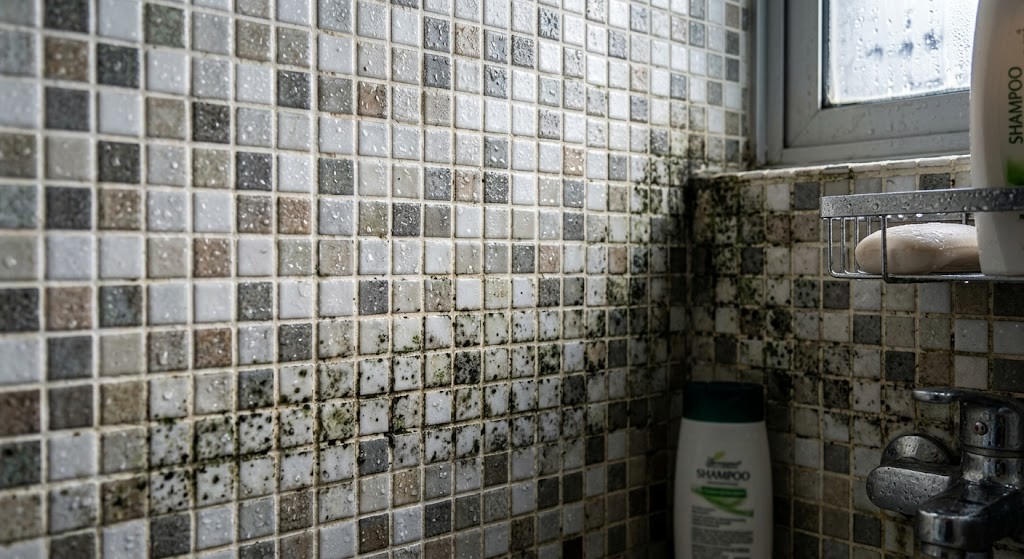
Visual inspection of any tiled surface reveals a consistent pattern: tile faces remain pristine while intervening lines progressively darken and degrade. This phenomenon traces to fundamental material differences rather than cleaning failures.
Porcelain and glass mosaic tiles present non-porous surfaces that actively repel water penetration. Their molecular structure denies moisture any absorption pathway, creating inherently resistant surfaces. Grout formulations tell a contrasting story—cement-based compositions contain extensive void networks that function as capillary channels, drawing moisture actively inward.
The mathematical impact intensifies dramatically with mosaic tiles. Standard large-format installations expose minimal grout surface area. Mosaic tiles reverse this proportion, presenting extensive linear footage of grout within equivalent coverage areas. This geometric expansion of absorbent surface area creates structural vulnerability in Singapore’s climate, where atmospheric humidity rarely permits complete material drying.
Strategic Material Selection
Marketplace offerings organize mosaic tiles into distinct moisture-resistance categories that should inform selection priorities.
Glass compositions provide optimal performance characteristics. Their manufacturing process creates impervious structures that water cannot penetrate regardless of exposure duration. Grout maintenance between glass elements remains necessary, but the tiles themselves provide permanent biological growth resistance.
Natural stone varieties—including marble, travertine, and similar materials—present the most demanding management requirements. Inherent porosity from geological formation demands immediate post-installation sealing and ongoing resealing throughout service life. Without this commitment, stone itself becomes a mold reservoir with internal colonization that surface treatments cannot address.
Ceramic mosaic tiles occupy intermediate positions. High-temperature firing achieves density approaching glass while maintaining cost accessibility. Selection should prioritize water absorption specifications, with premium products demonstrating rates below 0.5% indicating superior tropical bathroom suitability.
Decisive Grout Technology Choices
Renovation observation reveals persistent imbalance: intensive aesthetic attention to tile selection, minimal consideration of binding materials. This oversight proves costly in Singapore’s environment.
Epoxy grout technologies deliver decisive advantages for tropical applications. Unlike cement-based alternatives, epoxy systems cure into polymer solids that moisture cannot penetrate. Biological spores find no substrate for attachment or colonization. Elevated initial investment returns value through substantially reduced lifetime maintenance requirements.
Existing cement grout requires aggressive protective protocols. Penetrating sealers absorb into pore structures and solidify, creating internal moisture barriers. These protections degrade through normal wear, requiring annual renewal minimum in Singapore’s humidity. Water droplet testing provides maintenance guidance: surface beading indicates intact protection, immediate darkening signals resealing urgency.
Ventilation Engineering Priorities
Premium materials cannot compensate for inadequate atmospheric management. Even optimally sealed mosaic tiles will eventually fail without proper ventilation—particularly problematic in older HDB configurations lacking natural bathroom openings.
Exhaust fans serve as primary mechanical infrastructure, yet common operational patterns undermine effectiveness. Standard practice—activation during showering, deactivation upon exit—terminates protection when extended operation matters most. Steam continues rising from heated surfaces for significant periods post-use. Twenty-minute extended operation ensures complete moisture evacuation before condensation formation.
Available windows transform management through cross-ventilation acceleration. For fully enclosed condominium bathrooms, fan performance verification becomes essential maintenance. Dust accumulation and installation deficiencies frequently compromise actual exchange capacity. The critical metric is genuine atmospheric replacement, not internal circulation.
Optimized Daily Practices
Technological solutions require complementary behavioral patterns. The squeegee—positioned within shower reach—enables rapid wall treatment eliminating standing water accumulation. This thirty-second investment deprives mold of essential germination conditions. Conscious initial effort evolves into automatic patterns through repetition, preventing extensive remediation requirements.
Accessory management extends protective effectiveness. Shower curtains contacting wall surfaces create moisture retention requiring regular laundering. Bath mats trap dampness on undersides—suspension drying prevents floor-level accumulation spreading to vertical surfaces. These seemingly minor items significantly influence overall environmental outcomes.
Cleaning Protocol Preservation
Chemical selection demands strategic consideration. Chlorine bleach delivers immediate mold mortality but extracts deferred costs through grout degradation. Repeated exposure induces brittleness and structural failure, creating water infiltration pathways behind surfaces.
Oxygen-based alternatives and vinegar solutions provide gentler maintenance approaches. Persistent contamination responds to dedicated mold removers when followed by thorough rinsing. Critical safety protocol: never combine cleaning agents due to dangerous reaction potential.
Mechanical action quality equals chemical importance. Stiff-bristled brushes penetrate grout joints where microorganisms establish residence—soft materials address only superficial layers. Effective cleaning requires physical agitation dislodging embedded spores from porous depths.
Expert Consultation Necessity
Digital visualization proves insufficient for accurate material assessment. Showroom lighting diverges from residential conditions—grout appearing pristine under artificial illumination presents differently in actual contexts. Textural variations influence maintenance requirements significantly.
Personal inspection at a ceramic tile shop becomes essential. Direct examination reveals mounting characteristics: paper-backed sheets present installation challenges, while mesh substrates facilitate handling and superior grout penetration. These technical details profoundly influence long-term outcomes.
At your ceramic tile shop, pursue technical consultations. Request grout recommendations for specific mosaic tiles selections. Determine pre-sealing requirements for natural stone. Competent suppliers maintain comprehensive specifications and direct you toward proven wet-environment performers. Inadequate technical guidance indicates insufficient expertise requiring alternative sourcing.
Long-Term Maintenance Systems
Preventive approaches extend across installation lifetimes. Even epoxy-grouted configurations require periodic examination. Corner junctions demand scrutiny where restricted airflow creates accumulation zones.
Perimeter caulking around enclosures warrants attention. Grout at plane transitions proves inappropriate—structural settling induces cracking. Silicone formulations accommodate movement through flexibility. Darkened caulk indicates irremediable contamination requiring replacement rather than cleaning.
Synthesis and Implementation
Mosaic tiles successfully enhance Singapore bathrooms when approached with climate-appropriate respect. Their aesthetic contributions justify specialized attention requirements.
Success demands three commitments: moisture-impermeable material selection, genuine ventilation exchange assurance, and consistent surface-drying routine establishment. These obligations exceed large-format requirements, yet manageable implementation prevents recurring remediation cycles.
Treat your mosaic tiles with deserved specialized care, and your bathroom maintains installation-day freshness across extended timeframes.