
Building an ADU sounds simple when you first hear about it. Small unit, extra space, maybe some rental income. Done, right? Not really. The paperwork side of things can slow you down fast if you don’t know what you’re walking into. Most people underestimate that part. Somewhere along the way, they realize permits aren’t just a checkbox. They’re the whole process. If you’re working with an adu builder, they’ll usually help untangle it, but even then, it helps to know what’s actually happening behind the scenes.
What Counts as an ADU in the Eyes of the City
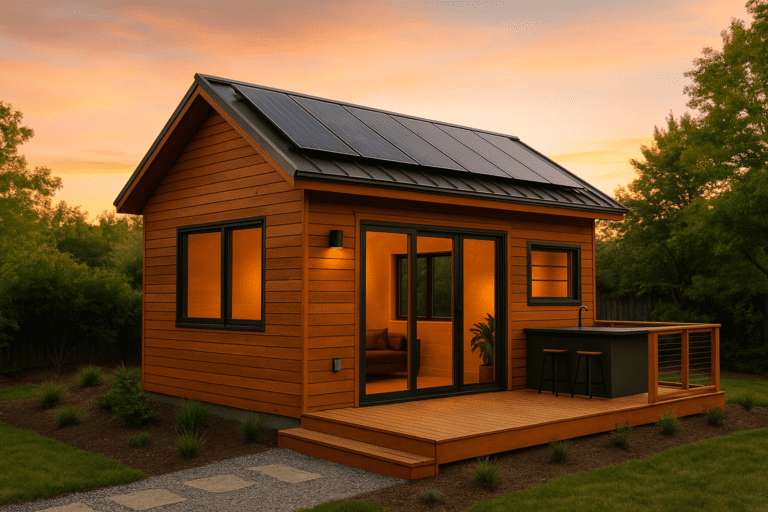
An ADU isn’t just “a small extra building.” That’s how homeowners think about it, but cities don’t. To them, it’s a fully functional living unit. That means sleeping space, kitchen, bathroom, utilities—all packed into one setup. And once you cross into that territory, you’re dealing with full residential rules. Doesn’t matter if it’s tucked behind your house or sitting above your garage. Detached, attached, converted basement—it all falls under similar regulations, just with slight differences that can catch you off guard. And yeah, those small differences? They matter more than they should.
Zoning Approval Comes First, No Way Around It
Before anything else, zoning decides if you’re even allowed to build an ADU. That’s step one. You can have money ready, plans drawn, contractor lined up—and still get stopped here. Some areas are ADU-friendly now, others… not so much. You’ll need to check things like lot size, property type, and local restrictions. Sometimes there are rules about how big the ADU can be compared to the main house. Sometimes parking requirements show up out of nowhere. It’s not always clear either. You might get a yes, but with conditions that force you to tweak your whole layout.
The Building Permit (This One Takes Time)
Once zoning clears, you move into the building permit. This is where things slow down. You’ll need proper drawings—real ones, not rough ideas. Floor plans, elevations, structural details. All of it gets reviewed. And yeah, expect feedback. Rarely does it get approved in one go. There’s usually a comment or two, sometimes more. You fix it, resubmit, wait again. It’s a cycle. Annoying, but normal. Even experienced people deal with this. No shortcuts here.
Separate Permits for Electrical, Plumbing, and HVAC
This part surprises people. You don’t just file one permit and move on. Electrical? Separate. Plumbing? Separate. Heating and cooling? Yep, another one. Each trade has its own requirements and inspections. It can feel a bit over the top, but that’s just how the system works. Especially if your ADU has a full kitchen or bathroom—which it probably does—you’re dealing with multiple layers of approvals whether you like it or not.
Grading Permits (The One People Forget About)
If your project involves changing the land even a little—digging, leveling, adjusting drainage—you might need a grading permit. This one sneaks up on people. They start moving soil around and don’t think twice about it. Then suddenly, it’s an issue. In some areas, it’s taken pretty seriously, especially if there’s any risk of water runoff or soil shifting. It’s not always required, but when it is, you don’t want to skip it.
Setbacks and Height Limits Can Change Your Plan Fast
You might have a great design in mind, something that fits perfectly in your head. Then setbacks come in and shrink it. Setbacks basically tell you how far your ADU needs to be from property lines, fences, other structures. Add height restrictions on top of that, and suddenly your plan looks different. Smaller. Lower. Maybe not exactly what you pictured. It’s frustrating, yeah, but it’s better to adjust early than halfway through construction.
HOA Rules and Local Restrictions (If You Have Them)
If your property has an HOA, you’ve got another step. Some are fine with ADUs, others aren’t. Or they allow them but want things done a certain way—specific designs, materials, sizes. It’s another approval layer you can’t ignore. Even outside HOAs, some neighborhoods have their own quiet rules that still carry weight. Not always obvious until you start digging into it.
Inspections Happen Throughout, Not Just at the End
A lot of people think inspections happen once, at the end. Not true. They happen throughout the build. Foundation, framing, electrical, plumbing—each stage gets checked. You pass, you move on. You fail, you fix it and try again. It slows things down if you’re not prepared. Timing matters here more than people expect. Miss an inspection window and you’re just… waiting.
Energy Codes and Efficiency Requirements (Getting Stricter Every Year)
This part has gotten tighter over time. Insulation standards, window specs, ventilation, sometimes even solar depending on where you are. These aren’t optional. Your plans need to show compliance before approval even happens. It can add cost, sure. But it also makes the space actually livable long-term. Still, it’s another thing to plan for upfront.
Why Experience Matters More Than You Think
You can try handling permits yourself. Some people do, and sometimes it works out fine. But it’s easy to miss something small that turns into a bigger delay. Someone who’s been through the process before—contractor, designer, whoever—usually knows the weak spots. The little details that don’t show up clearly on official checklists. Even teams like tiny home builders in Colorado deal with similar permit layers, and their process gives you a rough idea of how detailed this stuff can get, no matter where you’re building.
Conclusion
Permits aren’t exciting. No one gets into a project thinking, “can’t wait to deal with paperwork.” But they’re a big part of building an ADU, whether you like it or not. Skip something, rush something, assume something—and it usually comes back later in a way you don’t want. Delays, fines, rework. The whole thing. Best move is simple: take your time with it. Ask questions when something feels unclear. And don’t assume the process is quicker than it is. It rarely is.