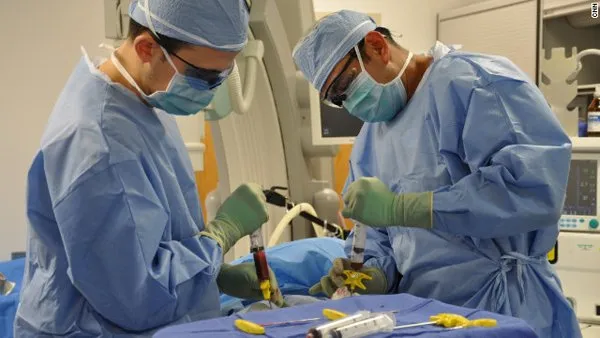
Bone Marrow Transplant
Blood cancers such as leukemia and lymphoma affect how the body produces and uses blood cells. These conditions often start in the bone marrow, where blood cells are formed. When standard treatments are not enough, doctors may recommend a bone marrow transplant as a key part of treatment.
This procedure replaces damaged or diseased bone marrow with healthy stem cells. It helps restore the body’s ability to produce normal blood cells and improves long-term survival in many cases.
What Is a Bone Marrow Transplant?
A bone marrow transplant is a medical procedure that replaces unhealthy bone marrow with healthy stem cells. These stem cells can come from the patient or a donor.
There are two main types:
- Autologous transplant: Uses the patient’s own stem cells
- Allogeneic transplant: Uses stem cells from a donor
Doctors choose the type based on the patient’s condition, age, and overall health.
How It Helps in Leukemia and Lymphoma
In leukemia and lymphoma, abnormal cells grow rapidly and crowd out healthy blood cells. A bone marrow transplant for leukemia works by clearing these abnormal cells and rebuilding the immune system.
Before the transplant, patients receive high-dose chemotherapy or radiation. This step destroys cancer cells and prepares the body for new stem cells. Once the healthy cells are infused, they begin producing new blood cells.
This process helps:
- Restore normal blood cell production
- Reduce the risk of relapse
- Strengthen the immune system
Who Needs This Treatment?
Not every patient requires a transplant. Doctors recommend it based on several factors:
- Type and stage of cancer
- Response to chemotherapy
- Risk of recurrence
- Overall health and age
Among various blood cancer treatment options, transplant is often used for patients with aggressive or relapsed disease.
Step-by-Step Treatment Process
Understanding the process helps patients prepare better.
1. Evaluation and Testing
Doctors assess the patient’s condition through blood tests, imaging, and organ function checks.
2. Donor Matching (If Needed)
For allogeneic transplants, doctors search for a compatible donor. A close match reduces complications.
3. Conditioning Therapy
High-dose chemotherapy or radiation is given to remove cancer cells and suppress the immune system.
4. Stem Cell Infusion
Healthy stem cells are infused into the bloodstream, similar to a blood transfusion.
5. Recovery and Monitoring
The body begins producing new blood cells. Patients are closely monitored for infections and complications.
Benefits of Bone Marrow Transplant
A bone marrow transplant offers several advantages for patients with blood cancer:
- Potential for long-term remission
- Improved survival rates
- Replacement of damaged bone marrow
- Stronger immune response against cancer cells
In many cases, it provides a chance for complete recovery when other treatments fail.
Risks and Side Effects
Like any major procedure, a transplant carries risks. These include:
- Infection due to low immunity
- Graft-versus-host disease (in donor transplants)
- Fatigue and weakness
- Organ-related complications
Doctors manage these risks through medications and close monitoring. Choosing an experienced medical team improves safety and outcomes.
Recovery After Transplant
Recovery takes time and varies for each patient. The first few weeks are critical, as the immune system is still weak.
Patients need:
- Regular follow-up visits
- Balanced nutrition
- Infection prevention measures
- Emotional and physical support
Full recovery may take several months, but many patients return to normal life with proper care.
Why Choose Mycurepathway
Mycurepathway connects patients with leading hospitals and specialists for advanced treatments. The platform offers guidance at every step, from diagnosis to post-treatment care.
With access to experienced doctors and modern facilities, patients receive personalized treatment plans that improve outcomes.
Build the Right Treatment Plan Today
Choosing the right treatment can make a significant difference in recovery. A bone marrow transplant remains one of the most effective solutions for certain blood cancers when guided by experienced professionals.
Looking for expert support?
Connect with Mycurepathway to explore the best treatment options for leukemia and lymphoma. Get assistance with hospital selection, doctor consultations, and complete care planning.
Start your treatment journey with confidence today.
FAQs
1. What is the success rate of bone marrow transplant?
Success rates depend on the type of cancer, patient health, and donor match. Many patients achieve long-term remission.
2. Is bone marrow transplant painful?
The procedure itself is not painful, but patients may feel discomfort during recovery and treatment.
3. How long does recovery take after transplant?
Initial recovery takes a few weeks, while full recovery may take several months.
4. Who can be a donor for bone marrow transplant?
A matched sibling is the best option, but unrelated donors can also be suitable if they match closely.
5. What are the risks of bone marrow transplant?
Common risks include infection, graft-versus-host disease, and temporary side effects from treatment.