Construction Site Plan Guide: From Basics to Approval
A well-prepared site plan is the foundation of any successful construction or property development project. Whether you are building a new home, planning an extension, or working on a commercial development, a properly designed site plan helps ensure everything moves forward without unnecessary delays or costly mistakes. It acts as a clear visual guide for everyone involved, from designers to local authorities. In this comprehensive guide, you will learn what a site plan is, how to get a site plan, and understand the key differences between a site plan vs plot plan. With the right knowledge, you can approach your project with confidence and clarity.


What Is a Site Plan?

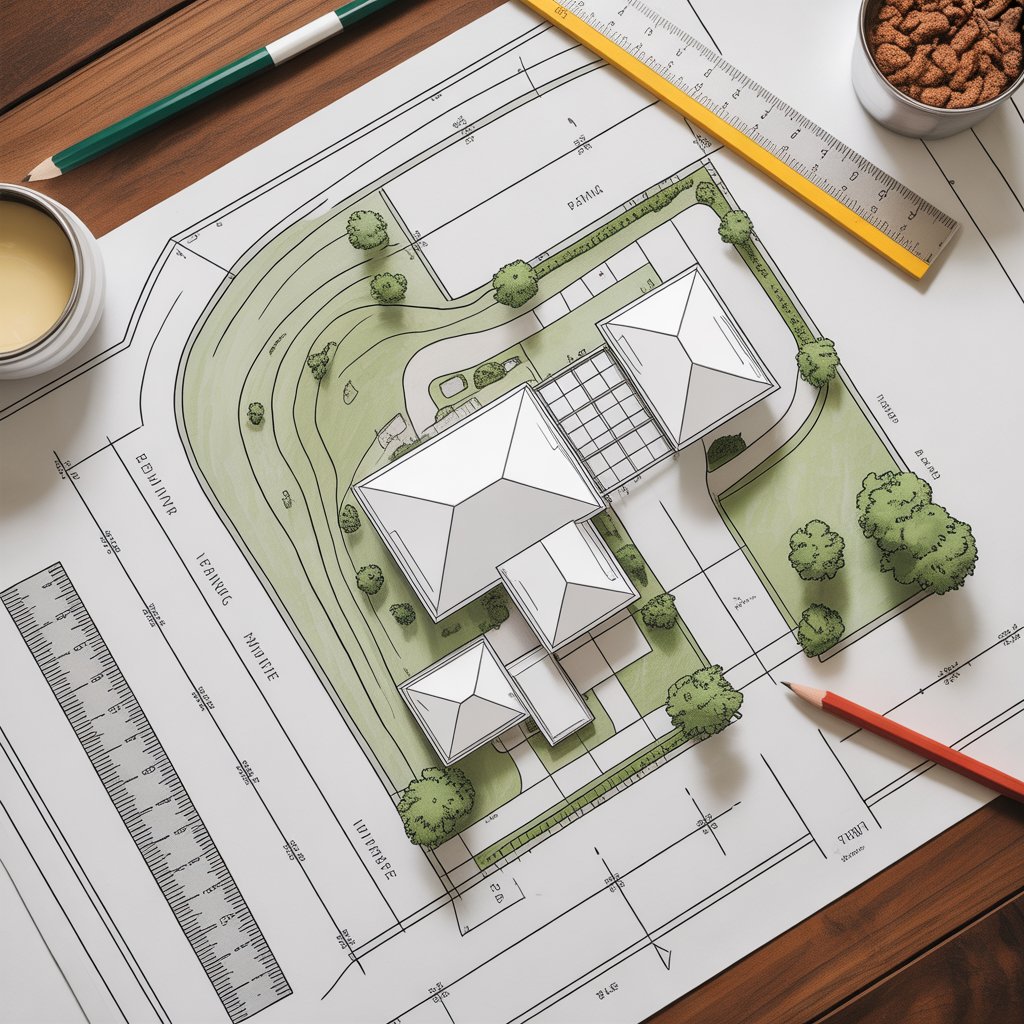
A site plan is a detailed, scaled drawing that represents a property from a top-down perspective. It shows both existing and proposed features, helping to illustrate how a piece of land will be used. A typical site plan includes structures, property boundaries, driveways, landscaping, and utility connections. This type of drawing is essential because it provides a complete overview of how all elements on a property relate to each other. It ensures that construction is organized and aligned with design goals, making it easier to avoid confusion during the building process.

Why a Site Plan Is Essential

A site plan plays a critical role in every stage of a construction project. One of its primary purposes is to support legal and permit approvals. Local authorities rely on site plans to verify that a project complies with zoning regulations, building codes, and safety requirements. Without an accurate site plan, approvals can be delayed or denied altogether. Beyond legal requirements, a site plan improves overall planning accuracy. It allows builders and designers to position structures correctly and identify potential challenges before construction begins. This level of preparation reduces the risk of errors that could otherwise lead to expensive revisions. Another important benefit is improved communication. A site plan provides a shared reference for architects, contractors, and property owners. Everyone can clearly understand the layout and expectations, which helps prevent misunderstandings and keeps the project on track.

How to Get a Site Plan

If you are planning a project, knowing how to get a site plan is an important first step. There are several ways to obtain one, depending on your needs and budget. One common approach is to hire a professional such as an architect, surveyor, or drafting expert. This option offers the highest level of accuracy and ensures your site plan meets all regulatory standards. It is especially recommended for complex or large-scale projects. Another option is to use online site plan services. These modern tools have made it easier than ever to get a site plan quickly and affordably. Many platforms use satellite imagery and property data to create detailed and professional layouts that are suitable for permit applications. In some cases, you may already have access to a site plan through local municipal records or previous property documents. Checking existing records can save time and effort if a recent plan is available. While it is possible to create a basic site plan yourself using design software, this approach is generally not suitable for official submissions. Most authorities require professionally prepared drawings to ensure accuracy and compliance.

Site Plan vs Plot Plan: Understanding the Difference

The terms site plan vs plot plan are often used interchangeably, but they refer to different types of drawings. Understanding this distinction is important when planning your project. A plot plan is typically a simpler drawing that shows the basic layout of a property. It focuses on property boundaries, existing structures, and general dimensions. Plot plans are often used during the early stages of planning or for smaller projects where detailed information is not required. In contrast, a site plan provides a much more detailed and comprehensive view. It includes not only the existing features of a property but also proposed changes, landscaping, drainage systems, and utility connections. A site plan also highlights zoning requirements and setback distances, making it essential for permit approvals. The key difference lies in the level of detail and purpose. A plot plan offers a basic overview, while a site plan is a complete and detailed document used for construction and regulatory processes.

Key Elements of a High-Quality Site Plan

A high-quality site plan is defined by its accuracy, clarity, and completeness. Every measurement must be precise to ensure compliance with local regulations. Even small inaccuracies can lead to significant issues during construction or approval stages. Clear labeling is another essential feature. Each element on the plan should be easy to identify, including buildings, pathways, and utility lines. This clarity helps all stakeholders understand the layout without confusion. Scale and orientation also play a crucial role. A proper scale ensures that distances and dimensions are represented accurately, while a north arrow helps readers interpret the plan correctly. Setbacks and property boundaries must be clearly indicated, as they determine where structures can legally be placed. Additionally, utility information such as water, electricity, and drainage systems should be included to support functional planning.

Common Mistakes to Avoid

Creating a site plan requires attention to detail, and overlooking important aspects can lead to delays or rejections. One common mistake is using incorrect measurements, which can result in non-compliance with local regulations. Another issue is missing critical details such as utility lines or setback distances. These omissions can cause authorities to reject the plan, requiring revisions and resubmissions. Poor scaling is also a frequent problem, making the plan difficult to read and interpret. Ignoring local building codes and regulations can create serious complications. Each region has specific requirements, and failing to meet them can halt your project. Using outdated data is another risk, as property conditions and regulations may change over time.

Benefits of Using Online Site Plan Tools

Online site plan tools have transformed the way people approach property planning. These platforms offer a faster and more convenient way to create professional site plans without the need for extensive technical expertise. One of the main advantages is speed. You can generate a site plan in a fraction of the time compared to traditional methods. This is particularly useful when working under tight deadlines. Cost efficiency is another benefit. Online services are often more affordable than hiring professionals, making them a practical choice for homeowners and small developers. Ease of use is also a key factor. Many platforms are designed with user-friendly interfaces that guide you through the process step by step. This makes it accessible even for those with limited experience.

Final Thoughts

A site plan is far more than a simple drawing. It is a critical tool that supports every stage of a construction or property project, from initial planning to final execution. By understanding how to get a site plan and recognizing the differences between a site plan vs plot plan, you can make informed decisions that improve efficiency and reduce risk. Whether you choose to work with a professional or use an online service, investing in a detailed and accurate site plan will set the foundation for a successful project. With proper planning and the right approach, you can move forward with confidence and achieve your construction goals smoothly.

Leave a Reply

Your email address will not be published. Required fields are marked *